
Please Choose Your Language


Views: 0 Author: Site Editor Publish Time: 2026-10-03 Origin: Site


Staring at a brightly colored bag in the garden center aisle can feel like trying to decipher a secret code. Those bold 10-10-10 or 24-4-8 digits printed on the front leave countless gardeners and commercial growers second-guessing their choices. Guessing often leads to ruined soil biology, wasted capital, and stunted plant growth. Whether you are attempting to revive a patchy lawn or hoping to cultivate massive tomatoes, choosing the ideal product begins with decoding that label.
In this comprehensive guide, you will learn exactly what these mysterious numbers mean. We will navigate the nuances of macronutrients so you can confidently select the right agricultural product for your unique landscape.
Walking onto a commercial field or managing a high-yield greenhouse, the first thing you evaluate is the soil amendment strategy. Every single bag, bottle, or box features a sequence of three numbers separated by dashes, such as 24-4-8 or 5-10-5. This universal standard is mandated by agricultural regulatory bodies worldwide. You must look at these digits as a guaranteed analysis of the product's macronutrient content.
These numbers represent the percentage by weight of the three primary macronutrients that plants need to survive and thrive. For example, if you purchase a 50-pound bag labeled 10-10-10, it means that 10 percent of the total weight is actual Nitrogen, 10 percent is actual Phosphorus, and 10 percent is actual Potassium.
Consequently, you might logically ask what exactly is in the remaining 70 percent of the bag. The rest of the product consists of inert carrier materials or fillers.
These carriers often include granular limestone, sand, clay, or sterilized biosolids. While the word filler sounds negative, these materials are absolutely essential for safe and effective application. Pure nitrogen or phosphorus would be far too concentrated and would cause severe chemical burns on your plant roots and foliage. The carrier material dilutes the active chemicals to safe levels, makes the granules large enough to flow smoothly through a mechanical spreader, and helps distribute the nutrition evenly across your soil.
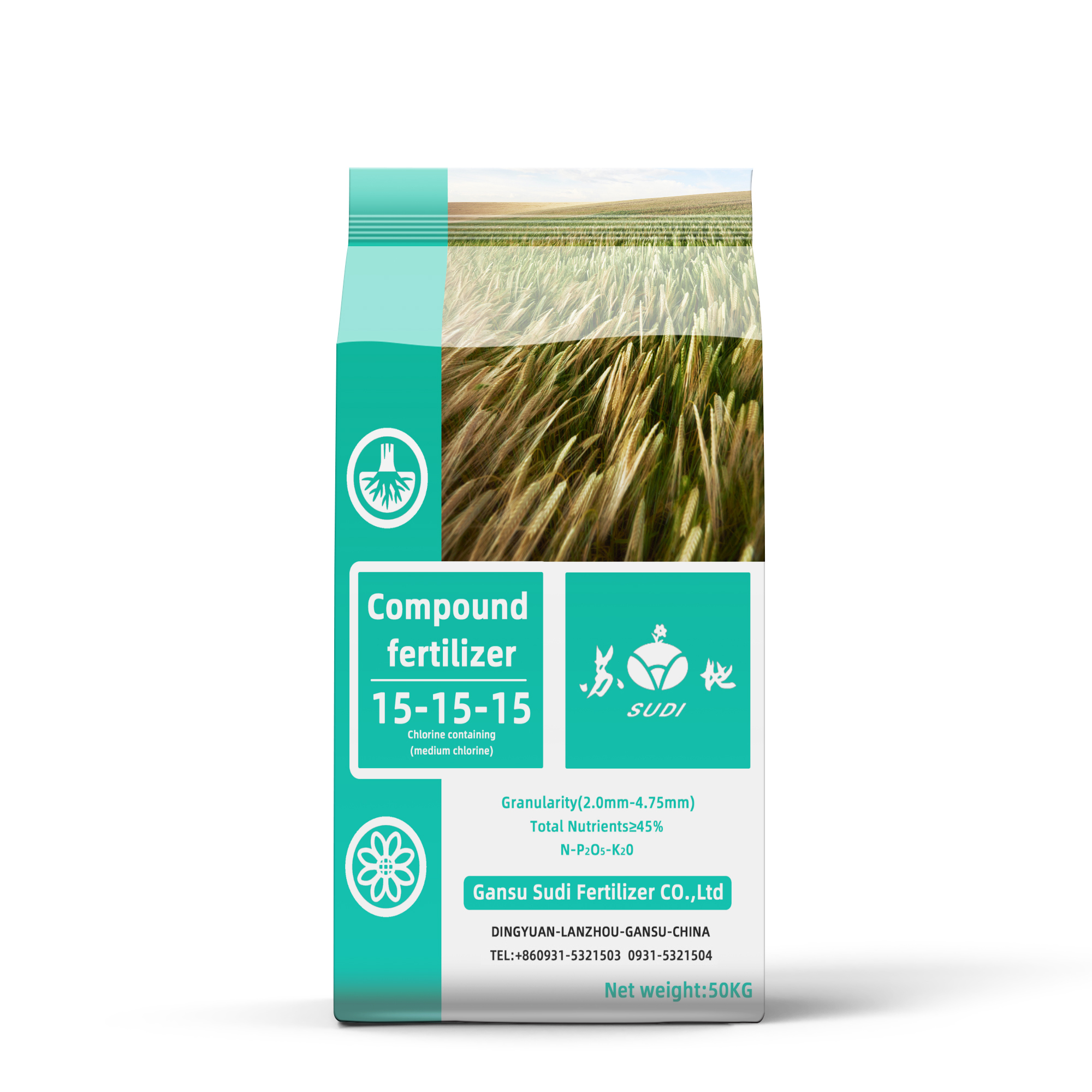
Now that the baseline percentages are clear, it is crucial to understand the biological role of each element in an NPK Fertilizer to make an informed purchasing decision. Plants require these three macronutrients in larger quantities than any other minerals found in the earth.
Nitrogen is the first number in the sequence and is arguably the most critical nutrient for visible vegetative growth. Biologically, nitrogen is a fundamental component of chlorophyll, which is the green pigment responsible for photosynthesis. It also serves as a building block for amino acids that form the proteins necessary for plant cell division.
When a plant has adequate nitrogen, it produces lush foliage and grows rapidly. High-nitrogen formulas are best suited for turfgrass, leafy vegetables like lettuce, and the early vegetative growth stages of almost all crops. Conversely, a nitrogen deficiency usually presents as chlorosis, which is a generalized yellowing of older leaves.
The second number represents Phosphorus. In plant biology, phosphorus is critical for capturing and converting the sun's energy into useful plant compounds. It acts as a key component of adenosine triphosphate, the primary energy unit of the plant.
Phosphorus directs this energy toward structural development. It specifically stimulates deep root growth, seed formation, and the production of fruits and flowers. Products with a high middle number are often marketed as bloom boosters or starter fertilizers. They are ideal for newly planted seeds, transplanting shrubs, and fruiting plants like tomatoes during their flowering stage.
The third number is Potassium, frequently referred to as potash in agricultural circles. Potassium acts similarly to a plant immune system. It regulates the opening and closing of leaf stomata to control water usage and prevent wilting during droughts. Furthermore, it activates dozens of enzymes responsible for cellular growth.
Adequate potassium thickens plant cell walls and makes the vegetation more resilient to cold weather, heat stress, and pest infestations. Formulas with a high third number are frequently used for winterizing lawns, aiding stress recovery after harsh weather, and ensuring the overall hardiness of perennial plants.
When shopping for soil amendments, you will frequently encounter terms that describe how the nutrients are mixed and presented. Choosing the right format is just as important as selecting the right numbers.
A Balanced Fertilizer is a product where the nutrient numbers are identical, such as 10-10-10 or 20-20-20. Because it provides an equal ratio of foliage, root, and immunity support, it is widely considered an excellent all-purpose choice.
If you are maintaining a mixed garden bed with flowers, shrubs, and vegetables without access to a recent soil test, a balanced formula is a prudent choice. It ensures that you are not creating a severe nutrient imbalance in the soil while providing a baseline of nutrition that most plants can utilize effectively.
While a balanced product refers to the ratio, a Compound Fertilizer refers to the manufacturing process. A compound product is chemically processed so that two or more of the primary macronutrients are combined into a single, uniform granule.
This manufacturing method is highly beneficial for the buyer. In a standard mechanical blend, the varying weights of individual nutrient pellets can cause them to settle unevenly in the bag or spread unevenly across a field. With a compound product, every single pellet contains the exact stated nutrient ratio. This guarantees a perfectly uniform distribution of nutrients and ensures that no plant is overfed with nitrogen while being starved of phosphorus.
| Formulation Type | Nutrient Distribution | Best Application Scenario | Cost Efficiency |
|---|---|---|---|
| Mechanical Blend | Variable per handful | General broad-acre farming | Highly economical upfront |
| Compound Granules | 100 percent Uniform | Precision agriculture, sensitive crops | High long-term ROI |
| Slow-Release Organic | Gradual breakdown | Soil conditioning, sustainable farming | Improves soil health over time |
Understanding the label transforms you from a passive consumer into an informed buyer. To truly evaluate the cost-effectiveness of a product, you must be able to calculate the exact weight of the active nutrients inside the bag. This allows you to compare the true value of different brands.
Because the numbers represent a percentage of the total weight, calculating the actual nutrient volume requires simple multiplication. You convert the percentage on the label into a decimal and multiply it by the total weight of the bag.
Let us assume you are evaluating a 40-pound bag of turf fertilizer with a ratio of 16-4-8. You multiply the 40 pounds by 0.16 to get 6.4 pounds of actual Nitrogen. You multiply by 0.04 to get 1.6 pounds of actual Phosphorus. Finally, you multiply by 0.08 to find 3.2 pounds of actual Potassium. Out of the 40-pound bag, you are purchasing exactly 11.2 pounds of active nutrients. The remaining 28.8 pounds are the inert carriers required for spreading.
This calculation is a critical tool for agricultural economics. Imagine Brand A sells a 40-pound bag of 10-10-10 for twenty dollars, and Brand B sells a 40-pound bag of 20-20-20 for thirty dollars. While Brand A is cheaper upfront, Brand B contains exactly twice the amount of actual nutrients. By calculating the actual nutrient weight, you realize that Brand B is significantly more cost-effective per pound of plant food.
Applying a generic formula to every plant in your yard is a common field mistake. Different plants have vastly different biological priorities depending on their growth stage. Selecting the right ratio ensures you are supporting the natural metabolic cycle rather than fighting against it.
Turfgrass is unique because the primary goal is to grow dense green leaves rather than flowers or deep taproots. Lawn fertilizers typically feature a very high first number, a low or zero middle number, and a moderate third number. Common ratios include 27-3-8 or 30-0-4.
Vegetable gardens require a delicate balance. If you apply a high-nitrogen lawn formulation to a tomato plant, the plant will utilize that nitrogen to grow massive green leaves and thick stems but will produce very few actual tomatoes. Fruiting plants need lower nitrogen and higher amounts of phosphorus and potassium to direct their energy into crop production. Ratios like 5-10-10 are highly effective for tomatoes, peppers, and root crops.
For commercial growers needing sustained feeding across diverse crops, utilizing a stabilized formula like an NPK 15-15-15 chlorine-based slow-release product ensures continuous nutrient availability. This specific parameter prevents rapid leaching during heavy rains and provides a steady baseline of nutrition for staple agricultural yields.
Analyzing recent agricultural data reveals a fascinating shift in how commercial growers and residential gardeners approach soil nutrition. Historically, buyers gravitated toward the highest nutrient concentrations available on the shelf, assuming more chemicals equated to better yields. Today, the industry is witnessing a massive pivot toward precision agriculture and ecological stewardship.
Specifically, commercial growers are meticulously scrutinizing labels to minimize their environmental footprint. There is a surging demand for zero-phosphorus maintenance blends due to heightened awareness of aquatic runoff and harmful algal blooms in local waterways. Furthermore, modern consumers actively seek out slow-release organic alternatives and specialized compound formulations rather than relying on outdated synthetic applications. This evolving landscape underscores a broader market demand for scientifically backed agronomic practices that prioritize long-term soil structure over rapid, unsustainable growth.
Even armed with a solid grasp of nutrient ratios, buyers frequently make critical application errors that cost money and damage crops. Avoid these empirical pitfalls when analyzing labels and applying products.
More is not always better in agronomy. Purchasing a highly concentrated product like pure Urea without understanding application rates can be disastrous. High concentrations of chemical salts can reverse the osmotic process in the soil and literally suck water out of the plant roots. This results in severe fertilizer burn that turns your plants brown and brittle. Always follow the precise calibration rates provided by the manufacturer.
Guessing your soil deficiency based on visual symptoms alone is a gamble you will likely lose. Applying a general balanced blend when your soil already possesses toxic levels of phosphorus is a waste of your budget and harmful to the environment. A scientific soil test removes the guesswork and tells you exactly what numbers are missing.
While Nitrogen, Phosphorus, and Potassium are the stars of the label, they are not the only elements required for biological success. Plants also need secondary macronutrients like Calcium to prevent blossom end rot, alongside trace micronutrients like Iron and Zinc. Always check the back of the label to see if the manufacturer has included a robust profile of these vital secondary elements.
Knowing what the numbers on the bag mean helps you buy the exact right plant food for your specific agricultural goals. This foundational knowledge saves you money, boosts your crop yield, and protects the local environment from unnecessary chemical runoff.
Always remember the simple rule for nutrient ratios: Nitrogen is for the top foliage, phosphorus helps the root system, and potassium keeps the entire plant healthy all year long. By testing your soil and reading labels carefully, you ensure your next growing season will be your most successful one yet.
Ready to optimize your crop yield with precision nutrition? Explore the professional-grade solutions at Sudi Fertilizer to find the exact compound formulation, organic blend, or custom NPK ratio tailored to your soil's unique demands today.
It is a balanced formula containing 10 percent Nitrogen, 10 percent Phosphorus, and 10 percent Potassium by total weight. Because it provides an equal ratio of the three primary macronutrients, it is widely utilized as a reliable all-purpose feed for general garden maintenance, shrubs, and trees when a specific soil test is not available.
Using an incorrect ratio can disrupt a plant's biological development. For instance, applying a high-nitrogen lawn formulation to fruiting plants like tomatoes will force the plant to expend all its energy on vegetative leaf growth, resulting in massive green plants that produce zero fruit. Furthermore, applying excessively high concentrations of any nutrient can cause osmotic stress, burning the root system and ultimately killing the plant.
Yes, the standardized numbering system is universal across all forms of plant food, denoting the percentage of nutrients by weight. However, the delivery mechanisms differ greatly. Liquid options are water-soluble, providing immediate but short-lived nutrient uptake that requires frequent reapplication. Granular options are typically designed to release nutrients slowly over weeks or months to provide sustained feeding.
A zero indicates that the specific macronutrient is completely absent from the formulation. In a 24-0-4 blend, the product contains 24 percent Nitrogen, 0 percent Phosphorus, and 4 percent Potassium. Zero-phosphorus blends are highly common in modern lawn care to comply with environmental regulations, as established turfgrass requires little phosphorus, and excess amounts contribute heavily to toxic runoff in local waterways.
It is highly discouraged to use lawn formulations on vegetable gardens. Lawn products are engineered with extremely high nitrogen levels to promote rapid grass blade growth. If applied to vegetables, this high nitrogen content will cause the plants to grow excessive foliage at the expense of producing actual vegetables. Additionally, many commercial lawn products contain chemical weed killers that can contaminate or kill food crops.
Application frequency depends entirely on the formulation type and the specific crop. Fast-acting liquid feeds may need to be applied every two to four weeks during the active growing season. In contrast, slow-release granular compounds or organic blends typically only require application once every three to six months. Always reference your soil test results and the manufacturer guidelines to establish a proper feeding schedule.

