
Please Choose Your Language


Views: 0 Author: Site Editor Publish Time: 2025-10-28 Origin: Site


Are your plants struggling to thrive? The answer might lie in the type of fertilizer you use. Organic fertilizers, derived from natural sources, offer a sustainable solution to nourish your garden and enhance soil health. Unlike synthetic options, organic fertilizers improve the ecosystem, supporting plant growth naturally. In this post, you'll learn about various organic fertilizers, their benefits, and how to choose the right one for your garden.
Organic fertilizers come from natural sources and provide nutrients to plants while improving soil health. Here are some common types:
Compost is decomposed organic matter like leaves, vegetable scraps, and kitchen waste. It enriches soil by adding nutrients and organic matter. Compost helps soil retain moisture, supports beneficial microbes, and slowly releases nutrients to plants. It can be homemade or purchased, but should be fully decomposed to avoid harming plants.
Manure is animal waste from herbivores such as cows, horses, chickens, goats, or rabbits. It’s rich in nutrients but must be aged or composted before use to prevent burning plants and reduce pathogens. Different manures vary in nutrient content: chicken manure has high nitrogen, while cow manure is milder. Manure improves soil structure and adds organic matter.
Bone meal is ground animal bones, rich in phosphorus and calcium. It supports root development, flowering, and fruiting. Phosphorus in bone meal becomes available slowly as soil microbes break it down. Best used in soils with a pH between 6.0 and 7.0 for optimal phosphorus uptake.
Blood meal is dried animal blood, offering a fast nitrogen boost. It’s excellent for leafy plants needing rapid growth. Use carefully, as too much can burn plants due to high ammonia content. It releases nitrogen over two to six weeks.
Fish emulsion is a liquid fertilizer made from processed fish parts. It provides nitrogen, phosphorus, and potassium in moderate amounts. It’s quick-acting and often used as a foliar spray or soil drench. Though it may have a strong odor, it supplies trace nutrients and vitamins beneficial to plants.
Seaweed fertilizers come from marine plants, available as mulch, liquid sprays, or granules. Kelp meal is dried and ground kelp, rich in potassium and trace minerals. These fertilizers promote disease resistance, improve soil health, and stimulate plant growth hormones. Nutrient release is slower but steady.
Organic fertilizers offer many advantages beyond just feeding plants. They improve soil health and support sustainable gardening. Here’s a closer look at their key benefits:
Organic fertilizers add organic matter to soil, which improves its texture and structure. This helps soil particles bind into aggregates, creating a crumbly, loose texture. Such soil drains better and allows roots to grow easily. Over time, organic matter builds up, turning poor or compacted soil into fertile ground. This structure also prevents erosion and nutrient runoff.
Good soil structure from organic matter boosts water infiltration and retention. Water moves through soil more evenly, reducing puddles and dry spots. It also holds moisture longer, so plants get steady hydration between watering or rain. This benefit is critical in drought-prone areas or sandy soils that usually drain too quickly.
Organic fertilizers feed not only plants but also soil microbes like bacteria and fungi. These tiny organisms break down organic matter, releasing nutrients slowly in forms plants can absorb. They also help form symbiotic relationships with roots, improving nutrient uptake and plant health. A thriving microbial community increases soil fertility naturally and suppresses harmful pathogens.
Organic fertilizers come from natural sources and break down slowly, reducing the risk of nutrient leaching into waterways. Unlike synthetic fertilizers, they don’t cause chemical buildup or soil acidification. Using organic fertilizers helps maintain biodiversity in soil and surrounding ecosystems. They also reduce dependence on fossil fuel-based products, making gardening more sustainable.
Selecting the right organic fertilizer is key to healthy plants and soil. It’s not just about picking something off the shelf; understanding your garden’s needs helps you make the best choice. Here are the main factors to consider:
Every fertilizer label shows three numbers called the N-P-K ratio. These stand for Nitrogen (N), Phosphorus (P), and Potassium (K):
● Nitrogen (N) helps leaves grow green and lush.
● Phosphorus (P) supports root growth and flowering.
● Potassium (K) strengthens plants and improves disease resistance.
For example, a fertilizer labeled 5-10-5 has 5% nitrogen, 10% phosphorus, and 5% potassium. Organic fertilizers usually have lower numbers than synthetic ones, but they release nutrients slowly and improve soil health over time.
Knowing these numbers helps you match fertilizer nutrients to your plants’ needs. Leafy greens need more nitrogen, while root crops may require more phosphorus.
Before adding fertilizer, test your soil. Soil testing reveals:
● Nutrient levels (N, P, K, and others)
● Soil pH (acidity or alkalinity)
● Organic matter content
You can buy soil test kits or send samples to local extension services. Testing prevents over-fertilizing, which can harm plants or pollute water. It also shows which nutrients your soil lacks, so you can choose a fertilizer that fills those gaps.
For instance, if your soil is low in phosphorus, bone meal or rock phosphate might be good choices. If nitrogen is low, blood meal or composted manure can help.
Different plants have different nutrient demands. Here’s how to match fertilizer to plant types:
● Heavy feeders like tomatoes, corn, and broccoli need more nutrients and frequent feeding.
● Light feeders like carrots and herbs require fewer nutrients.
● Flowering plants benefit from phosphorus-rich fertilizers to boost blooms.
● Leafy greens thrive with nitrogen-rich fertilizers for lush foliage.
Also, consider the plant’s growth stage. Young seedlings need gentle feeding, while mature plants may need more nutrients.
● Organic fertilizers release nutrients slowly, so apply them before planting or early in the growing season.
● Some organic fertilizers, like manure, must be well-composted to avoid burning plants.
● Pay attention to soil pH; some nutrients become unavailable if the soil is too acidic or alkaline.
By understanding N-P-K ratios, testing soil, and knowing your plants’ needs, you can choose an organic fertilizer that nourishes both plants and soil effectively.
Tip: Always start with a soil test to select an organic fertilizer that precisely matches your garden’s nutrient needs, saving money and protecting the environment.
Applying organic fertilizers correctly ensures plants get the nutrients they need without harming soil or roots. Here are some key tips:
● Incorporate into Soil: Mix granular or solid organic fertilizers like compost, manure, or bone meal into the top few inches of soil. This helps nutrients reach roots and encourages microbial activity.
● Avoid Direct Contact: Don’t pile fertilizer directly against plant stems or roots. This can cause burning or damage.
● Use Liquid Fertilizers Wisely: Liquid forms such as fish emulsion or seaweed extracts should be diluted according to instructions. Apply as soil drench or foliar spray early morning or late afternoon to reduce leaf burn.
● Water After Application: Watering helps dissolve nutrients and moves them into root zones. It also activates microbes that break down organic matter.
● Apply in Cool Weather: Fertilize during cooler parts of the day or season to prevent nutrient loss and stress on plants.
Organic fertilizers release nutrients slowly, so timing differs from synthetic options:
● Pre-Planting: Apply compost, manure, or bone meal a few weeks before planting. This gives microbes time to break down nutrients.
● Growing Season: Liquid fertilizers or fast-acting options like blood meal can be applied every 3-4 weeks to support rapid growth phases.
● Heavy Feeders: Crops like tomatoes, corn, and broccoli may need more frequent feeding, especially during flowering and fruiting.
● Light Feeders: Herbs or root vegetables require less frequent fertilizing, often once or twice per season.
Adjust frequency based on plant response, soil tests, and weather conditions.
Organic fertilizers offer many benefits but can present challenges:
● Slow Nutrient Release: Nutrients depend on microbial activity, which slows in cold or dry soil. Solution: Apply early and add compost to boost microbes.
● Variable Nutrient Content: Organic materials vary in nutrient levels. Solution: Test soil regularly and adjust applications accordingly.
● Odors: Some fertilizers like fish emulsion or manure can smell strong. Solution: Use well-aged materials and apply when wind carries odors away from living areas.
● Weed Seeds and Pathogens: Raw manure may contain weed seeds or pathogens. Solution: Use only composted or properly aged manure.
● Over-application Risks: Excess fertilizer can harm plants or cause nutrient runoff. Solution: Follow recommended rates and test soil to avoid overfeeding.
By following best practices and adjusting for these challenges, you can maximize organic fertilizer benefits while protecting your garden and environment.
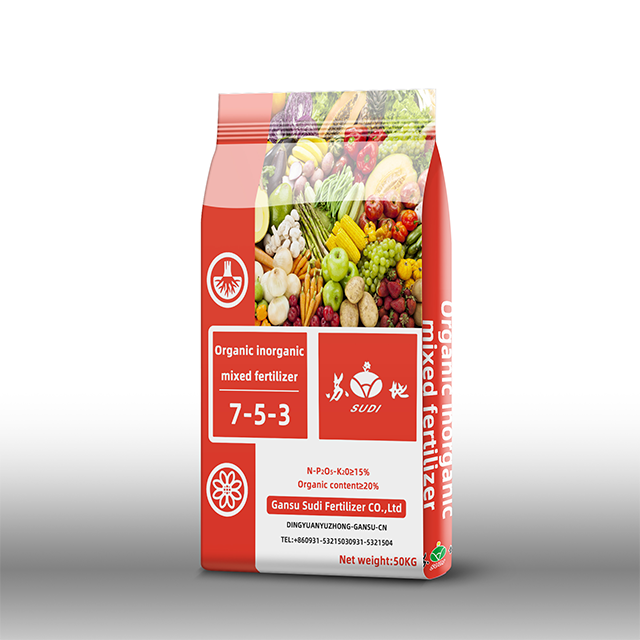
Organic fertilizers often face skepticism due to some widespread myths. Let’s clear up three common misconceptions to help you understand their true value.
Many believe organic fertilizers don’t work as well as synthetic ones. It’s true organic fertilizers release nutrients more slowly. They depend on soil microbes to break down materials before plants absorb nutrients. This can mean results take longer compared to synthetic fertilizers, which deliver nutrients instantly.
However, organic fertilizers improve soil health over time. They build organic matter, enhance microbial life, and improve soil structure. These benefits lead to stronger, healthier plants in the long run. Synthetic fertilizers may provide a quick nutrient boost but don’t improve soil quality. So, organic fertilizers are effective, just in a different, more sustainable way.
Upfront costs of organic fertilizers can be higher than synthetic options. Manure, compost, and specialized products like bone meal often cost more per pound of nutrient. This fuels the idea organic fertilizers are too expensive for regular use.
But consider the bigger picture. Organic fertilizers improve soil fertility and reduce the need for frequent applications. They lower risks of nutrient runoff and pollution, saving money on soil amendments and environmental cleanup. Plus, many gardeners make their own compost or use free manure, cutting costs drastically.
Over time, organic fertilizers can be more cost-effective by building healthy soil that supports vigorous plant growth without heavy chemical inputs.
Some worry organic fertilizers might damage plants. This concern often comes from using fresh manure or applying too much fertilizer at once. Fresh manure can be "hot," containing excess salts or pathogens, which may burn plants or introduce diseases.
Properly composted or aged organic fertilizers are safe and beneficial. Over-application, whether organic or synthetic, can harm plants by causing nutrient imbalances or root burn. Following recommended application rates and using well-prepared products prevents damage.
Organic fertilizers encourage balanced soil life and nutrient availability, supporting plant health rather than harming it.
Organic fertilizers, like compost and manure, improve soil health and support sustainable gardening. They enhance soil structure, water movement, and microbial life. While they release nutrients slowly, they build long-term soil fertility. Using organic options reduces environmental impact and promotes healthier plants. Consider choosing organic fertilizers for a more sustainable gardening approach. For those seeking quality organic fertilizers, SUDI offers products with unique benefits, ensuring your garden thrives naturally and sustainably.
A: Organic fertilizer is a natural substance derived from plant or animal matter that enriches soil and provides essential nutrients to plants while improving soil health.
A: Mix organic fertilizer into the topsoil, avoid direct contact with plant stems, and water after application to activate nutrient release and support soil microbes.
A: Organic fertilizers improve soil structure, enhance microbial life, and offer long-term soil fertility, making them environmentally friendly and sustainable.
A: While initial costs may be higher, organic fertilizers improve soil health, reducing the need for frequent applications and potentially saving money over time.
A: Organic fertilizers improve soil structure, enhance water retention, support beneficial microbes, and are environmentally friendly, promoting sustainable gardening.

