
Please Choose Your Language


Views: 0 Author: Site Editor Publish Time: 2026-06-17 Origin: Site


Plants do not live on NPK alone. A hidden trace nutrient gap can still limit yield. A Micronutrient Fertilizer helps correct these small but serious shortages. In this article, you will learn the top 10 nutrients, what they do, and how to choose the right form.
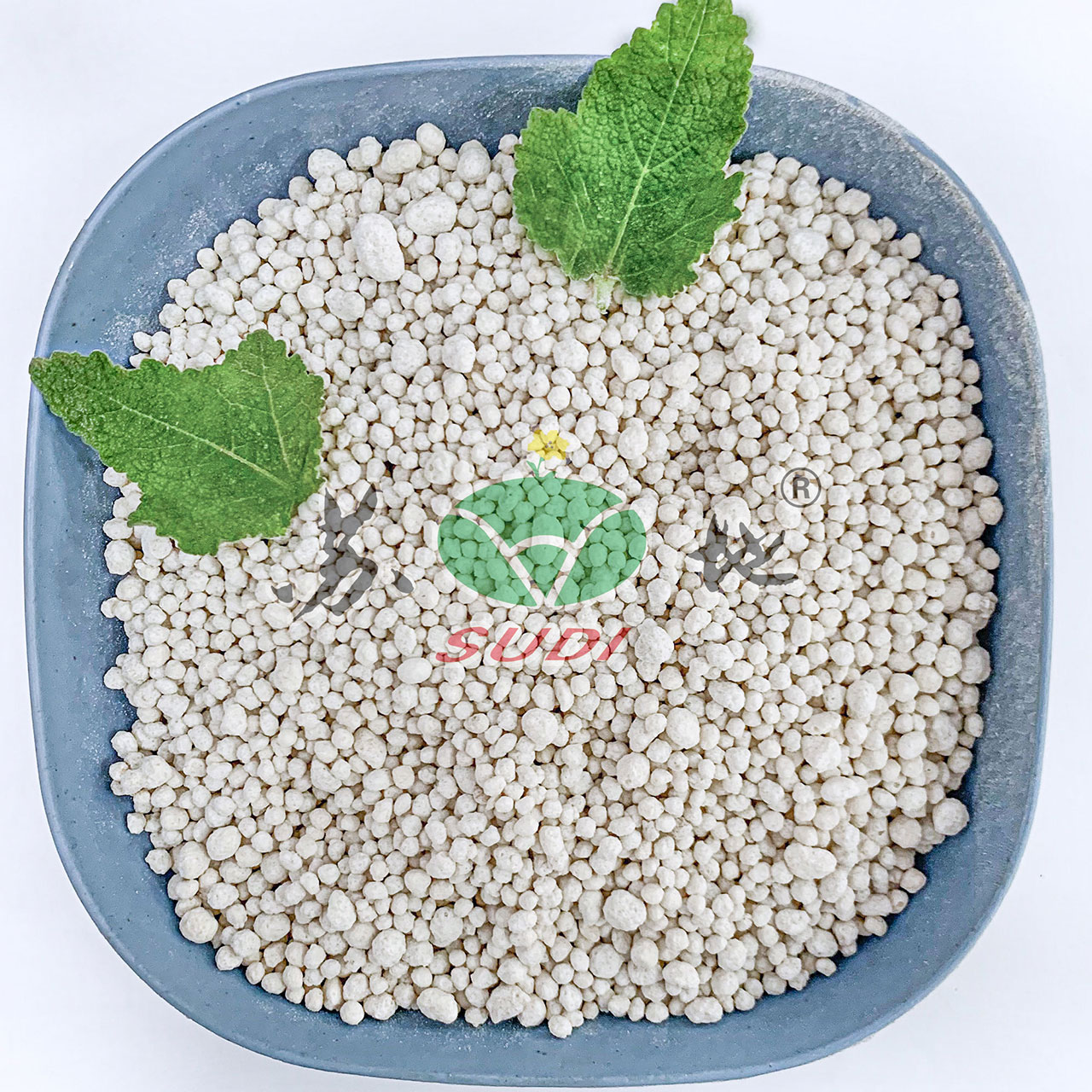
● A Micronutrient Fertilizer supplies trace elements plants need in small amounts, but their effect on crop growth can be large.
● The eight essential plant micronutrients are iron, manganese, zinc, copper, boron, molybdenum, chlorine, and nickel.
● Cobalt and silicon are often discussed in advanced crop nutrition, but they are better viewed as beneficial elements for specific crops or growing conditions.
● Zinc, iron, manganese, copper, and molybdenum are common fertilizer materials in sulfate or molybdate forms.
● The best fertilizer choice depends on soil pH, crop type, growth stage, deficiency symptoms, and application method.
● Overuse can cause toxicity, so soil testing and precise formulation matter.
The top 10 micronutrients in fertilizer usually include iron, manganese, zinc, copper, boron, molybdenum, chlorine, nickel, cobalt, and silicon. However, this list needs one clear note. The first eight are widely recognized as essential plant micronutrients. Cobalt and silicon are often treated as beneficial elements because they can support certain crops, soils, or stress conditions.
A good Micronutrient Fertilizer is not just a long nutrient list. It should match a real crop need. Some crops need more zinc. Some soils make iron hard to absorb. Legumes may need more attention to molybdenum. Fruit crops often need careful boron management.
Micronutrient | Main Role in Plants | Common Concern |
Iron | Chlorophyll formation and energy transfer | Yellow young leaves |
Manganese | Photosynthesis and enzyme activity | Pale leaves, weak growth |
Zinc | Root growth and enzyme systems | Short plants, poor early vigor |
Copper | Tissue strength and protein processes | Weak stems, poor grain fill |
Boron | Cell walls and fruit setting | Poor flowering or fruit shape |
Molybdenum | Nitrogen conversion | Weak legumes, poor N use |
Chlorine | Water balance and photosynthesis | Rare deficiency |
Nickel | Nitrogen metabolism | Rare, often overlooked |
Cobalt | Legume-related nitrogen fixation support | Crop-specific need |
Silicon | Stress tolerance and plant strength | Beneficial, not always essential |
Note:A “top 10” list should separate essential micronutrients from beneficial trace elements, because not every crop needs the same nutrient plan.
Iron is central to chlorophyll formation. Plants do not use iron to make chlorophyll directly, but they need it for the processes behind green leaf growth. Iron deficiency often appears first on young leaves. The leaves may turn yellow while veins stay green. This often happens in high-pH soils, calcareous soils, or poorly drained fields.
Manganese supports photosynthesis, respiration, and enzyme activation. It helps plants use nitrogen and supports several metabolic reactions. Manganese problems may appear in alkaline soils or sandy soils. The symptoms can look similar to iron shortage, so testing is useful before treatment.
Zinc is one of the most common micronutrient concerns in farming. It supports enzyme activity, root growth, protein synthesis, and early crop vigor. Zinc shortage can cause stunted plants, small leaves, poor flowering, and weak seed formation. Zinc sulfate fertilizer is often used when soil or crop data show a zinc gap.
Copper is needed in very small amounts. It supports enzyme systems, lignin formation, and stronger plant tissues. It can also affect reproductive growth and grain filling. Copper sulfate fertilizer may be used in crop nutrition plans, but it needs careful dosing because excess copper can harm plants and soil biology.
Tip:When leaves turn yellow, do not assume one cause. Iron, manganese, zinc, nitrogen, sulfur, and root stress can create similar symptoms.
Boron plays a major role in cell wall formation, sugar movement, pollen germination, and fruit development. It is especially important for fruit crops, vegetables, oilseed crops, and flowering crops. Boron also has a narrow safety range. Too little can reduce yield. Too much can damage crops.
Molybdenum is vital for nitrogen metabolism. It helps plants convert nitrate into usable forms. It also supports nitrogen fixation in legumes. When legumes perform poorly even after proper inoculation, molybdenum may be part of the problem. Ammonium molybdate is one fertilizer material used to supply this nutrient.
Chlorine is essential, but deficiency is not common in many field conditions. Plants take it up as chloride. It supports photosynthesis, water balance, and stomatal function. In most cases, growers manage chlorine more by avoiding excess chloride than by adding it.
Nickel supports nitrogen metabolism. It is required in very small amounts and is linked to urease activity. Nickel deficiency is less common in regular crop programs, but it still belongs on the essential micronutrient list. It matters more in specialized production systems or carefully managed nutrient programs.
Cobalt is not usually listed with the eight essential micronutrients for all plants, but it can matter in legume systems. It supports the microbes involved in biological nitrogen fixation. This makes cobalt more relevant for soybean, alfalfa, peas, beans, and other legumes than for many non-legume crops.
Silicon is also different from classic micronutrients. It is often called a beneficial element. It may support stronger plant tissues, better stress tolerance, and improved resistance to lodging in some crops. Rice, sugarcane, and some grasses are known for strong silicon response.
For fertilizer buyers, this distinction matters. A Micronutrient Fertilizer blend may include extra trace elements, but they should serve a clear purpose. More nutrients do not always mean better results. The formula should fit the crop, soil, irrigation system, and yield goal.
Note:Cobalt and silicon can add value in the right program, but they should not replace essential micronutrient correction.
NPK drives major growth. Nitrogen supports leafy growth. Phosphorus helps roots and energy transfer. Potassium supports water movement, stress response, and quality. Yet a crop can still struggle when trace elements are missing.
Micronutrients act like switches in plant systems. They help enzymes work. They support photosynthesis. They affect flowering, fruit set, nitrogen use, and tissue strength. That is why a small shortage can cause a large field problem.
For example, a corn field may receive enough NPK but still show poor early vigor from zinc shortage. A fruit crop may get enough potassium but still suffer poor fruit set from low boron. A legume field may have enough phosphorus but still fix nitrogen poorly if molybdenum is limited.
Micronutrient Fertilizer helps close these gaps. It can improve nutrient balance, reduce hidden hunger, and support better fertilizer efficiency. The goal is not to replace primary fertilizer. The goal is to complete the nutrient program.
Start with soil testing when possible. A soil test helps show pH, nutrient supply, salinity, and organic matter. Tissue testing can add more insight during the season. Visual symptoms help, but they are not enough on their own.
Soil pH is one of the biggest factors. High-pH soils often reduce iron, manganese, zinc, and copper availability. Low-pH soils may increase the risk of manganese or copper toxicity. Molybdenum behaves differently because it becomes more available as soil pH rises.
The application method also matters. Soil-applied products are useful for long-term correction. Foliar sprays can give a faster response during active growth. Water-soluble micronutrient fertilizer can work well in fertigation systems. Blended fertilizer can support broad field nutrition when the formula is correct.
Buyers should also review compatibility. Some nutrients do not mix well with certain fertilizer solutions. Some blends may settle, react, or lose efficiency. This is why technical formulation matters, especially for water-soluble products.
Tip:Choose the nutrient form after checking crop need, soil pH, water quality, and application equipment.
Sulfate-based fertilizers are common in agricultural micronutrient programs. Manganese sulfate, ferrous sulfate, copper sulfate, zinc sulfate, and magnesium sulfate are widely used fertilizer materials. They can support nutrient correction in soil application or as ingredients in broader formulas.
Molybdate sources supply molybdenum. They are used in small amounts because crops need only trace levels. Ammonium molybdate can support nitrogen metabolism and legume-related nutrient plans.
Water-soluble fertilizer systems may include trace elements along with NPK, calcium, magnesium, amino acids, humic acid, or other functional ingredients. These formulas are useful where growers need fast uptake, fertigation feeding, or flexible crop-stage nutrition.
Custom fertilizer blends are often the better option when several nutrient gaps exist together. A grower may need NPK plus sulfur, magnesium, zinc, boron, and molybdenum. A single-nutrient product may not solve the whole problem.
Soil application is useful before planting or during base fertilization. It works well when the target is long-term correction. It may suit zinc, copper, manganese, or boron programs, depending on crop and soil conditions.
Foliar application is useful when crops need a fast response. It can help correct visible symptoms during key growth stages. However, foliar feeding should not be the only strategy if soil supply remains poor.
Fertigation gives flexible timing. It works well in vegetable, fruit, greenhouse, and irrigation-based production. Water-soluble micronutrient fertilizer can move through irrigation systems and reach crops during active demand periods.
Blending with compound fertilizer, bulk blending fertilizer, organic fertilizer, or organic-inorganic fertilizer can simplify field application. The key is formula accuracy. Trace nutrients must be evenly distributed because small errors can cause uneven crop response.
SUDI FERTILIZER supplies a wide fertilizer range for crop nutrition programs, including straight fertilizer, compound fertilizer, bulk blending fertilizer, organic fertilizer, organic-inorganic fertilizer, microbial organic fertilizer, and water-soluble fertilizer. Its micronutrient fertilizer range includes manganese sulfate, ferrous sulfate, copper sulfate, magnesium sulfate, zinc sulfate, and ammonium molybdate. These products can support trace element correction, fertilizer blending, and targeted crop nutrition plans.
For growers and fertilizer buyers who need a more specific nutrient plan, the company provides Fertilizer Customization based on soil sampling, soil testing, precision formulation, nutrient supplementation, and scientific fertilization. This service helps match NPK, secondary nutrients, and trace elements to crop needs and soil supply. For product consultation, formulation discussion, or sales support, buyers can use the Contact Us channel to connect with the team.
SUDI FERTILIZER helps growers build balanced nutrition plans through micronutrient fertilizer products and customized formulation support. The right trace elements can improve crop vigor, nutrient use, flowering, and quality. By matching products to soil data and crop needs, SUDI FERTILIZER offers practical value for modern fertilization.
A: A Micronutrient Fertilizer supplies trace elements crops need in small amounts.
A: They are iron, manganese, zinc, copper, boron, molybdenum, chlorine, nickel, cobalt, and silicon.
A: Micronutrient Fertilizer helps correct hidden nutrient gaps and supports better crop growth.
A: It depends on soil, crop type, pH, and visible deficiency symptoms.
A: Cost depends on nutrient type, purity, formula, order quantity, and application form.
A: Yes. Excess boron, copper, or manganese can cause toxicity.

