
Please Choose Your Language


Views: 0 Author: Site Editor Publish Time: 2026-09-03 Origin: Site


Balancing crop yield and input costs presents a constant challenge. Farmers face immense pressure. We want to maximize agricultural production. Yet, we must avoid risking soil salinity or crop toxicity. The chloride based compound fertilizer formulations offer a highly cost-effective solution. They deliver dense nutrients at lower prices. However, applying them blindly creates massive problems. Selecting the wrong material grade destroys farm profitability. Applying them to the wrong crop ruins seasonal yields. To maximize your agronomic ROI, you must evaluate material grades carefully. Procurement managers and agronomists need strict evaluation frameworks. You must assess crop tolerance directly. You must determine exact NPK requirements. Finally, you must verify strict manufacturing specifications before purchasing.
Chloride-based fertilizers offer superior cost-performance for field crops (e.g., rice, corn, wheat) but carry implementation risks for chloride-sensitive crops (e.g., tobacco, potatoes).
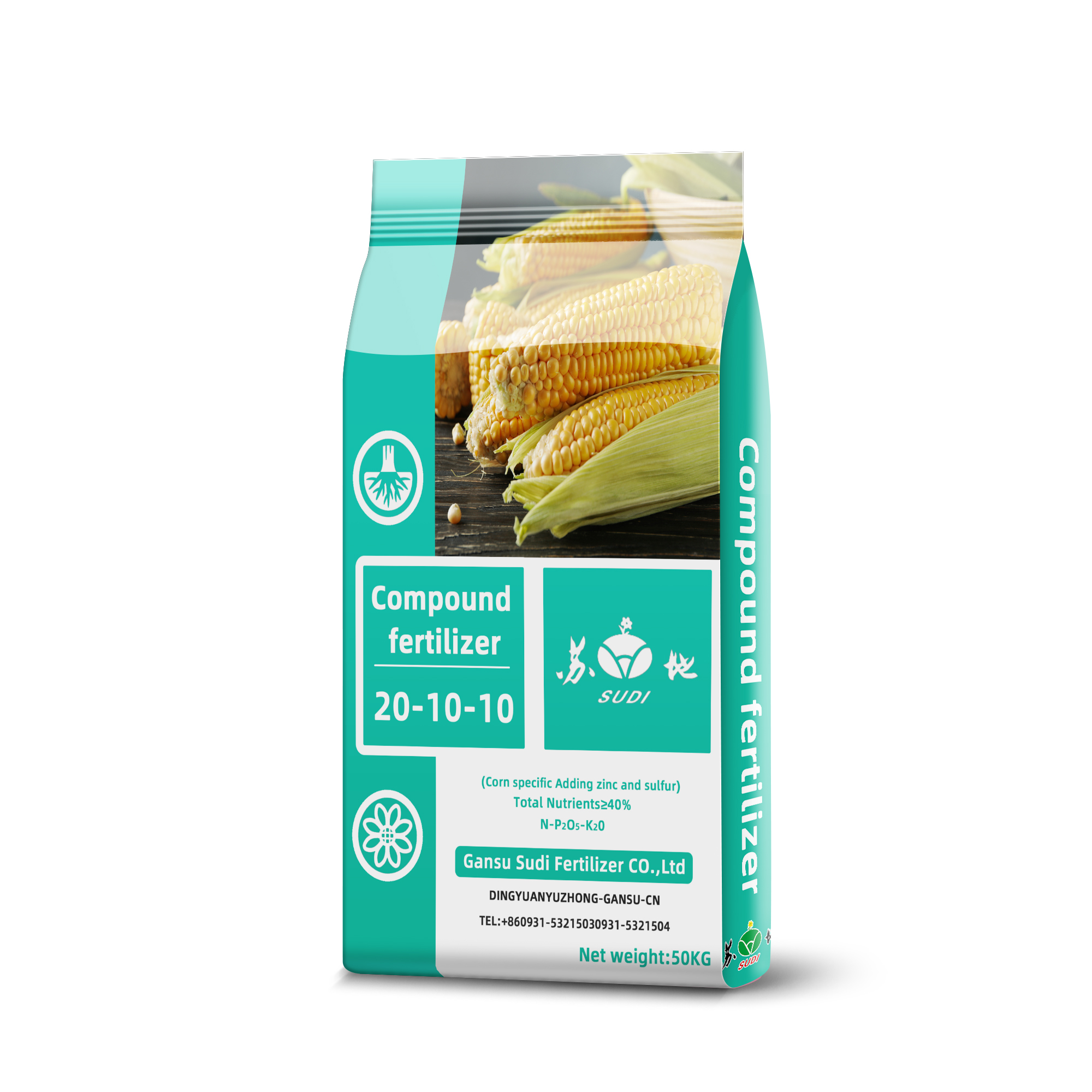
Standardized grades like compound fertilizer 20 10 10 chloride provide highly efficient nutrient delivery for specific growth stages, provided the raw material purity is high.
Evaluating baseline specifications (solubility, moisture content, heavy metals) is non-negotiable for ensuring scalable, safe application.
Selecting a compliant, transparent supplier mitigates supply chain risks and guarantees consistent batch-to-batch performance.
Rising agricultural input costs demand immediate attention. Farmers scrutinize their fertilizer ROI daily. Operating budgets continue to shrink globally. Nitrate and sulfate-based nutrient systems remain heavily expensive. They force managers to spend heavily on basic plant nutrition. Chloride options provide a powerful alternative. They deliver high nutrient density at a dramatically lower price point.
We must acknowledge the agronomic reality first. Chloride functions as an essential plant micronutrient. Plants need it for photosynthesis. It also manages cellular osmotic regulation. Water movement depends on it. However, plants walk a fine line. The biological margin between nutrient deficiency and chemical toxicity is remarkably narrow. Over-application causes severe damage.
We can evaluate options using a practical cost-performance matrix. Compare the per-acre application cost across different systems. Double-sulfate systems cost significantly more per ton. Nitrate systems require frequent field reapplications. Chloride compounds often cost 20% to 30% less. The concept of "better" depends entirely on matching the material grade to physiological limits. If your crop handles chloride well, you maximize your financial return instantly.
Comparison of Primary Fertilizer Systems
System Type | Relative Cost | Nutrient Density | Ideal Crop Suitability | Leaching Risk |
|---|---|---|---|---|
Chloride-Based | Low | High | Grains, Rice, Cotton | Low (requires watering) |
Sulfate-Based | High | Medium | Potatoes, Grapes, Citrus | Very Low |
Nitrate-Based | Highest | High | Vegetables, Tobacco | High |
Making a smart business choice requires data. You save capital using chloride options. But you must allocate them correctly. Proper allocation guarantees strong vegetative growth without financial waste.
Agricultural success depends on exact chemistry. Specific NPK ratios target precise agricultural outcomes. A highly specialized option like compound fertilizer 20 10 10 chloride provides unique advantages. We categorize these chemical solutions by their primary nutrient drivers. Understanding these categories prevents field application errors.
Let us dive deep into the 20-10-10 formulation. This blend carries a heavy nitrogen focus. Grain crops consume massive amounts of nitrogen early in their life cycle. Corn and wheat require rapid stalk development. The 20% nitrogen load fuels this early vegetative growth perfectly. It pushes plants upward aggressively.
Raw material sources matter immensely. Manufacturers usually derive the chloride from Potassium Chloride (KCl) or Ammonium Chloride (NH4Cl). These sources alter field performance drastically. KCl delivers essential potassium slowly. It helps plants resist severe drought. NH4Cl provides immediate, volatile nitrogen. It interacts quickly in the soil. But it can lower your soil pH over successive planting seasons.
We must contrast this aggressive formulation against balanced formulas. A standard 15-15-15 grade offers steady, baseline nutrition. Farmers typically use it for basal application right before planting. The 20-10-10 mix serves a completely different operational role. Agronomists deploy it for aggressive top-dressing. The high nitrogen pushes growth during critical developmental windows. Your grade selection dictates your entire application timeline.
Best practices for timing include:
Apply balanced formulas (15-15-15) during initial tilling.
Deploy nitrogen-heavy formulas (20-10-10) before major growth spurts.
Monitor soil moisture closely before broadcasting any high-nitrogen blend.
Not all crops handle high chloride indexes safely. We evaluate this field risk through a strict scientific lens. The primary dangers involve chloride toxicity and aggressive soil acidification. Ignorance here leads to total crop failure.
We categorize plants by their biological tolerance. High tolerance crops make ideal candidates. Rice, wheat, corn, cotton, and sorghum thrive here. They process the salts efficiently. Interestingly, chloride suppresses certain root diseases in wheat crops. It acts as a mild protective agent. These crops translate cheap nutrients into massive yields. They maximize your fertilizer budget.
Conversely, low tolerance crops suffer immediately. You must strictly avoid using these chemical blends on them. Tobacco plants absorb the salts rapidly. This heavily reduces their post-harvest combustibility. Potatoes suffer a severe drop in starch content. Grapes and citrus trees show visible leaf margin burn. These physiological damages destroy your final market value. Buyers will reject the tainted produce.
Environmental context dictates fertilizer success. Arid regions face exceptionally high risks. Poorly drained soils trap salts near the root zone. Over time, continuous chloride accumulation poisons the earth. Seedlings fail to germinate in highly saline dirt.
We rely on transparent assumptions regarding field hydrology. These fertilizers require adequate hydration. You need strong irrigation systems. Alternatively, you need consistent seasonal rainfall. The water must leach excess salts deep below the root zone. Without adequate leaching, your soil salinity spikes dangerously. Agronomists recommend performing routine salinity tests. Test your soil profile twice annually. This habit catches accumulation before it becomes lethal.
How do you separate premium material grades from subpar formulations? You rely strictly on evidence-oriented criteria. Marketing brochures hide severe manufacturing flaws. A verified product spec sheet reveals the absolute truth. Evaluating these baseline chloride based compound fertilizer specifications remains non-negotiable for serious operations.
We monitor four crucial specification metrics:
Total Nutrient Content (N+P2O5+K2O): The product must meet or exceed the labeled grade. A 20-10-10 bag must deliver exactly 40% active macronutrients. Any deviation indicates cheap fillers. Filler materials waste your money and fuel costs.
Chloride Content Thresholds: Regulators classify products strictly. Low-chloride grades typically contain under 15%. Medium-chloride ranges from 15% to 30%. High-chloride formulas exceed 30%. You must match these chemical thresholds to your specific crop tolerance.
Moisture Content and Granulation: Premium batches keep internal moisture below 2%. Dry pellets prevent storage caking. They ensure uniform mechanical broadcasting across large fields. High hygroscopicity acts as a massive red flag. Wet pellets clog expensive farm machinery.
Heavy Metal Limits: You must demand safety compliance. Regional agricultural safety standards enforce strict caps. Arsenic, Cadmium, and Lead poison soil biology. They accumulate dangerously in the human food chain. Never compromise on these safety limits.
Subpar products break apart easily. Excessive dust during broadcasting indicates poor granulation. This dust blows away in the wind. You lose valuable nutrients instantly. Always inspect physical pellet strength before buying bulk.
Product evaluation forms only half the procurement battle. Procurement reliability matters just as much. What makes a chemical partner trustworthy? You must transition from product analysis to rigorous vendor qualification. Securing a reliable chloride based compound fertilizer supplier mitigates serious supply chain risks. We evaluate vendors across four rigorous dimensions.
First, examine Production Capacity and Granulation Technology. Manufacturing methods alter nutrient delivery. Tower granulation melts raw ingredients completely. The liquid sprays down a tall cooling tower. It forms perfectly spherical, highly soluble pellets. Rotary drum methods tumble wet powders together. Drum-made granules often suffer from uneven nutrient distribution. Tower technology guarantees superior, consistent field performance.
Second, demand Quality Control and QA Transparency. Does the vendor test their own homework? True trust requires third-party verification. Reputable factories use independent labs like SGS. They test every single production batch. They provide a Certificate of Analysis (CoA) proactively. Demand complete QA transparency from any vendor.
Third, assess Supply Chain Stability. Agriculture cannot wait for delayed cargo shipments. Planting windows remain brutally narrow. Suppliers must deliver consistent volume during peak seasons. Unreliable vendors substitute cheaper raw materials when their margins shrink. Solid partners guarantee formula consistency year-round.
Finally, expect elite Agronomic Support. Great vendors sell technical expertise alongside bulk chemicals. Do they provide comprehensive Technical Data Sheets (TDS)? Can they offer localized application guidance? The best partners analyze your regional soil reports. They recommend precise application rates based entirely on your local data.
The final verdict remains crystal clear. The "best" material grade aligns perfectly with your farm's unique profile. It matches your crop's biological chloride tolerance safely. It respects your regional soil hydrology. It delivers exact NPK requirements efficiently. When managed correctly, these systems provide unmatched agricultural value.
Implement these next steps for your procurement and agronomy teams:
Audit your baseline soil chloride levels using a certified laboratory.
Request official Technical Data Sheets (TDS) from prospective suppliers.
Demand third-party sample analyses to verify heavy metal limits.
Run a small-scale cost-benefit analysis comparing the 20-10-10 grade against your current program.
Calibrate your broadcasting equipment to match the specific granulation profile.
A: Applying these formulations to sensitive crops causes immediate physiological damage. Plants like tobacco and potatoes absorb excess salts. This results in severe leaf margin burn. It heavily reduces starch and sugar accumulation. Ultimately, the crop yields poor quality produce. The diminished market value will severely hurt your seasonal profitability. Always verify plant tolerance before broadcasting.
A: Yes, it can increase soil salinity if managed poorly. Applying it excessively in low-rainfall areas traps salts. Poor drainage systems compound this exact issue. You must implement active leaching strategies. Regular irrigation is strictly required. Adequate water pushes excess salts below the active root zone. This manages the salt indexes effectively and protects long-term soil health.
A: Never rely on marketing claims. You must request a formal Certificate of Analysis (CoA) directly from the supplier. Cross-reference this document carefully. Check the stated chloride index against your needs. Verify the moisture content sits below 2%. Confirm all heavy metal concentrations fall well within your local regulatory safety standards. Use third-party lab results when possible.

