
Please Choose Your Language


Views: 0 Author: Site Editor Publish Time: 2026-02-16 Origin: Site


When you start exploring different types of fertilizers for your plants, you may encounter NPK fertilizers with similar ratios like 19-19-19 and 20-20-20. These two fertilizers look quite alike at first glance, as they both provide a balanced mix of nitrogen (N), phosphorus (P), and potassium (K). However, deciding which one is the best for your plants can be challenging, especially when you are not sure what the numbers really mean or how they will affect your plants.
At SUDI FERTILIZER, we specialize in helping gardeners and farmers choose the right products for their plants. Understanding the differences between NPK 19-19-19 and NPK 20-20-20 is essential to optimizing plant growth and achieving better yields. In this article, we will break down the key distinctions between these two fertilizers, explain what the numbers on the label mean, and provide you with insights on when and how to use each product for different plant needs.
The goal is not just to explain what these ratios stand for, but also to give you the knowledge to make a well-informed decision based on your specific soil conditions, plant types, and growth phases. Whether you’re growing leafy greens, flowering plants, or fruiting crops, selecting the right NPK fertilizer is the key to success.
NPK fertilizers are often labeled with numbers like 19-19-19 or 20-20-20. These numbers represent the percentage of three essential nutrients: nitrogen (N), phosphorus (P), and potassium (K). Understanding these numbers helps determine which fertilizer is right for your plants based on their needs.
The numbers on the NPK label show the percentage of each nutrient by weight in the fertilizer:
The first number indicates the percentage of nitrogen (N), which is crucial for promoting healthy leaf and stem growth.
The second number represents the percentage of phosphorus (P), which helps in root development and the flowering process.
The third number represents the percentage of potassium (K), which strengthens the plant's resistance to stress and diseases and improves overall fruit and flower quality.
For example, NPK 19-19-19 means that the fertilizer contains:
19% nitrogen (for leaf growth),
19% phosphorus (for strong roots and flowers),
19% potassium (for disease resistance and fruit development).
On the other hand, NPK 20-20-20 means:
20% nitrogen,
20% phosphorus,
20% potassium.
Both fertilizers are balanced because they provide the three essential nutrients in nearly equal proportions. However, NPK 20-20-20 provides a slightly higher concentration of these nutrients, making it more intensive in its nutrient delivery.
While both NPK 19-19-19 and NPK 20-20-20 are balanced fertilizers, the slight difference in the percentages of each nutrient can make a difference in how they perform for different types of plants and growth stages. Here's a side-by-side comparison of the two formulas:
Ratio | Nitrogen | Phosphorus | Potassium | Best Use |
19:19:19 | 19% | 19% | 19% | Balanced growth for general use |
20:20:20 | 20% | 20% | 20% | Intensive nutrition for larger crops |
From this comparison, you can see that NPK 20-20-20 contains slightly more nitrogen, phosphorus, and potassium compared to NPK 19-19-19. This makes NPK 20-20-20 ideal for more intensive growth needs, such as larger plants or plants that are growing rapidly or entering the flowering and fruiting stages.
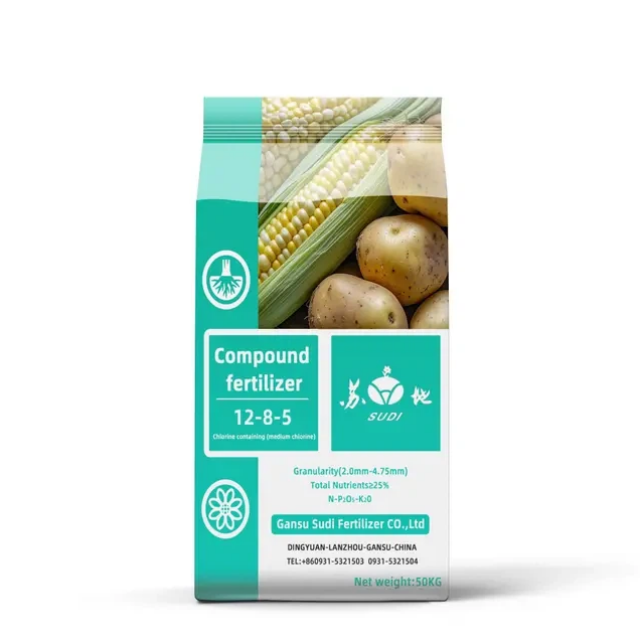
NPK 19-19-19 is a well-rounded, balanced fertilizer that provides all three essential nutrients in equal measure. It is perfect for a variety of plants and growth stages. This formula is ideal for general use and can be applied to most crops without much concern about overfeeding.
Pros:
Balanced Nutrition: Offers a steady and even supply of nitrogen, phosphorus, and potassium, making it suitable for a wide range of plants.
Great for General Use: This fertilizer is excellent for vegetables, flowers, and other garden plants that need a balanced nutrient profile.
Minimal Risk of Overfeeding: Since the nutrients are evenly distributed, the risk of applying too much of one nutrient is minimized, making it ideal for gardeners who want an easy-to-use, general-purpose fertilizer.
Cons:
Less Intense for Larger Crops: For fast-growing or larger plants that require higher nutrient levels, NPK 19-19-19 may not provide the necessary concentration to keep up with their nutrient demands.
NPK 20-20-20 provides a more concentrated amount of nutrients compared to NPK 19-19-19. This makes it ideal for larger plants, crops in intensive growth phases, or plants that need a significant nutrient boost to reach their full potential.
Pros:
Higher Nutrient Content: The higher concentration of each nutrient helps promote more vigorous growth, stronger flowers, and larger fruits.
Great for Larger Crops: NPK 20-20-20 is ideal for larger crops like tomatoes, corn, and other vegetables that have higher nutrient demands during their growth cycle.
Improved Flowering and Fruiting: The enhanced phosphorus and potassium content makes this fertilizer a great choice for flowering and fruiting plants, helping them produce high-quality blooms and fruits.
Cons:
Higher Cost: Because of the higher concentration of nutrients, NPK 20-20-20 may be more expensive compared to NPK 19-19-19.
Overuse Risks: Applying NPK 20-20-20 in excess can lead to nutrient overload, especially if the plants do not need such an intensive fertilizer boost. This can cause nutrient imbalances or even burn the plants.
The choice between NPK 19-19-19 and NPK 20-20-20 largely depends on your specific growing conditions, the type of plants you're cultivating, and their growth stage.
General Purpose Fertilization: If you're looking for a balanced fertilizer for a wide variety of plants, including leafy greens, herbs, and general garden plants, NPK 19-19-19 is a great choice. It provides steady nutrition to keep your plants healthy without overwhelming them.
Young or Smaller Plants: This formula is perfect for seedlings or smaller plants that do not require high levels of nutrients right away. It ensures that they have a solid foundation for growth without risking overfeeding.
Larger Crops or High-Demand Plants: If you’re growing larger crops or plants that are in an intensive growth phase, such as flowering or fruiting, NPK 20-20-20 is a better choice. The increased concentration of nutrients provides the extra boost these plants need to thrive.
Plants Needing More Potassium and Phosphorus: If your plants are entering their flowering or fruiting stages, or if you’re growing plants that need more of these nutrients, NPK 20-20-20 will meet these demands.
Knowing when and how to apply NPK fertilizers can make a significant difference in your plant’s growth. Here are some tips for applying NPK 19-19-19 and NPK 20-20-20:
Apply During Active Growth: For best results, apply NPK fertilizers during the active growing season. Plants use the nutrients more effectively when they are actively growing and in need of nutrients.
Follow Manufacturer Guidelines: Always follow the recommended application rates provided by the fertilizer manufacturer. Over-application can lead to nutrient overload and potentially harm the plants.
Water After Application: After applying NPK fertilizers, water the plants to help the nutrients reach the root system and prevent fertilizer burn.
Custom Mixes for Specific Needs: If you have specific plant types or soil conditions, consider creating a custom fertilizer mix to match the needs of your plants. At SUDI FERTILIZER, we offer customized blends tailored to your requirements.
When it comes to choosing the right fertilizer, the choice between NPK 19-19-19 and NPK 20-20-20 depends on the needs of your plants. NPK 19-19-19 offers a balanced, steady supply of essential nutrients and is ideal for general-purpose use and smaller plants. NPK 20-20-20, with its higher nutrient concentration, is perfect for larger plants or those in need of a nutrient boost during peak growth or fruiting phases.
At SUDI FERTILIZER, we provide both NPK 19-19-19 and NPK 20-20-20, as well as other customized fertilizers to meet the specific needs of your crops. Our products are designed to optimize plant health, improve yields, and enhance the overall growing experience. If you're unsure which NPK fertilizer is best for your plants, contact us today for expert guidance and to explore our full range of high-quality fertilizers.
1. What is the difference between NPK 19-19-19 and NPK 20-20-20?
The primary difference is that NPK 20-20-20 contains a slightly higher concentration of each nutrient, making it more suited for plants that require more intensive feeding during their growth cycle.
2. Can I use NPK 20-20-20 for all types of plants?
While NPK 20-20-20 is great for larger crops or those in the flowering/fruiting stages, NPK 19-19-19 is more suitable for general plant care and smaller plants.
3. How often should I apply NPK fertilizers?
It is generally recommended to apply NPK fertilizers every 2-4 weeks, depending on the plant’s needs and the growth stage.
4. Is NPK 19-19-19 suitable for new seedlings?
Yes, NPK 19-19-19 provides balanced nutrition, making it suitable for seedlings and early growth stages.

