
Please Choose Your Language


Views: 0 Author: Site Editor Publish Time: 2026-02-09 Origin: Site


When it comes to plant growth, choosing the right fertilizer is crucial for providing the essential nutrients that plants need to thrive. Among the most widely used fertilizers are NPK and DAP (Diammonium Phosphate). However, many gardeners and farmers often find themselves questioning, “Which is better for my plants, NPK or DAP?” At SUDI FERTILIZER, we understand that choosing the right fertilizer is not just about picking a product—it’s about ensuring the optimal growth and development of your plants.
NPK fertilizers and DAP fertilizers both provide critical nutrients for plant development, but they have distinct differences in terms of their composition and best-use applications. Understanding these differences can help you make the right choice for your plants, whether you are starting seedlings, growing vegetables, or cultivating flowering and fruit-bearing plants. This article will explore the benefits of each fertilizer, their limitations, and how to decide which one is best suited for your gardening or farming needs.
By the end of this article, you’ll have a clear understanding of the strengths and weaknesses of DAP and NPK fertilizers. With this knowledge, you can make a more informed decision and help your plants flourish, whether they are just beginning their life cycle or are already in full bloom.
DAP (Diammonium Phosphate) is a chemical fertilizer composed of two essential nutrients: nitrogen (N) and phosphorus (P). It is a high-phosphorus fertilizer with a typical NPK ratio of 18-46-0. This means that DAP provides 18% nitrogen, 46% phosphorus, and 0% potassium, making it an excellent choice for promoting early-stage root growth and development in plants.
Promotes Root Development: Phosphorus is a vital nutrient for developing strong roots. DAP provides a concentrated dose of phosphorus, making it an excellent choice for early growth and helping new plants establish robust root systems.
Ideal for Seedlings and Transplants: DAP is frequently used when planting seeds or transplanting young plants, as it gives them the energy and strength to take root and start growing quickly.
Phosphorus-Rich Soils: For soils that are deficient in phosphorus, DAP helps replenish this essential nutrient, ensuring plants can grow strong and healthy. It is ideal for crops that require a lot of energy during their early growth stages.
While DAP is an excellent fertilizer for promoting root growth, it is limited because it does not provide potassium. Potassium plays an important role in various plant processes such as photosynthesis, disease resistance, and fruit development. Therefore, DAP is not sufficient for plants that require balanced nutrition throughout their life cycle, particularly those that need extra potassium during their flowering and fruiting stages. This is where NPK fertilizers can offer a more complete solution.
NPK fertilizers are balanced fertilizers that contain the three main macronutrients essential for plant growth: nitrogen (N), phosphorus (P), and potassium (K). The numbers associated with NPK fertilizers, such as 19-19-19 or 20-20-20, represent the percentage of each nutrient in the fertilizer. These fertilizers are designed to provide a balanced and comprehensive nutrient profile, which is why NPK fertilizers are popular for a wide range of plants and crops throughout their entire growth cycle.
Nitrogen (N): Nitrogen is an essential nutrient that promotes lush, green foliage and vigorous stem growth. It is a critical component of chlorophyll, which plants use to absorb sunlight and produce energy through photosynthesis.
Phosphorus (P): Phosphorus is crucial for strong root development and energy transfer within the plant. It also plays a role in flower and fruit development, making it a key nutrient during the reproductive phase of plant growth.
Potassium (K): Potassium helps regulate various processes in plants, including water balance, enzyme activation, and disease resistance. It also improves the quality of flowers, fruits, and seeds by strengthening cell walls and enhancing overall plant health.
Unlike DAP, which is focused on early growth, NPK fertilizers provide a complete nutrient profile that meets the needs of plants throughout all stages of growth—from seedling to flowering and fruiting.
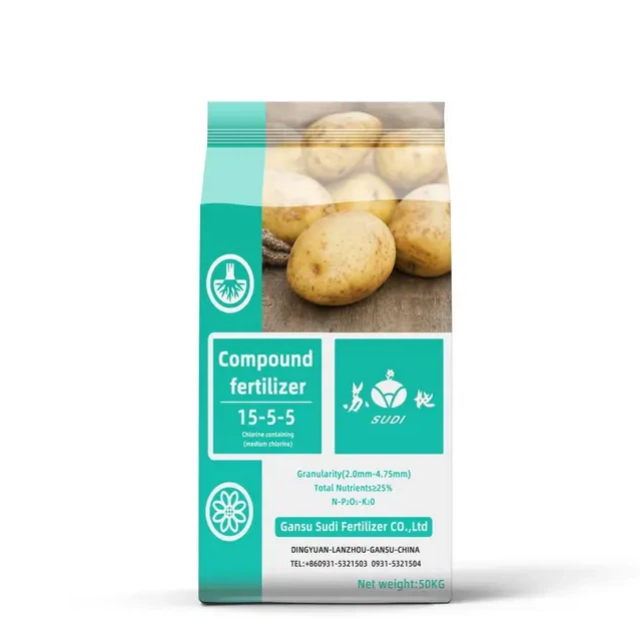
The decision between DAP and NPK fertilizers depends on various factors, including the type of plants you are growing, their growth stage, and the condition of your soil. Below is a more detailed comparison of DAP and NPK fertilizers:
Feature | DAP | NPK |
Nutrients Provided | Nitrogen & Phosphorus | Nitrogen, Phosphorus & Potassium |
Typical Ratio | 18-46-0 | Varies (e.g., 19-19-19, 20-20-20) |
Stage of Use | Early root growth | Suitable for whole crop cycle |
Best For | Starter feed | Balanced nutrition for all stages |
As shown, DAP is best used for promoting early growth, particularly for new plants or those that need a phosphorus boost. It is also ideal for phosphorus-deficient soils. On the other hand, NPK fertilizers provide a more comprehensive solution, delivering balanced nutrition to support plants throughout their life cycle, from seedling to harvest.
Early Growth: When establishing young plants or starting seeds, DAP is a great option to promote strong root development. Its high phosphorus content ensures that the roots get a good start and are able to take up nutrients more effectively.
Phosphorus-Deficient Soils: If your soil is lacking phosphorus, DAP can help restore the nutrient levels, ensuring that plants receive adequate nutrition during their early stages of growth.
Root Crops: Root vegetables like carrots, beets, and potatoes benefit from DAP, as it encourages robust root development that results in better yields.
Balanced Growth: If you want to provide your plants with a complete nutrient profile, NPK fertilizers are a better option. With nitrogen for healthy foliage, phosphorus for strong roots and flowering, and potassium for overall plant health, NPK is a well-rounded choice.
Flowering and Fruiting: NPK fertilizers with higher potassium levels are particularly beneficial for flowering and fruiting plants, as potassium strengthens the cell walls and enhances fruit quality.
General Plant Care: Whether you're growing leafy greens, vegetables, flowers, or fruits, NPK fertilizers are versatile and support plants at all stages of growth.
The best fertilizer for your plants depends on several factors, such as the soil's nutrient content and the specific needs of your crops. Below is a simple guide to help you decide whether DAP or NPK is best for your garden:
Nitrogen Deficiency: If your soil is deficient in nitrogen, NPK fertilizers with higher nitrogen content (e.g., 20-10-10) will provide the necessary boost for healthy leaf and stem growth.
Phosphorus Deficiency: If the soil is lacking phosphorus, DAP will restore the necessary phosphorus levels and support strong root development.
Potassium Deficiency: If your soil lacks potassium, choose NPK fertilizers that have higher potassium content, such as 10-10-20, to strengthen the plant’s resistance to diseases and improve fruit quality.
Crop Type | Ideal Fertilizer | NPK Ratio |
Leafy Vegetables | Nitrogen-focused | 15-5-10 |
Flowering Plants | Balanced growth | 20-20-20 |
Fruit-bearing Crops | Potassium-focused | 10-10-30 |
In the end, there is no definitive “better” fertilizer between DAP and NPK—it all depends on the type of plants you are growing and the specific nutrient needs they have. DAP is ideal for early-stage growth, especially when phosphorus is required for strong root development. However, for plants that need balanced nutrition throughout their life cycle, NPK fertilizers are the better choice as they offer a comprehensive nutrient profile that promotes healthy growth from start to finish.
At SUDI FERTILIZER, we offer a wide selection of NPK fertilizers, designed to meet the varying needs of plants at different stages of growth. Whether you're starting seeds or nurturing fruit-bearing plants, our fertilizers provide the right balance of nutrients to help your plants thrive. If you're unsure which fertilizer is best for your specific needs, don’t hesitate to contact us for expert advice and recommendations.
1. What is the main difference between DAP and NPK fertilizers?
The primary difference is that DAP provides only nitrogen and phosphorus, while NPK fertilizers offer a complete nutrient profile that includes nitrogen, phosphorus, and potassium.
2. Which fertilizer should I use for early plant growth?
For early root development, DAP is an excellent choice due to its high phosphorus content, which supports strong root growth.
3. Can I use NPK for flowering plants?
Yes, NPK fertilizers are ideal for flowering plants as they provide a balanced ratio of all three essential nutrients, including potassium, which helps improve flower and fruit quality.
4. How do I know if my soil needs NPK or DAP?
Soil testing is key. If your soil is deficient in phosphorus, DAP is ideal, while NPK is recommended if your plants need a more balanced supply of nutrients throughout their growth cycle.

