
Please Choose Your Language


Views: 0 Author: Site Editor Publish Time: 2026-09-22 Origin: Site


Off-the-shelf soil amendments often fail to address highly specific agronomic deficiencies. They deliver generic nutrients into complex ecosystems, causing wasted spend and harmful nutrient runoff. Transitioning from standard inputs to customized organic matter solves these persistent challenges. It requires aligning precise soil test data directly alongside exact product specifications.
Agricultural managers, landscapers, and procurement teams face constant pressure to optimize field performance. We want to help you determine exactly when the agronomic return on investment for custom blending outweighs the convenience of standardized bulk products.
In the following sections, you will discover the limitations of generic inputs and learn the primary triggers for upgrading your approach. You will also explore how to define rigorous material specifications, evaluate manufacturing partners, and successfully implement a long-term soil rebuilding strategy.
The agricultural industry relies heavily on bulk composts and standard amendments. These off-the-shelf products promise a convenient way to boost soil health. However, commercial-scale operations and strict landscaping projects require much higher precision. Standardized inputs inherently lack consistency.
Bulk producers utilize highly variable feedstocks. Seasonal changes dictate what goes into their processing piles. Spring batches might contain heavy yard trimmings. Fall batches might consist entirely of dry leaves. This "one-size-fits-all" trap destroys predictability. You cannot accurately project crop yields or turf establishment rates using unpredictable materials.
Arbitrary application of generic organic fertilizer creates significant agronomic risks. Nutrient lockout frequently occurs when carbon levels remain too high. Soil microbes consume all available nitrogen to break down woody materials. Your cash crops starve during this process. Conversely, poorly cured manure blends can release excess phosphorus. This imbalance leads directly to toxic leaching and municipal fines.
Many professionals misunderstand the fundamental difference between soil texture and soil structure. We must acknowledge geological reality. Organic inputs brilliantly improve soil structure. They bind particles into aggregates. They increase porosity and enhance water-holding capacity. However, no amount of compost will alter base soil texture. You cannot transform heavy clay into sandy loam by adding carbon. Sand, silt, and clay ratios remain permanent.
Before considering any custom intervention, you must establish an agronomic baseline. Never guess your soil conditions. Pull representative soil cores across your site. Send these samples to a certified laboratory. Look specifically at your cation exchange capacity (CEC) and base saturation numbers. These exact metrics form your baseline. They dictate whether you truly need a bespoke formulation.
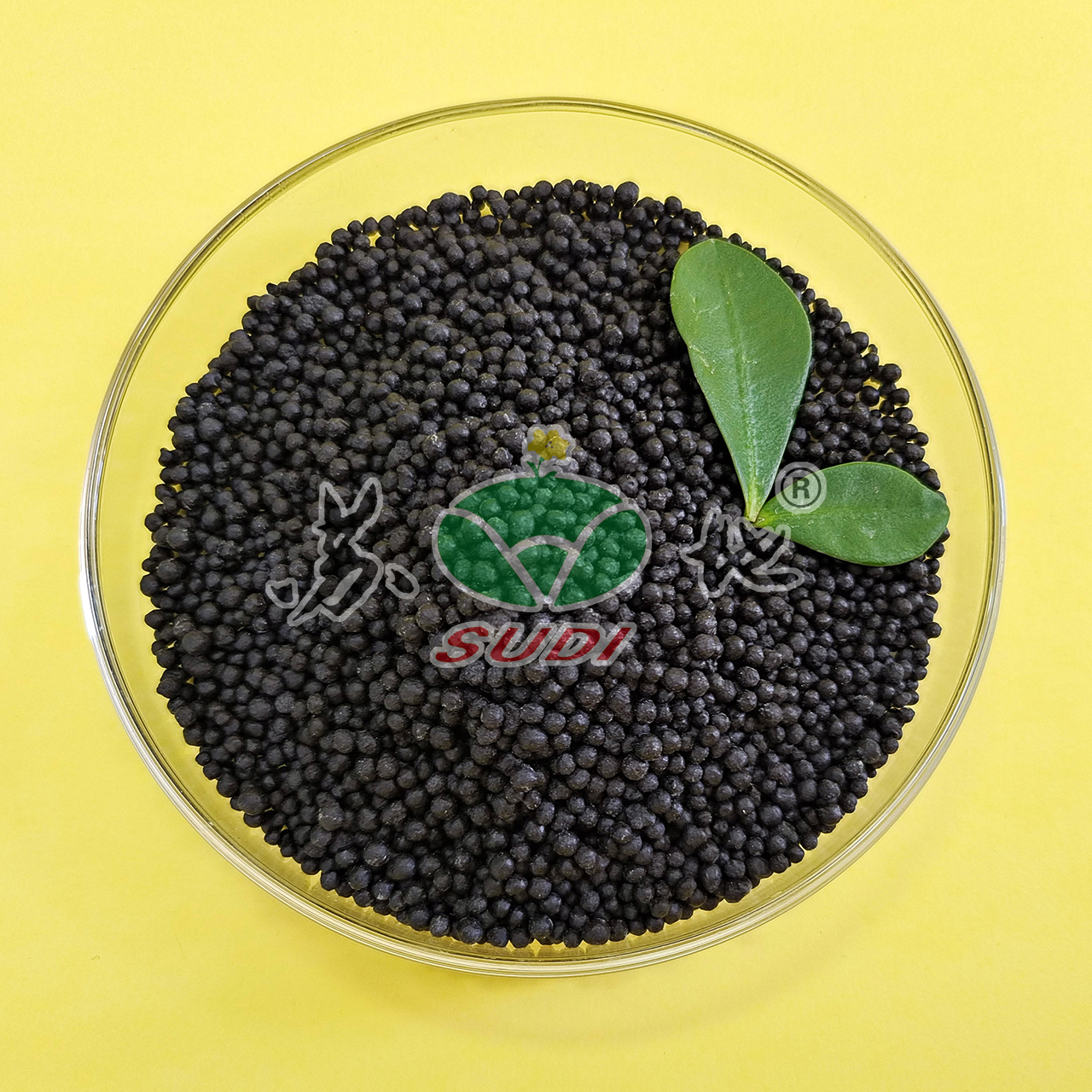
Upgrading to bespoke soil amendments requires time and planning. You should reserve this strategy for situations demanding absolute control. The following four triggers indicate you must move past generic bulk compost.
Trigger 1: Strict Target Formulations. Commercial crops have precise feeding windows. High-value crops demand specific, guaranteed analyses to reach their yield potential. You might need to source a highly specific 4 npk organic matter 30 manufactured blend. This guarantees nutrient availability matches your exact crop-stage feeding requirements.
Trigger 2: Environmental Compliance. Local municipalities enforce strict environmental regulations. They dictate maximum allowable nutrient runoff limits. Many regions strictly enforce heavy metal ceilings. Custom formulations allow you to bind nutrients into stable carbon matrices. This prevents leaching. You easily navigate regulatory compliance audits when using engineered materials.
Trigger 3: Degraded Soil Remediation. Mining reclamations and overtilled agricultural lands often feature severely depleted topsoils. These environments require highly stable, mature carbon to rebuild microbial life. Applying raw, immature compost here ties up the limited remaining nitrogen. Custom blending provides mature humic substances. It restarts biological activity safely.
Trigger 4: Controlled Release Timelines. Managing plant-available nutrients throughout the growing season ensures optimal growth. The carbon-to-nitrogen (C:N) ratio completely controls this release timeline.
Customizing this ratio empowers you to dictate exactly when nutrients become available.
Transitioning from broad material requests to exact data points transforms your procurement process. You must stop ordering "good compost" and start writing enforceable contracts. Clear parameters eliminate vendor confusion. They protect your crops and your budget.
Understanding how laboratories measure materials prevents massive field errors. The industry measures organic matter content by dry weight in the lab. However, field crews apply products by volume across acreage. A material testing at 50% organic matter by weight might only provide 15% by volume once spread. You must clarify this distinction in every purchase order.
Maturity and stability metrics determine material safety. Immature products continue decomposing rapidly in the field. They steal oxygen from plant roots. They generate excess heat. You must utilize standardized testing protocols. Demand a Solvita maturity index score above six. Require respirometry data. These tests ensure the product will not burn tender crop roots.
Moisture content and bulk density drive your logistical realities. Shipping excessively wet material means paying freight rates for water. Applying overly dry material creates dangerous dust clouds. Bulk density directly dictates your spreader calibration. Heavy materials fall faster. Light materials bridge in the hopper.
Contaminant thresholds are non-negotiable. Municipal yard waste often contains plastic fragments and broken glass. Standard agricultural manure carries invasive weed seeds and active pathogens. You must set strict numerical limits for all inert materials. Formalize these limits in your organic matter content specifications. Reject any load failing these parameters.
| Parameter | Standard Bulk Compost | Custom Engineered Blend |
|---|---|---|
| C:N Ratio | Highly variable (15:1 to 40:1) | Engineered to exact target (e.g., 20:1) |
| Moisture Content | Unregulated (often >50%) | Controlled (typically 35% - 45%) |
| Inert Contaminants | Visible plastics and glass acceptable | < 0.1% by weight guaranteed |
| Weed Seeds | Possible presence | Certified weed-free via thermophilic phase |
Procurement teams often make a critical mistake. They focus entirely on the price per cubic yard. The cheapest bulk material often results in expensive agronomic complications down the line. Managing severe weed outbreaks costs thousands in herbicide applications. Stunted crops destroy revenue projections. You must shift your focus from raw price to overall value.
Feedstock transparency is your first vendor filter. You have every right to know exactly what goes into the processing piles. Biosolids behave very differently compared to forestry byproducts. Cattle manure carries different salt loads than poultry litter. Assess their ingredient consistency. If their feedstocks change monthly, your field results will fluctuate wildly.
Demand comprehensive QA/QC documentation upfront. A reputable organic matter content supplier willingly provides recent, independent laboratory analyses. Do not accept a generic test report from three years ago. You need batch-specific data. Verify their test results match your exact required specifications perfectly.
Scalability and logistics determine long-term success. Soil rebuilding requires a multi-year program. Can the vendor scale their production to meet your future demands? Do they possess adequate curing space to properly age large volumes? Tour their facility. Observe their turned windrows. Ensure they have the heavy equipment necessary for consistent mixing.
Watch closely for industry red flags. Avoid any supplier making exaggerated claims about immediate soil transformations. Rebuilding carbon reserves takes time. Biology moves slowly. Walk away if a vendor refuses to share their feedstock sources. Reject suppliers lacking third-party certification credentials.
Setting realistic expectations ensures stakeholder alignment. You must communicate clear time horizons to ownership and management. Rebuilding baseline soil organic carbon remains a slow, compounding process. You will not see dramatic percentage jumps in a single season. It takes consecutive seasons of dedicated applications.
Application logistics require immediate attention once materials arrive. Custom-manufactured blends have distinct bulk densities. They handle differently than standard manure. You must recalibrate your spreading equipment. Conduct a catch-test over a measured area. Adjust your gate height and ground speed accordingly. Uneven application creates erratic crop growth patterns across the field.
Measuring success relies on strict testing protocols. Establish a rigorous schedule for follow-up testing. Conduct tests annually or bi-annually at the exact same time of year. Use GPS coordinates to pull core samples from identical field locations. This isolates the data. You can accurately track incremental increases. You then adjust your future custom orders based on this hard evidence.
| Timeline | Primary Biological Reaction | Measurable Agronomic Benefit |
|---|---|---|
| Season 1 | Microbial population explosion | Improved water infiltration rates |
| Season 2-3 | Aggregate formation begins | Reduced surface crusting and erosion |
| Season 4-5 | Humus accumulation | Permanent increase in baseline CEC |
Customizing organic inputs serves as a highly targeted agronomic investment. It is never an arbitrary expense. Precision agriculture demands precision materials. By abandoning variable bulk compost, you gain total control over nutrient release curves, environmental compliance, and long-term soil rehabilitation.
You can take immediate action to improve your soil management program. Begin by auditing your most recent laboratory soil reports. Identify exact nutrient deficiencies and structure flaws. Next, define your non-negotiable material specifications. Write these metrics into formal procurement documents. Finally, initiate detailed conversations with certified suppliers. Ensure they possess the manufacturing capability to deliver bespoke, scalable solutions for your operation.
A: No. Soil texture (sand, silt, clay) is geological and permanent. Organic matter improves soil structure, aggregation, and porosity. It will never turn a heavy clay soil into a sandy loam.
A: Biological activity and water retention improve rapidly in the first season. However, permanently raising the baseline percentage in laboratory tests typically requires 3 to 5 years of consistent, managed application.
A: Standard compost has highly variable nutrient profiles based on seasonal feedstocks. Manufactured blends are engineered and rigorously tested. They meet precise specifications, like guaranteed NPK ratios or specific moisture levels, ensuring predictable commercial performance.

