
Please Choose Your Language


Views: 0 Author: Site Editor Publish Time: 2026-09-14 Origin: Site


Organic inputs are inherently more variable than synthetic alternatives. Without rigorous testing, purchasing decisions rely on marketing claims rather than verifiable agronomic data. This lack of transparency creates dangerous blind spots for agricultural operations. Inconsistent nutrient release, heavy metal contamination, and pathogen risks can severely compromise crop yields. These unpredictable variations can also cause your operation to fail compliance audits and permanently damage brand reputation. For commercial growers and agricultural procurement teams, understanding specific laboratory tests and QA protocols is absolutely vital. It remains the only reliable way to evaluate product efficacy properly and safely vet a reliable supplier. In this comprehensive guide, you will learn exactly which analytical tests matter most. We will explore essential nutrient profiling, crucial safety screening protocols, and how to accurately interpret laboratory data to protect your crops.
Purchasing agricultural inputs without verified testing data introduces massive operational risks. You cannot manage what you do not measure. Proper laboratory analysis bridges the gap between raw organic materials and predictable agronomic performance.
Testing directly mitigates the risk of "nutrient lock-up" in your soil. Unlike synthetic options, organic inputs rely on biological breakdown. If a product lacks the correct chemical composition, microbes will consume existing soil nitrogen to digest the application. This process temporarily starves your cash crop. Laboratory analysis ensures the product delivers its promised nutrients on a schedule your plants can actually use. This predictability guarantees your expected return on investment.
Independent lab results are legally required to maintain certified organic status. You must pass strict agricultural audits like the Good Agricultural Practices (GAP) program. Auditors require extensive documentation to prove your inputs are safe. Failing to produce valid testing data can result in immediate decertification. It also exposes your operation to severe liability if contaminated produce reaches the consumer market.
Evaluating testing data prevents buyers from overpaying for poor-quality inputs. Many untested products contain excess moisture or inert fillers like sand and sawdust. When you buy untested material, you pay premium freight costs to ship water and waste. Rigorous physical analysis guarantees you only pay for active, beneficial ingredients.
Not all nutrients are created equal. A basic label claim rarely tells the whole story. You need advanced testing to understand how a product will perform in the field.
Testing for a basic, guaranteed NPK (Nitrogen, Phosphorus, Potassium) is simply not enough. Standard tests measure "total" nutrients. However, plants can only absorb "available" nutrients. Organic matter must mineralize before roots can take it up. Advanced testing assesses these nutrient mineralization rates. It shows you exactly how much nitrogen will become available in the first 30 days versus the next 90 days. This data allows you to time your applications perfectly with peak crop demand.
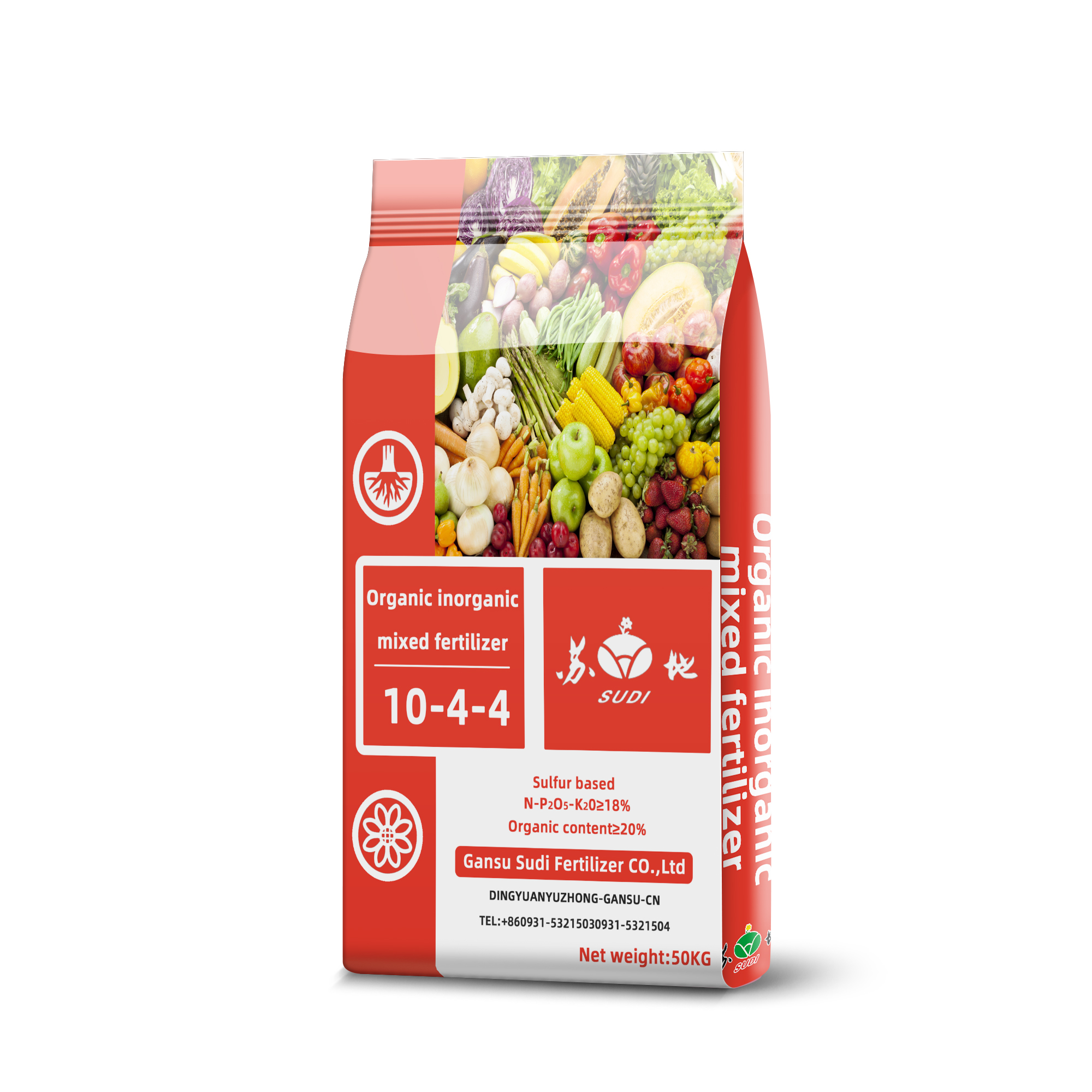
Many modern growers use blended products to balance immediate green-up with long-term feeding. Testing rigorously validates the performance of these complex blends. For example, laboratory analysis can verify the slow-release nature of the organic portion within an organic inorganic fertilizer 10 4 4. By measuring the solubility of different components, labs confirm that the synthetic elements act quickly while the organic base sustains growth over time. You need this data to justify the premium price of hybrid formulations.
Premium crop performance requires more than just primary macronutrients. Identifying essential trace elements separates high-value products from raw, unprocessed manure. A comprehensive micronutrient panel should measure:
Knowing these levels allows you to correct specific soil deficiencies without buying separate, expensive micronutrient packages.
Safety testing protects your farm, your workers, and the end consumer. You cannot afford to skip these rigorous laboratory screenings when using any biological input.
Mandatory tests for biological pathogens are strictly enforced under the Food Safety Modernization Act (FSMA). Composted materials and animal byproducts carry inherent risks. Laboratories must screen every batch for E. coli, Salmonella, and fecal coliforms. Proper composting processes achieve a "log reduction" that destroys these harmful bacteria. Pathogen screening provides the legal proof you need to show your organic fertilizer is safe for application on food crops.
Testing protocols for Lead, Arsenic, Cadmium, and Mercury are highly critical. Heavy metals accumulate in the soil over time and can eventually contaminate plant tissue. Organic sources carry highly variable heavy metal risks. Municipal biosolids often contain elevated levels of industrial heavy metals. Even specific animal byproducts can show trace metals depending on the animal's feed. Laboratories test against safety thresholds established by organizations like AAPFCO. Always demand heavy metal screening results before spreading new material across your acreage.
Applying untested compost can accidentally introduce invasive weed species to your fields. This mistake drives up labor and herbicide costs exponentially. Weed seed viability testing ensures the manufacturing process reached sufficient temperatures to destroy these seeds. Labs typically use germination assays to prove the finished product is entirely weed-free.
Reading a product data sheet requires specific agronomic knowledge. You need to know which metrics indicate a high-performance product and which metrics signal a poor investment.
The C:N ratio is a powerful predictive metric. It tells you whether the product will tie up or release nitrogen in your soil. Soil microbes need nitrogen to digest carbon. If a product has a C:N ratio higher than 25:1, microbes will steal existing nitrogen from your soil, starving your plants. This is called immobilization. Conversely, a C:N ratio below 20:1 ensures rapid mineralization, releasing surplus nitrogen to your crops. Always check this ratio to predict field performance accurately.
These physical metrics directly impact your operational logistics. Moisture content dictates storage stability. High-moisture products mold quickly and clump in the bag. Furthermore, paying freight costs for excess water destroys your purchasing budget. Bulk density measures the weight of the product per cubic foot. You need accurate bulk density data from your organic fertilizer specifications to calibrate your spreading equipment properly. Without this data, you risk over-applying or under-applying the product.
The pH level of your input affects your existing soil microbiome. Highly acidic or highly alkaline products can shock beneficial soil bacteria. Furthermore, incorrect pH levels severely limit nutrient uptake efficiency in the root zone. A balanced pH ensures the product integrates smoothly into your current fertility program without requiring expensive lime or sulfur corrections.
| Testing Metric | Ideal Range (Green Light) | Warning Zone (Red Flag) | Agronomic Impact |
|---|---|---|---|
| C:N Ratio | 10:1 to 20:1 | Above 25:1 | Determines nitrogen release vs. soil tie-up. |
| Moisture Content | 10% to 20% | Above 25% | Impacts freight costs, clumping, and spreader flow. |
| pH Level | 6.0 to 7.5 | Below 5.0 or Above 8.5 | Influences root nutrient uptake and microbial health. |
| Heavy Metals | Below AAPFCO Limits | Approaching limit thresholds | Dictates long-term soil safety and GAP compliance. |
The quality of your fertilizer is only as reliable as the vendor who manufactures it. You must evaluate the supplier's internal quality assurance processes just as harshly as you evaluate their product.
A generic product specification sheet is basically a marketing document. It shows what the product should be. A true Certificate of Analysis (COA) is a legally binding laboratory document. It proves what a specific batch actually contains. Never accept a generic sheet from a year ago. Demand a batch-specific COA that correlates directly to the lot numbers printed on your delivered pallets.
An internal lab report is not sufficient for commercial agriculture. You must vet suppliers based on their use of fully independent testing facilities. Look for ISO 17025 certified labs. Additionally, verify they use OMRI-recognized facilities for organic compliance. Independent testing removes the conflict of interest and guarantees unbiased data.
Mistakes happen in manufacturing. A professional organic fertilizer supplier maintains strict traceability protocols. They should possess clear internal documentation for all raw material sourcing. Ask them to explain their chain of custody. If a pathogen spike occurs, they need an actionable recall process to notify buyers immediately before the product reaches the field.
Do not base your purchasing decisions purely on price-per-ton. Follow this step-by-step framework to compare bids from multiple vendors based on their testing transparency:
Vendors who hesitate or refuse to provide this data should be immediately removed from your bidding process.
High-quality organic agriculture relies entirely on data-driven inputs. You can no longer afford to guess what is inside the bag. The right laboratory tests transform unpredictable organic materials into highly reliable, commercial-grade agronomic tools. By measuring mineralization rates, screening for dangerous pathogens, and analyzing physical specifications, you protect your crop yields and your brand.
When selecting your inputs, use a strict decision matrix. Prioritize suppliers who treat testing as a core feature of their business, not an afterthought. A vendor's willingness to share transparent lab data is the strongest indicator of their overall product quality.
Take action today to secure your supply chain. Contact your current vendors and request a recent, batch-specific COA for your preferred products. Download a comprehensive vendor evaluation checklist and start holding your suppliers to a higher agronomic standard.
A: A reputable supplier must test their products on a strict batch-by-batch basis. Relying on annual averages is highly dangerous. Because raw organic materials constantly fluctuate in composition, every new production run requires independent lab verification to guarantee consistent nutrient levels and ensure pathogen safety.
A: A guaranteed analysis proves exactly what nutrients are inside the fertilizer bag. Conversely, a laboratory soil test proves what nutrients your field actually needs. You must use both tools together. First, test your soil to identify deficiencies. Then, read the guaranteed analysis to select the correct product to fix them.
A: Yes, trace amounts of heavy metals occur naturally in soils and organic materials as background levels. However, dangerous contamination happens when raw materials come from heavily industrialized areas or specific waste streams. Strict threshold testing distinguishes between safe, natural background levels and dangerous, toxic contamination.
A: The C:N (Carbon-to-Nitrogen) ratio dictates the biological breakdown process. Soil microbes require nitrogen to digest carbon. A high C:N ratio (above 25:1) causes microbes to steal nitrogen from the soil, starving your plants. A lower ratio ensures rapid breakdown, releasing highly available nitrogen directly to your crop roots.

