
Please Choose Your Language


Views: 0 Author: Site Editor Publish Time: 2026-09-26 Origin: Site


Packaging hybrid compound fertilizers presents an inherent contradiction. You must combine moisture-sensitive, highly reactive inorganic salts alongside biologically active, degradable organic matter. This combination creates complex physical challenges for long-term storage and international transport. When packaging fails, the business impact hits hard. You will face severe nutrient degradation, unmanageable caking, and sudden bag ruptures during transit. These physical failures ultimately lead to rejected shipments and ruined crop yields. This guide provides procurement and supply chain managers an evidence-based framework. You will learn how to evaluate and select engineered packaging solutions. We will show you how to align these choices directly to your fertilizer properties and real-world supply chain conditions.
Hybrid fertilizers behave unpredictably inside standard bags. They combine two fundamentally opposed material types into a single environment. This forces packaging to handle competing physical and chemical demands simultaneously.
Synthetic nutrients readily absorb moisture from the surrounding air. Components like urea and ammonium nitrate act as powerful desiccants. When ambient humidity breaches the bag, these inorganic salts pull water vapor inward rapidly. This moisture triggers partial dissolution of the granules. As temperatures fluctuate, the dissolved salts recrystallize and fuse together. We call this process caking. Severe caking ruins product flowability. Farmers cannot use clumped fertilizers in mechanical spreaders. The packaging must provide an absolute barrier against atmospheric moisture to protect these synthetic elements.
While inorganic salts need a sealed environment, the organic base complicates matters. Components like peat, composted manure, or humic acid retain residual moisture. They also sustain dormant microbial populations. Under warm storage conditions, this biological matter can awaken. Microbes begin digesting the organic base, releasing carbon dioxide and trace organic gases. If the packaging lacks any breathability, these gases become trapped. Trapped off-gassing causes sealed bags to bloat outward. Eventually, the internal pressure exceeds the material's tensile limits, causing catastrophic ruptures.
The combination of organic and inorganic matter creates a highly corrosive internal environment. Organic acids slowly react against the alkaline synthetic salts. This chemical friction generates corrosive byproducts. These byproducts actively attack weak polymer structures from the inside out. Standard plastics often become brittle over time when exposed to this chemical stress. Your packaging must utilize chemically inert inner liners to resist premature degradation.
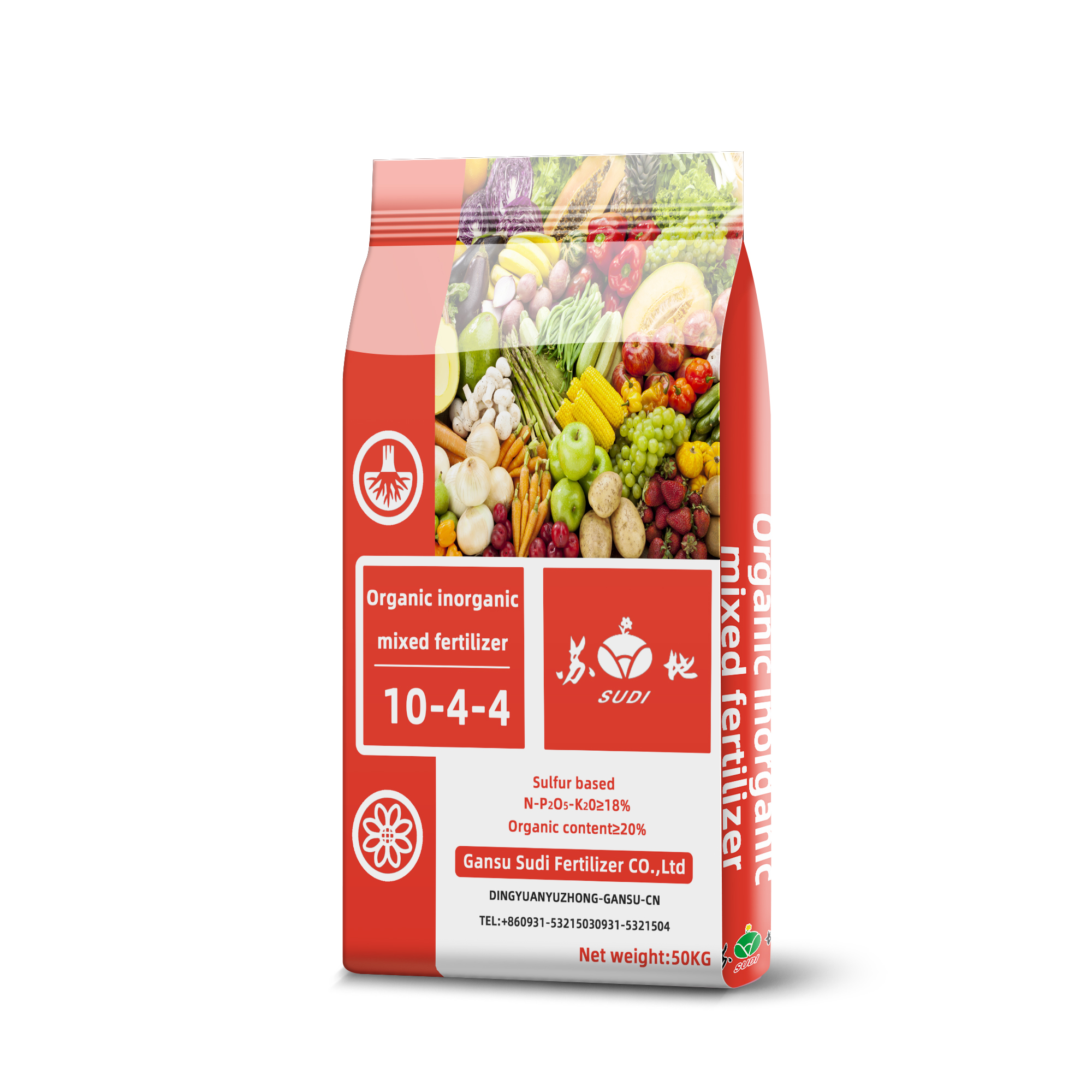
Procuring the right bags requires translating chemical risks into physical polymer standards. You cannot rely on generic packaging classifications. Instead, you must mandate strict technical parameters. Defining your organic inorganic fertilizer specifications ensures consistent product protection.
MVTR measures how much water vapor passes through a packaging film over a specific period. You must establish baseline acceptable metrics for barrier films to prevent moisture ingress. This metric is incredibly crucial for high-nitrogen formulations. For instance, an organic inorganic fertilizer 10 4 4 blend contains significant soluble nitrogen. Nitrogen is highly hygroscopic and demands a very low MVTR rating. We recommend specifying multi-layer films or BOPP laminations to keep transmission rates near zero.
Supply chains subject fertilizer bags to brutal physical punishment. Bags endure multiple loading cycles, rough palletization, and demanding reverse logistics. Tensile strength defines the force required to tear the material. Drop-test ratings simulate real-world impacts.
Distributors frequently store fertilizer pallets outdoors. Prolonged sunlight exposure causes rapid photodegradation in untreated plastics. UV radiation breaks down polymer chains, causing the bags to become brittle and shatter. You must outline the requirement for UV-stabilized masterbatch in external packaging layers. A standard specification requires bags to retain at least 50% of their tensile strength after 200 hours of accelerated UV exposure.
The acidic and alkaline extremes of hybrid fertilizers demand specialized defense. You must highlight the need for chemical resistance. Manufacturers typically achieve this using low-density polyethylene (LDPE) inner liners. These inner liners resist chemical breakdown much better than the outer woven layers. The liner acts as a sacrificial barrier, protecting the structural integrity of the outer bag from internal chemical corrosion.
Not all plastics offer the same protection levels. You must match the specific material architecture to your exact distribution network. Here are the primary packaging formats used for hybrid fertilizers today.
Packaging Material Comparison Chart
| Packaging Type | Primary Advantage | Main Drawback | Best Use Case |
|---|---|---|---|
| BOPP Laminated Woven Bags | Superior printability and extreme moisture block | Higher unit cost; traps internal gases easily | Premium retail products requiring shelf appeal |
| Heavy-Duty PE Bags | Excellent flexibility in freezing temperatures | Lower puncture resistance than woven materials | Cold climate distribution and outdoor storage |
| FIBCs (Bulk Bags) | Massive volume handling and transport efficiency | Requires strict anti-static specification compliance | B2B agricultural operations and large farms |
Biaxially Oriented Polypropylene (BOPP) represents the premium standard. Manufacturers bond a printed film directly onto a woven polypropylene base.
Heavy-duty PE bags rely on thicker single-material construction rather than woven strands.
Bulk bags carry anywhere from 500 to 2000 kilograms of product.
Laboratory specifications only tell half the story. The physical realities of global logistics expose every packaging vulnerability. You must engineer your bags to survive temperature swings, warehouse gravity, and mechanical stress. The best packaging for organic inorganic fertilizer adapts to these environmental extremes.
Fluctuating temperatures cause immediate problems. Moving cold bags into a warm, humid warehouse causes external condensation. More dangerously, temperature drops pull moisture out of the internal organic matter. This causes condensation, or "sweating," inside the bag. This internal moisture accelerates the caking of inorganic components. We recommend deploying specific micro-perforation strategies. Strategic micro-perforations allow internal airflow and pressure equalization. They let gases escape without permitting liquid water droplets to enter from the outside.
The physical realities of warehousing dictate structural design. Bag material choice directly affects pallet stability. Smooth plastics slide against each other, causing multi-ton pallets to lean and collapse. You must specify anti-skid coatings or deeply embossed textures on the bag's exterior. Additionally, you must evaluate the risks of block-stacking unsupported bags. Stacking pallets three levels high places immense downward pressure on the bottom bags. If the tensile strength is too low, the bottom layer will split open under the sustained gravitational load.
How you close the bag is just as important as the material itself. We contrast three primary sealing methods:
Sewn seams inherently punch hundreds of tiny holes through the protective barrier. We emphasize why sewn seams without fold-over tape are a primary failure point. In humid climates, moisture travels straight through the needle holes, ruining the fertilizer near the closure.
Your product's survival depends entirely on your vendor's packaging standards. You cannot assume a supplier uses appropriate materials simply because they manufacture good fertilizer. Selecting a reliable organic inorganic fertilizer supplier requires a rigorous audit of their physical packaging operations.
You must demand hard data before signing procurement contracts. Ask vendors for their accelerated aging test results. Request official MVTR certifications for the exact films they intend to use. Furthermore, verify their compliance with ISO standards. For bulk bags, insist on seeing their ISO 21898 certification, which guarantees the FIBC can safely handle heavy agricultural loads without catastrophic failure.
A static packaging catalog rarely solves complex logistical problems. Evaluate whether the supplier can adjust their material specs. Can they increase the inner liner thickness for monsoon-season shipments? Can they boost the UV-inhibitor percentages in the masterbatch if the destination features a high UV-index climate? Suppliers who control their own packaging extrusion processes offer far better risk mitigation.
Agricultural supply chains face increasingly strict environmental regulations regarding plastic waste. Assess the supplier's commitment to sustainability. Do they use recyclable mono-materials instead of complex, unrecyclable multi-layer foils? Ensuring the packaging meets destination-country environmental mandates prevents costly customs delays and protects your brand's reputation.
Effective packaging for organomineral fertilizers is an engineered barrier, not just a simple container. The unique combination of synthetic hygroscopicity and organic biological activity demands highly customized polymer solutions. Using generic packaging guarantees product degradation and financial loss.
You must align the exact chemical composition of your fertilizer with the precise physical specifications of the packaging. Proper MVTR ratings, UV stabilization, and advanced sealing technologies are non-negotiable requirements for hybrid formulations.
We encourage buyers to audit their current suppliers immediately. Request their technical data sheets and compare those metrics against the environmental realities of your distribution network. Upgrade to BOPP laminations or heavy-duty PE liners to secure your product's integrity from the factory floor to the farmer's field.
A: BOPP laminated woven polypropylene bags with an inner PE liner are generally considered the industry standard. They provide a perfect balance of high moisture resistance, structural strength, and long-term chemical durability.
A: Higher nitrogen (N) content usually increases the hygroscopic nature of the fertilizer. A 10 4 4 blend requires stricter moisture barriers, meaning a lower MVTR, compared to blends with lower soluble salt concentrations to prevent severe caking.
A: Yes, provided they are equipped with high-density moisture-barrier liners and are UV-treated. However, they should still be stored under cover. Extreme temperature fluctuations outdoors will inevitably cause internal condensation and product damage.
A: Micro-perforations allow trapped air and naturally occurring organic gases to escape during the palletization process. This prevents bag rupture from internal pressure while remaining small enough to block external liquid water droplets.

