
Please Choose Your Language


Views: 0 Author: Site Editor Publish Time: 2025-11-04 Origin: Site


Ever wondered how plants get their nutrients? Fertilizers play a crucial role in plant growth. Understanding the difference between organic fertilizer and inorganic fertilizers is essential for effective gardening and farming. In this post, you'll learn what fertilizers are, why their types matter, and the key differences between organic and inorganic fertilizers.
Organic fertilizers come from natural materials such as plants, animals, or their byproducts. These include compost, manure, bone meal, seaweed, and other decomposed organic matter. Because they contain carbon, hydrogen, and oxygen, they are considered living or once-living substances. This natural origin means they feed the soil ecosystem as well as the plants.
There are several types of organic fertilizers, each with unique characteristics:
● Compost: Decomposed organic waste rich in nutrients and beneficial microbes.
● Animal Manure: Waste from livestock, providing nitrogen, phosphorus, and potassium.
● Bone Meal: Ground animal bones, high in phosphorus and calcium.
● Blood Meal: Dried animal blood, a fast-release nitrogen source.
● Seaweed Extract: Rich in micronutrients and growth stimulants.
● Green Manure: Cover crops grown and tilled into the soil to add organic matter.
Organic fertilizers offer multiple advantages:
● Slow Nutrient Release: Nutrients are released gradually as microbes break down organic matter, feeding plants over time.
● Improved Soil Structure: They increase soil porosity and water retention by adding organic material.
● Enhanced Microbial Activity: Boost beneficial soil microbes that aid nutrient cycling and plant health.
● Nutrient Diversity: Provide a wide range of macro- and micronutrients beyond just nitrogen, phosphorus, and potassium.
● Safety: Generally safe for plants, animals, and humans, reducing risk of chemical burns or toxicity.
Organic fertilizers support environmental health by:
● Reducing Chemical Runoff: Their slow nutrient release lowers the risk of pollution in waterways.
● Carbon Sequestration: Adding organic matter helps trap carbon in the soil, mitigating climate change.
● Supporting Biodiversity: Healthy soils foster diverse microbial and insect populations.
● Sustainable Resource Use: Many organic fertilizers are recycled waste products, reducing landfill use.
However, organic fertilizers can be bulky, sometimes smelly, and nutrient levels vary, making precise application more challenging.
Inorganic fertilizers, also known as synthetic or chemical fertilizers, are man-made products designed to supply plants with essential nutrients. Unlike organic fertilizers, they do not contain carbon compounds and are usually made by combining purified minerals and chemicals. The main nutrients in these fertilizers are nitrogen (N), phosphorus (P), and potassium (K), often called macronutrients. These nutrients come from sources such as ammonium nitrate, potassium sulfate, and superphosphate, which are processed to be highly concentrated and readily available for plants.
There are various types of inorganic fertilizers, each tailored to deliver specific nutrients:
● Nitrogen Fertilizers: Such as urea, ammonium nitrate, and ammonium sulfate, provide nitrogen vital for leaf growth.
● Phosphorus Fertilizers: Like superphosphate and triple superphosphate, support root development and flowering.
● Potassium Fertilizers: Including potassium chloride and potassium sulfate, improve overall plant health and disease resistance.
● Compound Fertilizers: These contain a mix of NPK nutrients in specific ratios, allowing precise nutrient management.
● Micronutrient Fertilizers: Provide trace elements like magnesium, iron, or zinc, essential for plant metabolism.
Inorganic fertilizers offer several advantages:
● Fast Nutrient Release: Nutrients dissolve quickly, making them immediately available for plant uptake, which supports rapid growth.
● Precise Nutrient Control: Their exact nutrient composition allows farmers to tailor fertilization to crop needs, avoiding under or overfeeding.
● Ease of Application and Storage: They are usually dry, compact, and easy to transport and apply, especially over large areas.
● Cost-Effectiveness: Often less expensive upfront than organic options, making them attractive for commercial farming.
● Consistency: Nutrient content remains stable, ensuring predictable results.
Despite their benefits, inorganic fertilizers raise environmental issues:
● Nutrient Runoff and Pollution: Excess nutrients can wash into waterways, causing algal blooms and harming aquatic life.
● Soil Degradation: Repeated use may reduce soil organic matter and microbial diversity, impairing soil health.
● Chemical Residues: Some fertilizers contain trace heavy metals like cadmium, which can accumulate in soil and crops.
● Greenhouse Gas Emissions: Production and use contribute to emissions, impacting climate change.
● Dependency: Overreliance can lead to a cycle of continuous application to maintain yields, increasing costs and environmental risks.
Farmers and gardeners must balance these pros and cons when choosing fertilizers, considering crop needs, environmental impact, and long-term soil health.
Tip: When using inorganic fertilizers, apply only the recommended amounts to minimize nutrient runoff and protect nearby water sources.
Organic fertilizers provide a broad array of nutrients, including macronutrients like nitrogen (N), phosphorus (P), and potassium (K), plus many micronutrients such as magnesium, calcium, and iron. These nutrients come from natural sources like compost, manure, bone meal, or seaweed. Their nutrient content varies depending on the source and decomposition stage, making exact nutrient ratios hard to determine.
In contrast, inorganic fertilizers offer precise nutrient content. They contain concentrated forms of N, P, and K, often in exact ratios tailored for specific crops. This precision allows targeted fertilization, ensuring plants get the right nutrients at the right time. However, inorganic fertilizers usually lack the wide range of micronutrients found in organic options.
Organic fertilizers release nutrients slowly. Microorganisms in the soil break down organic matter, gradually making nutrients available. This slow release supports steady plant growth and reduces nutrient loss through leaching or runoff. However, nutrient availability depends on soil microbial activity, temperature, and moisture.
Inorganic fertilizers release nutrients quickly. Their soluble forms dissolve in water, making nutrients instantly available for plant uptake. This fast action promotes rapid growth but can lead to nutrient leaching if over-applied. Also, plants absorb inorganic nutrients directly without needing microbial conversion.
Organic fertilizers improve soil health by adding organic matter. They enhance soil structure, increase water retention, and boost microbial diversity. Healthy soils with active microbes promote nutrient cycling and reduce erosion. Over time, organic inputs build soil fertility and resilience.
Inorganic fertilizers do not add organic matter, so they don’t improve soil structure or microbial life. Repeated use can degrade soil quality by reducing organic content and harming beneficial microbes. This degradation may lead to poor soil aeration and increased erosion risks.
Organic fertilizers tend to be environmentally friendly. Their slow nutrient release lowers the risk of water pollution through runoff. They also support carbon sequestration by increasing soil organic matter, helping mitigate climate change. Using recycled organic waste reduces landfill pressure.
Inorganic fertilizers pose environmental challenges. Excess nutrients can wash into waterways, causing harmful algal blooms and aquatic ecosystem damage. Manufacturing and applying these fertilizers contribute to greenhouse gas emissions. Additionally, some contain trace heavy metals that may accumulate in soils and crops.
Tip: To balance nutrient needs and environmental care, consider combining organic and inorganic fertilizers, using each where their strengths best fit your soil and crop requirements.
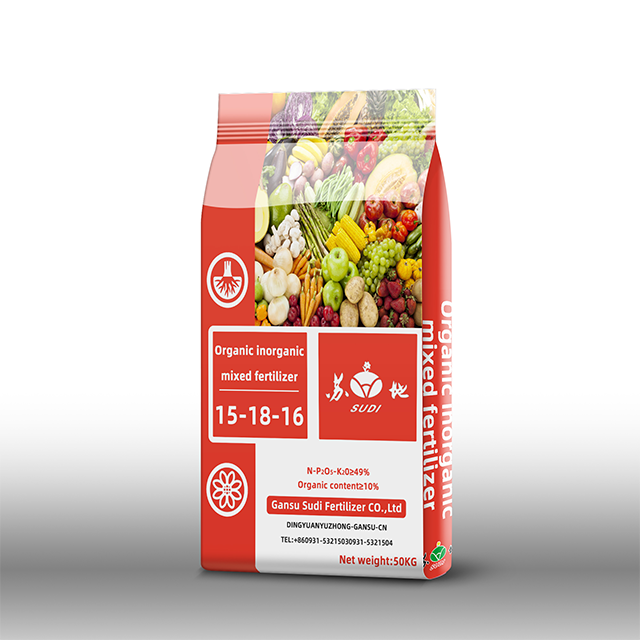
Choosing the right fertilizer starts by understanding your plants' specific nutrient needs and your soil's current condition. Different plants require varying amounts of nitrogen, phosphorus, potassium, and micronutrients. Conducting a soil test helps identify nutrient deficiencies or excesses, guiding you to select a fertilizer that best complements your soil’s profile. For example, leafy vegetables often need more nitrogen, while root crops may require higher phosphorus levels. Matching fertilizer type and nutrient ratios to these needs ensures efficient nutrient use and healthy plant growth.
Sustainability plays an increasingly important role in fertilizer choice. Organic fertilizers support long-term soil health by improving structure, enhancing microbial life, and reducing chemical runoff. They help sequester carbon, contributing to climate change mitigation. In contrast, inorganic fertilizers provide rapid nutrient availability but may lead to soil degradation and environmental pollution if overused. Balancing immediate plant needs with soil and environmental health is key. Many growers opt for integrated approaches, combining organic and inorganic fertilizers to optimize sustainability and productivity.
Cost and availability often influence fertilizer decisions. Inorganic fertilizers tend to be less expensive upfront and widely available, especially for large-scale farming. They are concentrated, easy to store, and simple to apply. Organic fertilizers can be pricier and bulkier, sometimes harder to find in large quantities. However, their long-term benefits to soil fertility may reduce the need for frequent applications, potentially offsetting higher initial costs. Local access to organic materials like compost or manure can also affect affordability and convenience.
Consulting agricultural experts or extension services can provide valuable guidance tailored to your region and crops. Experts can help interpret soil tests, recommend fertilizer types, and suggest application rates. Experimentation is also important—trying different fertilizers and monitoring plant response helps identify what works best in your specific context. Keep records of results to refine your approach over time. Remember, no single fertilizer suits all situations; flexibility and learning are essential for success.
Organic fertilizers play a vital role in building and maintaining healthy soil over time. They add organic matter that improves soil texture, making it more crumbly and easier for roots to grow. This organic matter also helps soil hold water better, reducing the need for frequent watering. Unlike inorganic fertilizers, organic ones feed the soil microbes—tiny organisms that break down nutrients and make them available to plants. Healthy microbial life boosts nutrient cycling, which keeps soil fertile and productive for years. Over time, organic fertilizers help build soil resilience against erosion and compaction.
Using organic fertilizers supports a diverse soil ecosystem. The organic materials serve as food for beneficial bacteria, fungi, insects, and earthworms, all of which contribute to a balanced environment underground. These organisms help control pests naturally, improve soil aeration, and enhance nutrient availability. This biodiversity not only benefits the soil but also helps plants resist diseases and stress. In contrast, heavy use of inorganic fertilizers can harm these beneficial organisms, disrupting the ecosystem balance and reducing long-term soil health.
One of the most important environmental benefits of organic fertilizers is their ability to sequester carbon in the soil. When organic matter is added, it stores carbon that would otherwise be released into the atmosphere as CO2, a greenhouse gas. This process helps reduce the carbon footprint of farming and gardening. Healthy soils rich in organic matter also improve water retention, reducing runoff and erosion, which further protects the environment. By promoting carbon storage and supporting soil health, organic fertilizers contribute to climate change mitigation and sustainable agriculture.
Inorganic fertilizers excel in delivering nutrients precisely. Their nutrient content is measured and standardized, allowing farmers and gardeners to apply exact amounts tailored to crop needs. This precision reduces waste and ensures plants get the right nutrients at the right time. For example, a farmer growing corn can use a specific NPK ratio to optimize growth without overfeeding. This control is especially valuable in large-scale agriculture, where efficiency and cost-effectiveness matter.
One of the biggest advantages of inorganic fertilizers is their quick nutrient release. Because nutrients are in soluble forms, plants absorb them almost immediately after application. This fast action supports rapid growth, useful when crops need a quick nutrient boost during critical growth stages. For instance, applying nitrogen fertilizer just before the vegetative phase can stimulate leaf development quickly. This immediacy helps meet market demands for faster harvests and higher yields.
Despite their practicality, inorganic fertilizers pose environmental challenges. Their fast nutrient release can lead to runoff and leaching, especially when over-applied or used before heavy rains. This runoff pollutes waterways, causing algal blooms and harming aquatic life. Additionally, repeated use may degrade soil health by reducing organic matter and harming beneficial microbes, leading to long-term fertility loss. Some inorganic fertilizers contain trace heavy metals, which can accumulate in soil and crops over time.
Managing these risks requires careful application, soil testing, and adherence to recommended rates. Precision agriculture technologies, like GPS-guided fertilizer spreaders and soil sensors, help minimize environmental impact by applying nutrients only where needed. Combining inorganic fertilizers with organic amendments can also improve soil health and reduce pollution risks.
Organic fertilizers, derived from natural materials, improve soil health and support biodiversity, while inorganic fertilizers offer precise nutrient delivery and fast action. Choosing between them depends on specific plant needs, soil conditions, and sustainability goals. Combining both types can optimize benefits for gardening and farming. Encouraging sustainable practices, such as integrating organic matter, enhances long-term soil fertility. SUDI offers innovative solutions, delivering high-quality products that balance efficiency and environmental care, ensuring value for growers seeking sustainable agricultural success.
A: Organic fertilizer is derived from natural materials such as plants, animals, or their byproducts, including compost, manure, and bone meal, which feed both the soil ecosystem and plants.
A: Organic fertilizers improve soil health by adding organic matter, enhancing soil structure, increasing water retention, and boosting microbial activity, which promotes nutrient cycling.
A: Organic fertilizers offer environmental benefits like reduced chemical runoff, carbon sequestration, and support for biodiversity, while improving long-term soil health.
A: Organic fertilizers can be pricier upfront, but their long-term benefits to soil fertility may offset higher initial costs, reducing the need for frequent applications.
A: Organic fertilizers release nutrients slowly as microbes break down organic matter, while inorganic fertilizers provide fast nutrient availability due to their soluble forms.

