
Please Choose Your Language


Views: 0 Author: Site Editor Publish Time: 2025-11-06 Origin: Site


Are your vegetables not thriving as expected? The secret might lie in the fertilizer you choose. Organic fertilizers, derived from natural sources, offer numerous benefits for vegetable gardens. In this post, you'll learn what organic fertilizers are, their importance in vegetable gardening, and how they compare to synthetic options.
Organic fertilizers come from natural sources like plants, animals, or minerals. Unlike synthetic fertilizers, they release nutrients slowly, feeding plants over time and improving soil health.
Types of Organic Fertilizers:
● Compost: Decomposed plant and kitchen waste rich in nutrients and beneficial microbes.
● Manure: Animal waste that adds nitrogen and organic matter.
● Bone Meal: Ground animal bones, high in phosphorus and calcium.
● Blood Meal: Dried animal blood, a quick nitrogen source.
● Rock Phosphate: Mineral providing phosphorus slowly.
● Kelp Meal: Seaweed-based, rich in potassium and trace minerals.
Plants mainly need three key nutrients: nitrogen (N), phosphorus (P), and potassium (K). These are the macronutrients shown on fertilizer labels as N-P-K ratios.
● Nitrogen (N): Supports leafy, green growth.
● Phosphorus (P): Encourages root development and flowering.
● Potassium (K): Helps overall plant health and disease resistance.
Organic fertilizers typically contain lower nutrient concentrations than synthetic ones but offer a broader range of nutrients, including micronutrients essential for plant health.
Benefits of Organic Fertilizers for Soil Health:
● Soil Structure: Organic matter improves soil texture, aeration, and water retention.
● Microbial Activity: They feed beneficial microbes, fungi, and earthworms that help break down nutrients and protect plants.
● Sustainability: They reduce chemical runoff and pollution, supporting long-term garden health.
● Slow Nutrient Release: Nutrients become available gradually, reducing the risk of burning plants.
For example, adding compost to your vegetable garden not only feeds plants but also builds healthy soil that retains moisture and supports beneficial organisms. This creates a thriving environment for vegetables to grow strong and flavorful.
Table: Common Organic Fertilizers and Key Nutrients
Fertilizer Type | Key Nutrients (N-P-K) | Additional Benefits |
Compost | Variable | Boosts microbes, improves soil |
Manure | Moderate N, P, K | Adds organic matter |
Bone Meal | High P, some Ca | Supports root & flower growth |
Blood Meal | High N | Rapid nitrogen boost |
Rock Phosphate | High P | Slow phosphorus release |
Kelp Meal | Moderate K, trace | Adds micronutrients, growth hormones |
Using organic fertilizers helps maintain a healthy balance in your soil, which is crucial for growing nutritious vegetables.
When choosing an organic fertilizer for your vegetable garden, you’ll often find two main types: solid and liquid. Both support healthy soil and plants but differ in how they deliver nutrients and how you apply them.
Solid organic fertilizers come in forms like compost, manure, bone meal, or granulated products. They usually release nutrients slowly because they need to break down in the soil first. This slow release feeds vegetables steadily over time, which helps avoid overfeeding or burning plants.
● Slow nutrient release: Nutrients become available gradually as microbes decompose the material.
● Soil improvement: Adds organic matter, improving soil structure and water retention.
● Less frequent application: Because nutrients release slowly, you don’t have to apply as often.
● Variety: Includes compost, manure, bone meal, blood meal, and rock phosphate.
● Cost-effective: Often less expensive per application and lasts longer in storage.
● Application: Spread around plants or worked into soil before planting.
One thing to note is that solid fertilizers can sometimes form nutrient “hot spots” if applied too thickly in one area. Plants may avoid roots near these spots due to high salt or nutrient concentrations.
Liquid organic fertilizers are usually extracts or emulsions made from plant or animal sources, like fish emulsion or seaweed extracts. They provide nutrients in a form plants can absorb quickly, making liquids a great option for giving plants a fast nutrient boost.
● Fast absorption: Plants can take up nutrients almost immediately through roots or leaves.
● Uniform application: Easy to spread evenly using watering cans or sprayers.
● Good for quick fixes: Ideal when plants show signs of nutrient deficiency.
● Flexible use: Can be applied as foliar sprays or soil drenches.
● Requires frequent application: Nutrients wash away faster, so you need to apply more often.
● May have lower nutrient concentrations: Sometimes less nutrient-dense than solids.
Liquid fertilizers work well during critical growth stages when plants need an immediate nutrient supply, like during flowering or fruiting.
Deciding which form to use depends on your garden’s needs and your preference:
● For long-term soil health and steady feeding: Solid organic fertilizers like compost or manure are excellent. They build soil structure and feed plants slowly.
● For quick nutrient boosts or foliar feeding: Liquid organic fertilizers are handy, especially if plants show signs of stress or deficiency.
● Combination approach: Many gardeners use both. Apply solid fertilizers before planting, then supplement with liquid feeds during the growing season.
● Consider your time and equipment: Liquids require more frequent applications and sprayers, while solids need spreading tools and time to break down.
● Soil moisture and weather: Liquids can wash away with heavy rain, while solids stay put longer.
For example, you might mix compost into your vegetable beds in early spring, then apply fish emulsion every few weeks to support rapid growth.
Choosing the right organic fertilizer for your vegetable garden depends on several important factors. Understanding your soil type, the specific needs of your vegetables, and how to interpret fertilizer labels can help you pick the best product.
● Soil Type: Different soils hold nutrients differently. Sandy soils drain quickly and may need more frequent feeding, while clay soils hold nutrients longer but can become compacted. Organic fertilizers improve soil structure, but knowing your soil type helps you choose the right formula and application method.
● Vegetable Needs: Leafy greens like lettuce and spinach prefer fertilizers higher in nitrogen for lush growth. Root crops such as carrots and beets benefit from more phosphorus to develop strong roots. Fruiting vegetables like tomatoes and peppers need balanced nutrients, often with higher potassium to support fruit production.
● Growth Stage: Early growth stages require more nitrogen for leaves and stems. When plants flower and fruit, phosphorus and potassium become more important.
Many reliable brands offer organic fertilizers tailored for vegetables. Here are some trusted options:
● True Organic: Certified organic, offers both granular and liquid fertilizers with balanced N-P-K ratios suitable for vegetables.
● Down To Earth: Provides natural fertilizers and soil amendments that improve soil life and plant health.
● Oakdell Compost: Rich in nutrients and beneficial microbes, ideal for building healthy soil.
● Milorganite: A slow-release nitrogen fertilizer, great for steady feeding.
● Revive: Granular fertilizer made from poultry waste, with added iron for greener plants.
These brands are widely available in garden centers and online, often certified by the Organic Materials Review Institute (OMRI), ensuring they meet organic standards.
Fertilizer labels show three numbers representing the percentage of nitrogen (N), phosphorus (P), and potassium (K). For example, a label of 6-3-6 means:
● 6% Nitrogen: Supports leafy growth.
● 3% Phosphorus: Encourages root and flower development.
● 6% Potassium: Boosts overall plant health and fruit quality.
Match the N-P-K ratio to your vegetable’s needs:
Vegetable Type | Suggested N-P-K Ratio | Notes |
Leafy Greens | High N (e.g., 12-4-6) | For vigorous leaf growth |
Root Vegetables | Higher P (e.g., 5-10-5) | Supports root development |
Fruiting Vegetables | Balanced (e.g., 6-6-8) | Promotes flowers and fruits |
Always consider the total amount of fertilizer needed. For example, if a fertilizer has 12% nitrogen and you want to apply 3 pounds of nitrogen per 1,000 sq ft, you’ll need about 25 pounds of that fertilizer (3 ÷ 0.12 = 25).
Applying organic fertilizers properly ensures your vegetables get the nutrients they need without waste or harm. Using the right timing, frequency, and methods helps maximize benefits for your garden.
● Incorporate into soil before planting: Mix solid organic fertilizers like compost or manure into the soil a few weeks before planting. This gives microbes time to break down nutrients for easy uptake.
● Use side dressing during growth: Apply fertilizers alongside growing plants to feed them steadily. Spread compost or granular fertilizers in a band near the base but avoid piling them against stems.
● Water after application: Moisture helps nutrients dissolve and move into the root zone. Water your garden after applying solid or liquid fertilizers to activate them.
● Apply liquid fertilizers as foliar sprays or soil drenches: Foliar feeding allows plants to absorb nutrients quickly through leaves, ideal for addressing deficiencies fast. Soil drenches feed roots directly.
● Avoid over-application: Organic fertilizers release nutrients slowly, so less is often more. Excess can cause nutrient imbalances or burn plants.
● Pre-planting: Add solid organic fertilizers like compost, bone meal, or rock phosphate 2–4 weeks before planting to build a nutrient-rich base.
● Early growth: Use nitrogen-rich fertilizers such as blood meal or fish emulsion to support leaf and stem development.
● Flowering and fruiting: Apply fertilizers higher in phosphorus and potassium, like bone meal or kelp meal, to encourage blooms and fruit set.
● Repeat feeding: Liquid fertilizers may be applied every 2–4 weeks during the growing season for quick nutrient boosts. Solid fertilizers generally need reapplication every 6–8 weeks depending on soil and crop needs.
● Applying too much fertilizer: Overfeeding can burn roots or leaves, stunt growth, and harm beneficial soil microbes. Follow recommended rates and consider soil tests.
● Applying fertilizer too close to plant stems: This can cause root burn or stem damage. Maintain a safe distance when side dressing.
● Ignoring soil moisture: Applying fertilizers on dry soil limits nutrient absorption. Always water after application or apply when soil is moist.
● Applying at the wrong time: Fertilizing late in the season when plants are dormant wastes nutrients and may encourage unwanted growth.
● Using fresh manure directly: Fresh manure can contain pathogens, weed seeds, or high salts. Always compost manure fully before use.
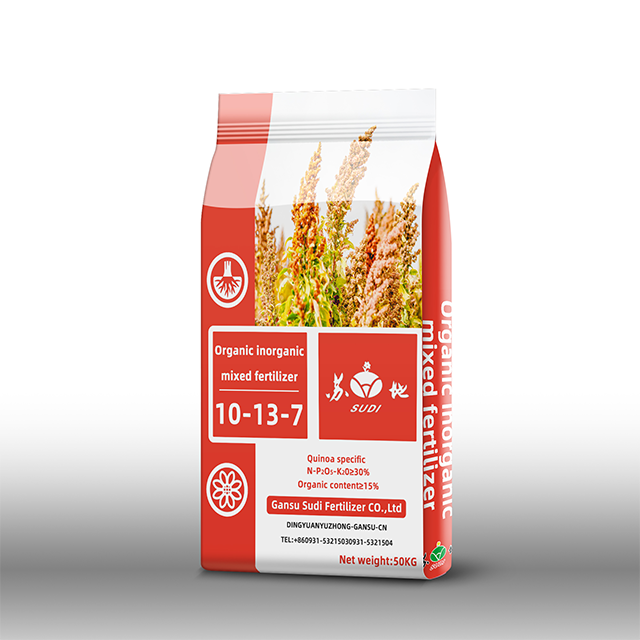
Creating your own organic fertilizer can be rewarding and cost-effective. It lets you control ingredients, tailor nutrients to your vegetables, and recycle kitchen and garden waste.
Compost is one of the easiest and most beneficial DIY fertilizers. You can make it using vegetable scraps, leaves, grass clippings, coffee grounds, and other organic waste. Over time, microbes break down this material into rich, dark humus full of nutrients and beneficial organisms.
To make good compost:
● Collect a mix of green (nitrogen-rich) and brown (carbon-rich) materials.
● Keep the pile moist but not soggy.
● Turn it regularly to add oxygen and speed decomposition.
● Avoid adding meat, dairy, or diseased plants.
Finished compost improves soil structure, moisture retention, and nutrient availability. It’s perfect for mixing into vegetable beds or using as a top dressing.
Some natural mineral amendments provide specific nutrients vital for vegetables:
● Rock Phosphate: Supplies phosphorus slowly, which supports root growth and fruit development. It’s especially helpful for root crops and flowering vegetables.
● Bone Meal: High in phosphorus and calcium, it promotes strong roots, flowers, and fruits. It’s great for tomatoes, peppers, and beans.
These amendments should be mixed into soil before planting to allow time for microbes to make nutrients available.
You can blend raw materials to create fertilizers tailored to your vegetables’ needs. Here are some examples:
● For Leafy Greens (high nitrogen):4 parts alfalfa meal (slow nitrogen)
○ 1 part blood meal (quick nitrogen boost)
○ 1 part kelp meal (trace minerals and potassium)
● For Root Vegetables (higher phosphorus):3 parts bone meal
○ 2 parts rock phosphate
○ 1 part greensand (potassium and micronutrients)
● For Fruiting Vegetables (balanced nutrients):3 parts compost
○ 2 parts kelp meal
○ 1 part fish meal (nitrogen and trace elements)
Mix these ingredients thoroughly and apply according to your garden size. Typically, use about 4-6 quarts per 100 square feet before planting.
Growing healthy vegetables with organic fertilizers comes with some challenges. Understanding nutrient deficiencies, soil pH adjustments, and organic pest and disease control helps you get the most from your garden.
Vegetables need a balanced supply of nutrients. Deficiencies show in visible symptoms:
● Nitrogen deficiency: Yellowing older leaves, slow growth.
● Phosphorus deficiency: Dark green or purplish leaves, weak roots.
● Potassium deficiency: Leaf edges turn brown or scorched, poor fruit quality.
● Calcium deficiency: Blossom end rot in tomatoes, tip burn in leafy greens.
● Magnesium deficiency: Yellowing between leaf veins.
If you notice these signs, testing your soil can confirm which nutrients are missing. Organic fertilizers can then be chosen to supply those specific nutrients, such as blood meal for nitrogen or bone meal for phosphorus.
Soil pH affects how well plants absorb nutrients. Most vegetables prefer a slightly acidic to neutral pH (6.0 to 7.0). Outside this range, nutrients may become locked up or toxic.
● Too acidic (pH below 6): Nutrients like phosphorus become less available.
● Too alkaline (pH above 7.5): Iron and manganese deficiencies can occur.
To adjust pH:
● Raise pH: Add agricultural lime or dolomite lime. Apply 6 weeks before planting.
● Lower pH: Use elemental sulfur carefully, preferably in spring. It takes time to work and can harm roots if misapplied.
Regular soil testing is key to monitoring pH and maintaining it within the ideal range for your vegetables.
Healthy soil from organic fertilizers supports plants in resisting pests and diseases. Still, organic gardeners must manage threats carefully:
● Use beneficial insects: Ladybugs, lacewings, and predatory nematodes control pests naturally.
● Apply neem oil or insecticidal soaps: These are safe, organic options to manage insect outbreaks.
● Practice crop rotation: Prevents buildup of pests and diseases in the soil.
● Remove diseased plants promptly: Stops spread to healthy crops.
● Maintain good garden hygiene: Clear weeds and debris that harbor pests.
Organic fertilizers improve plant vigor, helping vegetables better withstand stress and attack.
Organic fertilizers improve soil health and provide essential nutrients for vegetables. They release nutrients slowly, enhancing plant growth and sustainability. Choose fertilizers based on soil type, vegetable needs, and growth stages. For best results, use a combination of solid and liquid fertilizers. Sustainable gardening practices, such as composting and organic pest control, further enhance garden health. Consider SUDI's products for effective, eco-friendly solutions that boost vegetable growth and soil vitality.
A: Organic fertilizer comes from natural sources like plants, animals, or minerals, releasing nutrients slowly to improve soil health and feed vegetables over time.
A: Apply solid organic fertilizers like compost before planting and use liquid fertilizers during growth for quick nutrient boosts, ensuring proper watering after application.
A: Organic fertilizers enhance soil structure, support microbial activity, and offer sustainable nutrient release, reducing chemical runoff and pollution.
A: Organic fertilizers are often cost-effective per application and improve soil health long-term, though they may have lower immediate nutrient concentrations.
A: They provide essential nutrients gradually, improve soil texture, and support beneficial organisms, creating a thriving environment for vegetables.
A: Solid fertilizers release nutrients slowly and improve soil structure, while liquid fertilizers offer quick nutrient absorption and are ideal for addressing deficiencies.
A: Avoid over-application, ensure proper soil moisture, and apply fertilizers at the right time to prevent nutrient imbalances or plant damage.

