
Please Choose Your Language


Views: 0 Author: Site Editor Publish Time: 2026-02-19 Origin: Site


When growing plants, whether for personal enjoyment in a garden or for agricultural purposes, one of the most critical aspects to consider is the nutrition provided through fertilizers. NPK ratio—referring to the balance of nitrogen (N), phosphorus (P), and potassium (K)—is a key factor in determining the right fertilizer for plant health. Selecting the right NPK ratio is essential to ensure your plants get the right amount of each nutrient for their specific growth stage.
At SUDI FERTILIZER, we understand that choosing the right fertilizer can be a challenge. Our goal is to help you make informed decisions about the best NPK ratios to promote healthy plant growth. Whether you're cultivating vegetables, fruits, or flowers, understanding the role of each nutrient is crucial to achieving the best possible results. This article will explain the different NPK ratios, why they matter, and how you can use them to help your plants grow more efficiently.
By the end of this article, you will know how to choose the right NPK ratio based on your soil, plant type, and growth stage. Whether you're new to fertilizing or looking for specific advice, we have all the information you need to make the best choice for your crops.
Choosing the right NPK ratio depends on the type of plants you're growing and their specific growth needs. There are two main types of NPK ratios: balanced ratios and purpose-driven ratios.
A balanced ratio means that the fertilizer contains roughly equal proportions of nitrogen, phosphorus, and potassium. These fertilizers are ideal for plants that need a steady, balanced supply of nutrients throughout their growth cycle. A common balanced fertilizer ratio is 10-10-10 or 20-20-20. These ratios are typically used for general-purpose applications and are suitable for a variety of plants at different growth stages.
Advantages of Balanced Ratios:
Versatility: A balanced fertilizer like 20-20-20 can be used on a variety of crops and plants, ensuring they receive a consistent supply of the necessary nutrients.
Simplicity: Using a balanced fertilizer reduces the need to frequently adjust the fertilizer mix based on the plant’s growth stage.
Steady Growth: Balanced fertilizers support steady and consistent growth without overwhelming the plant with too much of any particular nutrient.
Purpose-driven ratios are designed to meet the specific nutritional needs of plants during certain growth stages. For example, a 15-30-15 ratio is typically used for flowering plants or fruit-bearing crops that need more phosphorus to promote flowering and fruit production. Similarly, a 30-10-10 ratio would be ideal for leafy vegetables that require higher nitrogen levels to promote strong vegetative growth.
Advantages of Purpose-Driven Ratios:
Targeted Nutrition: These fertilizers are formulated to meet the specific needs of plants at various stages of growth. For example, 10-20-10 promotes flowering, while 15-30-15 enhances fruit development.
Enhanced Results: By targeting specific growth stages or plant types, purpose-driven fertilizers ensure that plants get the exact nutrients they need at the right time.
Tailored to Specific Crops: Some crops, such as fruit trees or flowering plants, require more focused nutrient delivery to maximize yield, and purpose-driven ratios are ideal for these plants.
Different plants have unique nutritional requirements at various stages of their life cycle. A good NPK ratio depends on the type of crop and the specific nutrients it needs at that time. Here’s a guide to some of the most common NPK ratios and their best uses:
Crop Type | Suggested Ratio | Reason |
Vegetables | 5-10-10 | Focus on fruit and root support |
Lawns | 3-1-2 | Emphasis on leaf growth |
Flowering Plants | 10-20-10 | Encourages bloom production |
Fruiting Crops | 15-30-15 | Supports fruit development |
5-10-10 (Vegetables): A ratio like 5-10-10 is ideal for vegetables, as it promotes strong root growth and supports fruit production. This ratio ensures the plant has enough phosphorus for root development and enough potassium for disease resistance.
3-1-2 (Lawns): For lawns, a fertilizer with a high nitrogen content and lower phosphorus and potassium is beneficial. The 3-1-2 ratio provides the nutrients needed for lush, green grass, focusing on leaf growth.
10-20-10 (Flowering Plants): Flowering plants need more phosphorus to help stimulate strong flowers and blooms. The 10-20-10 ratio is designed to boost bloom production while maintaining overall plant health.
15-30-15 (Fruiting Crops): For plants like tomatoes, peppers, or fruit trees, the 15-30-15 ratio provides more phosphorus and potassium, which helps improve flower and fruit quality and enhances overall fruit production.
Understanding these ratios ensures that your plants get the exact nutrients they need at different growth stages, leading to healthier plants and better yields.
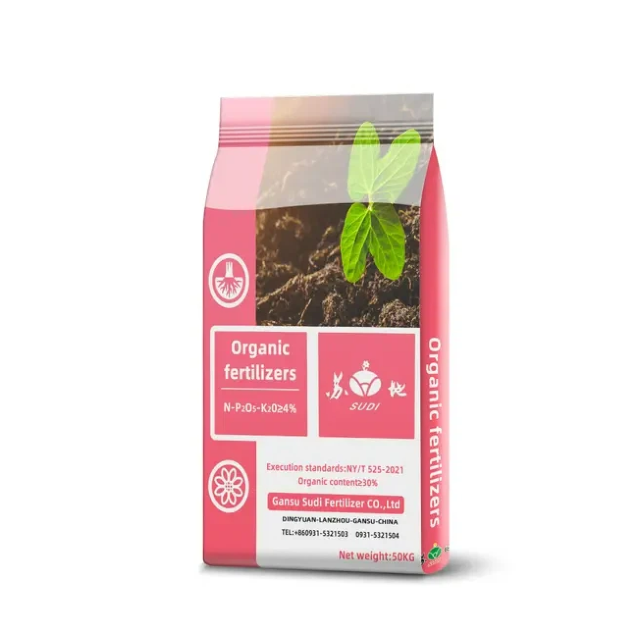
Soil testing is a critical step in choosing the right NPK ratio for your plants. By testing your soil, you can understand what nutrients are present and which ones might be lacking. This allows you to select the appropriate fertilizer to address any deficiencies.
Soil testing is essential because it provides valuable insights into the nutrient levels already present in your soil. If your soil is already high in nitrogen, for example, applying a fertilizer with a high nitrogen ratio could cause nutrient imbalance or even damage your plants. Soil testing enables you to tailor your fertilizer application to meet the exact needs of your plants.
High Nitrogen (N): If your soil already has plenty of nitrogen, look for fertilizers with a lower nitrogen content to avoid over-fertilizing. Using a high-nitrogen fertilizer like 30-10-10 could overwhelm your plants and lead to excessive leaf growth without fruit production.
Low Phosphorus (P): If your soil is phosphorus-deficient, a fertilizer like 10-20-10 would help replenish phosphorus and support root and flower development.
Low Potassium (K): If potassium levels are low, look for fertilizers with higher potassium content, such as 15-30-15, to improve fruit quality and disease resistance.
Soil testing helps you determine which nutrients are deficient, allowing you to choose the right NPK ratio to address those deficiencies.
As your plants grow, their nutrient requirements change. The ideal NPK ratio will differ depending on whether your plant is in the seedling stage, the vegetative phase, or the flowering/fruiting phase.
In the early stages, plants need phosphorus to establish strong roots. A fertilizer like 5-10-10 or 10-15-10 will support root growth and give the plant a healthy start.
During the vegetative stage, plants require more nitrogen for healthy leaf and stem development. Fertilizers with a higher nitrogen content, like 20-10-10, are ideal for encouraging vigorous leaf growth.
When plants enter the flowering and fruiting stages, their need for phosphorus and potassium increases. A fertilizer like 10-20-10 or 15-30-15 will provide the necessary nutrients to encourage blooms and improve fruit size and quality.
While selecting the correct NPK ratio is crucial, it’s also easy to make mistakes if you’re not careful. Here are some common mistakes to avoid:
Using a fertilizer with too much nitrogen during the flowering phase can encourage excessive vegetative growth at the expense of flower and fruit production. During this phase, the plant requires more phosphorus and potassium than nitrogen.
Potassium is essential for enhancing fruit quality and disease resistance, but it is often overlooked. Be sure to choose a fertilizer with sufficient potassium content, especially when growing fruit-bearing crops.
Choosing the right NPK ratio is essential to promoting plant health and ensuring robust growth. By understanding the needs of your plants at different stages, you can choose a fertilizer that provides the necessary nutrients. Whether you’re growing vegetables, flowers, or fruit crops, a tailored NPK ratio will help you achieve the best possible results.
At SUDI FERTILIZER, we offer a wide range of high-quality NPK fertilizers, customized to meet the needs of your crops. Our products are designed to optimize plant health and improve yields, whether you need a general-purpose fertilizer or a specialized mix for specific growth stages. If you’re unsure about which NPK ratio is right for you, contact us today to learn more about our products and get expert advice tailored to your needs.
1. What is the best NPK ratio for vegetables?
For vegetables, 5-10-10 is a commonly recommended ratio, as it promotes strong root growth and supports fruit production.
2. How do I know if my soil needs more nitrogen, phosphorus, or potassium?
Soil testing provides valuable information about the nutrient levels in your soil, helping you determine which nutrients are lacking and choose the right NPK ratio.
3. Can I use a balanced NPK fertilizer for all plants?
A balanced fertilizer like 20-20-20 is ideal for general use, but specialized plants in different growth stages may require specific NPK ratios.
4. Why is potassium important for fruiting plants?
Potassium helps plants manage stress, enhances fruit quality, and improves disease resistance, making it crucial for fruiting plants.

