
Please Choose Your Language


When you see a bag of fertilizer with a label reading NPK followed by three numbers, you may wonder: What does NPK stand for, and how does it relate to plant health? Understanding NPK is essential for anyone involved in gardening, farming, or any form of plant care. As a company committed to providing high-quality fertilizers, SUDI FERTILIZER is here to guide you through the basics of NPK and why understanding it can help you make better fertilizer choices for your plants. Whether you are a beginner or a seasoned gardener, learning about NPK ratios and their significance will allow you to optimize plant nutrition, improve yields, and avoid common fertilization mistakes.
In this article, we will break down what NPK stands for, explain how nitrogen, phosphorus, and potassium contribute to plant growth, and explore why the order of these elements matters. We will also discuss how to interpret NPK fertilizer labels and give you the tools you need to make informed decisions for your plants.
The NPK ratio is a key element of any fertilizer label. This ratio tells you the percentages of nitrogen (N), phosphorus (P), and potassium (K) in the fertilizer mix. Each of these three nutrients serves a specific and important function in plant development. Let’s take a closer look at each:
Nitrogen (N) is one of the most important nutrients for plant growth, especially during the vegetative stage. It plays a central role in:
Leaf Growth: Nitrogen is essential for the synthesis of chlorophyll, the molecule plants use to absorb sunlight and convert it into energy through photosynthesis. This leads to robust leaf growth and healthy, vibrant foliage.
Protein Formation: Nitrogen also helps plants build proteins, which are vital for cell growth and overall plant health.
Deficiency in nitrogen often results in yellowing leaves, stunted growth, and a general lack of vigor.
Phosphorus (P) is key for:
Root Development: Phosphorus is a major player in the development of roots. It stimulates root growth and helps plants establish a strong root system, which is crucial for water and nutrient uptake.
Flowering and Fruiting: Phosphorus is also involved in the production of flowers and fruits. It supports energy transfer and plays a role in the formation of DNA, RNA, and other vital molecules.
Phosphorus deficiency typically results in poor root mass and delayed flowering or fruiting.
Potassium (K) is often referred to as the "quality" nutrient because it:
Increases Stress Resistance: Potassium helps plants fight off diseases and stressors like drought, cold, or high salinity.
Strengthens Cell Walls: This nutrient is essential for the development of strong cell walls and stems, which allows plants to better withstand physical stress.
Improves Fruit and Flower Quality: Potassium plays a significant role in improving fruit size, color, and overall quality. It also enhances the flavor and nutritional value of fruits and vegetables.
Potassium deficiency is often indicated by weak stems and poor fruit quality, and the plant may also become more susceptible to disease and pests.
You may have noticed that NPK is always listed in the same order: Nitrogen - Phosphorus - Potassium. But why is this the case?
The order of the nutrients follows a standardized convention and is important for understanding the balance of each component. The arrangement is designed to indicate the primary emphasis of the fertilizer:
N (Nitrogen) typically comes first because it is the most critical nutrient for the initial stages of growth, such as when a plant is establishing its leaves and stems.
P (Phosphorus) is next, as it supports root development and the transition to the flowering and fruiting stages.
K (Potassium) comes last, as it plays a major role during the later stages of plant growth, improving the overall quality and strength of the plant, particularly in fruiting and flowering.
Understanding this order helps growers know which nutrient their plants will benefit from most during different growth phases.
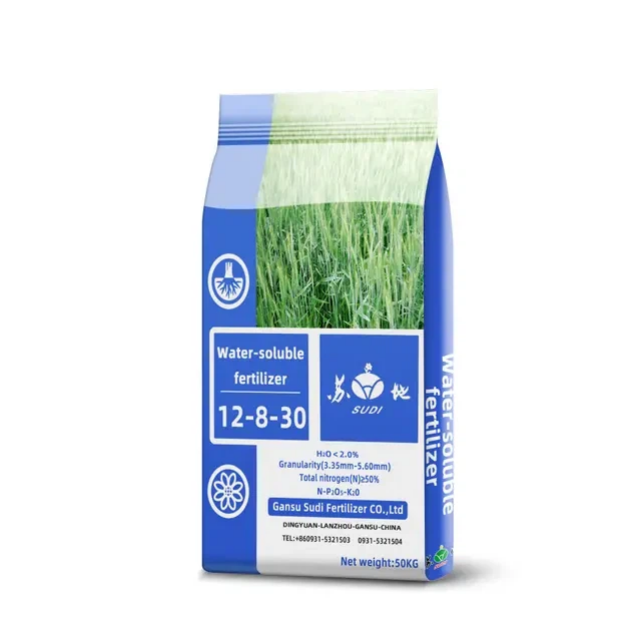
Now that we know what NPK stands for, let’s take a look at how different NPK ratios affect plant growth. There are two main types of ratios:
Balanced Ratios
These fertilizers contain equal or near-equal percentages of N, P, and K (e.g., 20-20-20). They are designed to support plants at all stages of growth and are ideal for general use.
Specialized Ratios
Specialized fertilizers, on the other hand, are designed for specific growth stages or plants with particular needs. For example, a ratio like 10-20-10 is often used for plants that need more phosphorus for flowering, while 15-30-15 might be chosen for crops that require higher levels of potassium for stronger fruit.
Here’s a quick comparison of typical ratios:
Fertilizer Type | NPK Ratio | Best Use |
Balanced | 20-20-20 | General-purpose, all stages of growth |
Root Development | 10-20-10 | Promotes strong root growth |
Flowering | 15-30-15 | Boosts flowering and fruiting |
Vegetative | 30-10-10 | For leafy plants and vegetative growth |
To help you visualize the role of each nutrient, here’s a quick reference guide:
Nutrient | Role in Plant | Typical Deficiency Sign |
N | Leaf growth, chlorophyll | Yellowing leaves, stunted growth |
P | Root development, flower formation | Poor root mass, delayed flowering |
K | Stress resistance, cell wall strength | Weak stems, poor fruit, disease susceptibility |
This table provides a snapshot of how each nutrient contributes to plant growth and what signs to look for if a nutrient is deficient.
The NPK ratio you choose for your plants can significantly impact their growth and yield. Let’s break down the differences between balanced and skewed ratios and how they affect plants:
Balanced Ratios (e.g., 20-20-20): These fertilizers provide a well-rounded nutrient profile, making them suitable for most plants, especially in the early stages. They ensure that plants receive the necessary nutrients to develop healthy roots, leaves, and flowers without any specific nutrient deficiencies.
Skewed Ratios (e.g., 30-10-10): A higher nitrogen ratio, for instance, is great for leafy plants such as lettuce or spinach, but may not be ideal for flowering or fruiting plants. These plants might need more phosphorus and potassium to promote healthy blossoms and fruits.
When choosing NPK fertilizers, reading and understanding the label is crucial. Here are some simple tips to help first-time buyers:
Look at the Ratio: The first number represents nitrogen (N), the second number represents phosphorus (P), and the third number represents potassium (K).
Match the Ratio to Your Plant's Needs: For leafy vegetables, a higher nitrogen ratio is beneficial. For flowers or fruits, look for fertilizers with higher phosphorus and potassium.
Understand Your Soil: Before choosing a fertilizer, it's important to know what your soil lacks. A soil test can guide you in selecting the right NPK ratio to address deficiencies.
Understanding NPK is key to making informed decisions about the right fertilizer for your plants. Whether you're growing vegetables, flowers, or fruits, knowing what each nutrient does and how to balance them will ensure your plants get the nutrition they need. At SUDI FERTILIZER, we provide a variety of NPK fertilizers with tailored ratios to meet the specific needs of your crops at every stage of growth. Our fertilizers are designed to optimize plant health, improve yields, and promote sustainable growth.
If you’re unsure which fertilizer to choose, contact us today, and our experts will help you select the perfect solution for your gardening or farming needs.
1. What does NPK stand for?
NPK stands for Nitrogen (N), Phosphorus (P), and Potassium (K), three essential nutrients that are crucial for plant growth.
2. Why is NPK important for plant growth?
Each nutrient in the NPK ratio plays a vital role in different stages of plant growth. Nitrogen promotes leaf growth, phosphorus supports root and flower development, and potassium improves stress resistance and fruit quality.
3. How do I choose the right NPK fertilizer for my plants?
Look for fertilizers with ratios that match your plant’s growth stage. Leafy vegetables need more nitrogen, while flowering and fruiting plants need higher phosphorus and potassium.
4. Can I use the same NPK fertilizer for all plants?
While NPK fertilizers with balanced ratios (e.g., 20-20-20) can be used for most plants, some plants may benefit from specialized fertilizers with a higher concentration of specific nutrients.

