
Please Choose Your Language


Views: 0 Author: Site Editor Publish Time: 2026-02-23 Origin: Site


Proper fertilization is one of the most important factors for growing healthy, strong plants. However, many gardeners and farmers often struggle with the correct way to mix NPK fertilizer for their plants. Understanding the basics of fertilizer mixing, especially NPK mixing, is crucial for optimizing plant growth and ensuring that your plants receive the right amount of nutrients.
At SUDI FERTILIZER, we offer a variety of NPK fertilizers that are customized to meet the specific needs of different plants. Whether you are using NPK fertilizers for your home garden or on a larger agricultural scale, understanding how to properly mix and apply fertilizers will improve your results significantly. This guide will walk you through the essential tools and steps for mixing NPK fertilizer correctly, as well as tips for the best practices and common troubleshooting tips.
Before you start mixing NPK fertilizers, it's important to have the proper tools and safety equipment to ensure a safe and effective process.
To get started with NPK mixing, you’ll need the following equipment:
Measuring Cup or Scale: Precision is key when it comes to mixing fertilizers. A scale or measuring cup will ensure that you use the correct amount of NPK fertilizer per gallon or liter of water.
Mixing Container: A clean, large container or bucket is required to mix the fertilizer solution. Make sure it is large enough to handle the volume of water and fertilizer you are using.
Stirring Rod or Stick: A stirring rod or stick is necessary to mix the fertilizer and water thoroughly, ensuring even distribution of nutrients.
Watering Can or Sprayer: Once the mixture is prepared, you will need a watering can or sprayer to apply the fertilizer to the plants.
Fertilizers, particularly NPK fertilizers, can be caustic and may cause skin or eye irritation. It’s important to take the following safety precautions:
Wear gloves to avoid direct contact with fertilizer.
Use protective eyewear to prevent any accidental splashes into the eyes.
Wear a mask if working with powdered fertilizers, to avoid inhaling dust particles.
Ensure good ventilation in the area where you mix fertilizers, particularly if you are using chemicals or concentrated formulas.
Store chemicals properly in sealed containers and out of reach of children and pets.
By following these safety tips, you can minimize any risks associated with handling fertilizers.
Mixing NPK fertilizer is not a complicated process, but precision is important. Here is a simple, step-by-step guide to help you get the right mixture for your plants:
Calculate the Amount of Fertilizer: Start by determining the amount of NPK fertilizer you will need. The amount varies depending on the type of fertilizer and the plant’s specific needs. For example, if your plant requires a concentration of 10 grams of fertilizer per liter of water, measure out that amount.
Follow Instructions: Always read the manufacturer's guidelines on the NPK fertilizer label for the recommended amount for the specific plant you are feeding. Using too much fertilizer can harm your plants, while too little may not provide sufficient nutrients.
Mix the Fertilizer in Water: After measuring, place the fertilizer into your container and add the appropriate amount of water. Use lukewarm or cool water for dissolving the fertilizer. Stir the mixture gently to dissolve the fertilizer evenly into the water. Ensure that no granules are left undissolved. If using liquid fertilizer, just shake the bottle well before applying.
Ensure Proper Mixing: Stir thoroughly, making sure the fertilizer is completely dissolved in the water. This ensures that the nutrients are evenly distributed and that your plants get a consistent nutrient solution.
Water the Plants: Once your NPK fertilizer mixture is ready, it’s time to apply it to your plants. Use a watering can or sprayer for easy application. If you’re applying a foliar spray, mist the fertilizer lightly on the leaves. If using a soil drench, apply the solution directly to the base of the plant.
Avoid Over-Application: Apply only the recommended amount. Over-fertilization can lead to nutrient burn, where your plants will show signs of damage such as yellowing or wilting leaves. It’s always better to apply in smaller, more frequent doses than to overdo it all at once.
Here’s a quick reference table for the most common NPK mixing methods and the correct proportions:
Method | NPK Qty | Water | Use |
Foliar Spray | X g | 1 L | Quick uptake |
Soil Drench | X g | 10 L | Long-term feed |
Foliar Spray: This method is used for quick nutrient uptake, particularly for leaf-heavy plants. The fertilizer is diluted and sprayed directly onto the leaves.
Soil Drench: This method is designed for deeper, long-term feeding. It involves applying a larger volume of diluted fertilizer directly to the soil around the plant roots. This method allows the plant to absorb nutrients over time, making it ideal for larger plants or crops.
You can adjust the exact amounts according to your specific product recommendations and plant requirements.
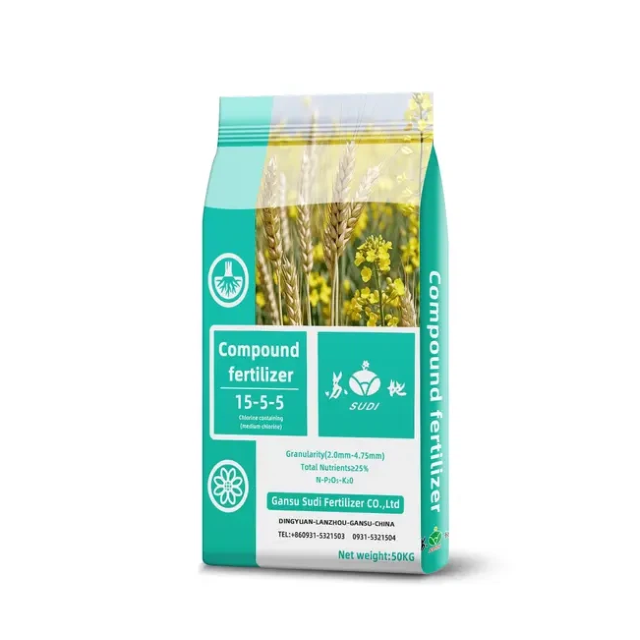
When applying NPK fertilizers, it’s important to follow best practices to get the most out of your fertilizer mix.
Morning or Evening: For optimal nutrient absorption, it’s best to apply NPK fertilizer in the morning or evening when temperatures are cooler and plants are not stressed by the heat of the sun. Applying fertilizer during midday can lead to evaporation, wasting the nutrients.
Before Rain: If you are applying a soil drench, it’s best to apply it just before rainfall. This will help the fertilizer soak into the soil more effectively.
Before applying NPK fertilizer to your entire garden or crop, test it on a small section first. This will allow you to gauge how the plants react and ensure that the mix is appropriate for their needs.
Even with careful mixing, there are some common issues that can arise during fertilizer application. Here are a few things to watch for:
Yellowing Leaves: This may indicate nitrogen burn, which happens when the plant receives too much nitrogen.
Wilting or Browning: Over-application of NPK fertilizer can lead to burning of the roots, causing wilting or browning of plant leaves.
Root Damage: In severe cases, too much fertilizer can damage the plant’s root system. Always stick to recommended application rates to avoid this.
Clumps of Fertilizer: If you notice undissolved granules in your fertilizer solution, it could result in uneven nutrient distribution. Be sure to stir the mixture thoroughly, and if necessary, use a fine strainer to remove any undissolved particles before applying.
NPK mixing doesn’t have to be complicated. By following the simple steps outlined above, you can ensure that your plants receive the right amount of nutrients for healthy growth. Whether you’re applying a foliar spray for quick nutrient uptake or using a soil drench for long-term feeding, proper NPK fertilizer mixing ensures that your plants get the nutrition they need without the risk of over-fertilization.
At SUDI FERTILIZER, we offer a wide range of NPK fertilizers designed for various plant types and growth stages. Our products are customized to meet the needs of your crops, helping you achieve better yields and healthier plants. If you’re unsure about how to mix or apply fertilizers, feel free to contact us for personalized advice and support.
1. How often should I mix NPK fertilizer for my plants?
The frequency of NPK mixing depends on the plant type and growth stage. For most plants, applying NPK fertilizer every 2-4 weeks is sufficient.
2. Can I use the same NPK mix for all types of plants?
While NPK fertilizers are versatile, some plants, such as flowering or fruiting plants, may require specific NPK ratios tailored to their needs. Adjust the mix according to the plant type.
3. What happens if I over-mix the fertilizer?
Over-mixing NPK fertilizer can lead to high nutrient concentrations, which may burn the plant roots and cause leaf damage. Always follow recommended dosages and application rates.
4. Should I apply NPK fertilizer during the daytime or night?
It's best to apply NPK fertilizers during the morning or evening when the weather is cooler, as this helps the nutrients absorb more effectively.

