
Please Choose Your Language


Views: 0 Author: Site Editor Publish Time: 2026-10-16 Origin: Site


Did you know the global agricultural inputs market is undergoing a rapid structural shift? Traditional broadcast methods have historically wasted valuable water and essential nutrients. This outdated approach leads to severe economic loss and environmental strain. In contrast, precision fertigation solves this growing challenge directly at the root zone. As an irrigation engineer, I see this transformation daily in the field. Let us explore key market trends and examine how this technology fundamentally changes modern farming from the ground up.
Precision fertigation represents a highly controlled agricultural practice delivering water and essential nutrients simultaneously to crops. Growers no longer drag heavy machinery across a field to apply dry granules to the soil surface. Instead, they dissolve specific nutrient blends into a central irrigation hub. This method ensures the exact required dosage reaches the active root zone precisely when the plant needs it.
Field guidelines dictate that this technique requires careful calculation of water flow rates, soil moisture levels, and crop growth stages. The system relies heavily on advanced monitoring tools, sensors, and automated dosing pumps. Integrating water management with nutrient delivery allows farm operators to maintain optimal soil conditions. You effectively eliminate the risk of underfeeding or overfeeding your crops.
Specifically, this methodology relies entirely on the quality of the inputs. Standard granular products simply fail in these modern systems because they contain insoluble materials. As an engineer, I can tell you that clogging a micro-sprinkler network halfway through a growing season is a costly nightmare. I have seen entire drip lines ruined by poor-quality inputs. Therefore, the rise of precision fertigation creates a direct structural demand for high-purity, fully soluble formulations.
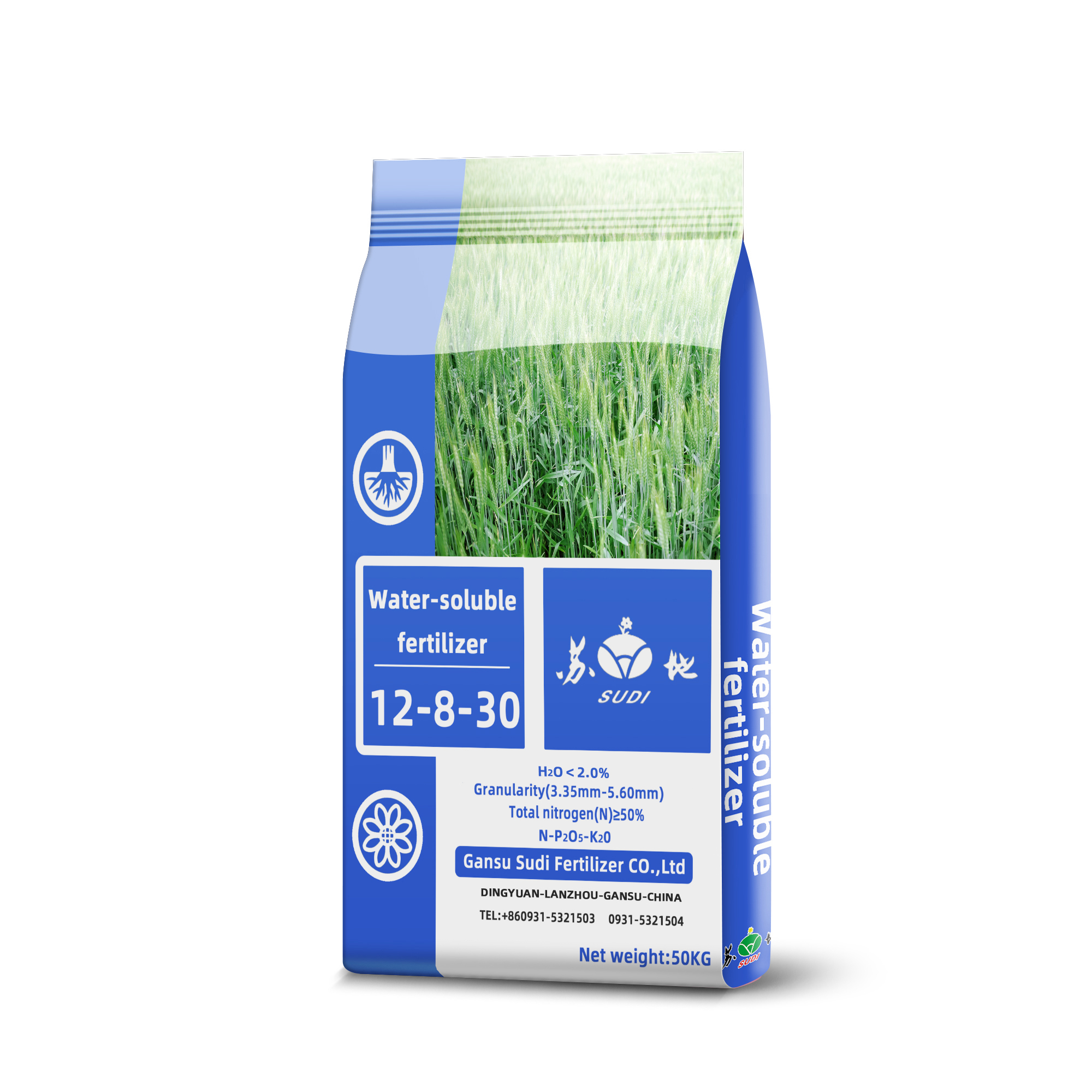
The agricultural sector is experiencing a fundamental transition away from traditional broadcasting methods. Historically, farmers applied solid nutrients mechanically. They relied on unpredictable rainfall or separate irrigation cycles to break down the chemicals. This outdated approach often results in uneven distribution, severe nutrient runoff, and massive labor costs.
The shift toward specialized soluble inputs is driven by raw operational efficiency. Adopting fertigation eliminates the need for heavy tractor passes dedicated solely to fertilization. Consequently, this reduces soil compaction, lowers fuel consumption, and optimizes farm labor allocation across the board.
Furthermore, modern farming faces unprecedented water scarcity. Drip irrigation systems serve as the primary delivery mechanism for fertigation and use significantly less water than flood or sprinkler alternatives. To maximize the return on investment of these expensive irrigation setups, growers must use blends that dissolve completely and rapidly in cold water. This operational reality shifts global procurement strategies, moving bulk purchasing power swiftly toward specialized soluble solutions.
| Feature | Traditional Broadcasting | Precision Fertigation |
|---|---|---|
| Nutrient Delivery | Surface application, delayed uptake | Direct to root zone, immediate uptake |
| Water Usage | Independent of fertilization | Integrated, highly efficient |
| Labor Requirement | High, requires heavy machinery | Low, automated system delivery |
| Input Type | Granular, partially soluble | 100 percent water-soluble |
The market for specialized soluble blends is expanding at a remarkable rate. This correlates directly with the massive global adoption of micro-irrigation systems. Market intelligence reveals a clear industry consensus. Driven by the urgent need for higher crop yields and shrinking arable land, the water-soluble fertilizer sector is projected to experience double-digit growth over the next decade, reaching an estimated USD 28.6 billion by 2032. This growth is supported by a steady compound annual growth rate that easily outpaces traditional commodity segments.
Recent industry analyses highlight a significant pivot driven by climate volatility. With prolonged droughts affecting major breadbaskets globally, water scarcity is no longer a localized issue but an international crisis. Agricultural policies are now heavily incentivizing micro-irrigation and water-saving technologies. This regulatory push creates a domino effect. As more acreage converts to drip systems, the baseline consumption of completely soluble nutrients skyrockets. The era of bulk commodity fertilizers is rapidly making way for specialty, high-efficiency formulations tailored to specific crop phenology.
Market analysts forecast that demand will remain robust well through 2035. The rapid expansion of commercial greenhouse operations and high-value orchard crops fuels this demand globally. Investors and agricultural cooperatives recognize this as a long-term structural change in how agricultural inputs are manufactured, distributed, and applied worldwide.
To understand why precision fertigation reshapes the market, we must examine the agronomic science behind nutrient uptake. Plants absorb nutrients exclusively in ionic form. The input must dissolve in soil moisture before roots can utilize it. Applying solid granules to the soil surface triggers a complex and highly inefficient conversion process. Volatilization causes nitrogen to escape into the atmosphere as ammonia gas. Meanwhile, phosphorus often binds tightly with soil minerals, becoming completely unavailable to the plant.
Precision fertigation bypasses these inefficiencies entirely. Delivering nutrients in a pre-dissolved ionic state directly to the rhizosphere, the soil zone immediately surrounding the roots, increases the absorption rate dramatically. The efficacy of this method relies heavily on the physical and chemical properties of the inputs used. For optimal absorption, nutrients must remain in the soil solution without precipitating or locking up with other elements.
In addition, advanced systems allow farm managers to adjust the electrical conductivity and pH of the nutrient solution in real time. Maintaining the optimal pH range maximizes the bioavailability of both macronutrients and micronutrients. Agronomic studies demonstrate this scientific approach improves nutrient use efficiency by up to thirty percent compared to conventional methods, giving farm managers absolute confidence to invest in premium inputs.
| Application Method | Nitrogen Efficiency | Phosphorus Efficiency | Potassium Efficiency | Risk of Leaching |
|---|---|---|---|---|
| Traditional Broadcasting | 30% - 50% | 10% - 20% | 30% - 40% | High |
| Standard Fertigation | 50% - 70% | 25% - 35% | 50% - 60% | Moderate |
| Precision Fertigation | 80% - 95% | 40% - 60% | 75% - 90% | Minimal |
Note: Efficiency percentages reflect general agronomic averages across various soil types and climatic conditions.
Choosing the right input is critical for system health and crop yield. Nitrogen acts as the primary engine for vegetative growth, driving chlorophyll production and protein synthesis. Managing this element requires careful attention because it is highly mobile in the soil and prone to leaching if over-applied. During the early stages of crop development, rapid and controlled delivery is essential. Integrating a high-nitrogen water-soluble fertilizer allows operators to inject precise concentrations directly into the irrigation line. Free of impurities, these solutions provide an immediate nutritional response, allowing managers to adjust concentrations daily based on tissue testing.
While nitrogen drives above-ground growth, phosphorus is the critical element for root establishment and early flower development. However, it is notoriously immobile in the soil profile. Precision fertigation solves this by moving soluble phosphorus through the soil matrix via irrigation water. Formulations such as 0-52-34 water-soluble fertilizer are heavily utilized during the rooting phase of young transplants. Injecting this exact ratio through the drip lines ensures phosphorus deposits exactly where root hairs can intercept it.
As the season progresses into the late stages of fruit sizing and maturation, crops demand a completely different nutritional profile. To enhance sugar transport, improve fruit color, and bolster disease resistance, a targeted transition is required. The chemical composition of the irrigation water must evolve in perfect tandem with the biological needs of the plant.
Transitioning to advanced irrigation technologies is ultimately a financial decision for commercial growers. The initial capital expenditure required to install dosing pumps and automated control systems can be substantial. Yet, a rigorous cost-benefit analysis from an engineering standpoint demonstrates that the long-term economic advantages consistently outweigh the upfront costs.
The primary driver of price fluctuation in this market is the cost of raw materials, specifically natural gas and mined phosphate rock. Soluble blends require additional refining and purification steps compared to agricultural-grade commodities. Consequently, their baseline manufacturing costs are inherently higher. But the cost per ton is only one part of the economic equation.
Smart buyers evaluate the cost per unit of nutrient absorbed. Because nutrients are applied only when the plant is physiologically capable of absorbing them, the total volume of inputs required per hectare decreases significantly. This efficiency directly offsets the premium prices associated with high-grade formulations. Large-scale farming operations increasingly secure long-term contracts for their essential fertigation inputs to mitigate supply chain disruptions and energy market volatility.
Modern agriculture faces intense scrutiny regarding its environmental footprint. Regulatory bodies worldwide are implementing strict guidelines to protect groundwater quality and reduce agricultural runoff. In this context, precision fertigation serves not just as a yield-enhancing tool, but as a critical compliance mechanism.
Over-applying conventional fertilizers causes excess nutrients, particularly nitrates, to leach through the soil profile and contaminate local aquifers. Precision systems mitigate this risk by practicing spoon-feeding. Delivering only the exact amount of nutrients the plant can consume on a given day leaves virtually no excess in the soil to be washed away by subsequent rains.
Industry associations actively advocate for fertigation as a cornerstone of sustainable agricultural management. Maximizing nutrient use efficiency, lowering the carbon footprint associated with tractor applications, and conserving water resources all align perfectly with global sustainability targets and environmental criteria.
The era of one-size-fits-all agricultural inputs is rapidly ending. As precision technology advances, the demand for tailored nutrient profiles surges. Different crops exhibit vastly different nutritional requirements throughout their phenological stages. For instance, greenhouse tomato nutrient demands differ entirely from those of an almond orchard.
Customization allows agronomists to formulate specific NPK ratios enhanced with targeted micronutrients like zinc, boron, or iron based on local soil analyses. For example, deploying a high-potassium water-soluble fertilizer during the final weeks of a harvest cycle can be precisely calibrated to local water hardness. When a farm manager reviews weekly tissue samples and detects a minor deficiency, a customized soluble blend can be introduced into the irrigation system immediately. This agility corrects the issue within days rather than weeks.
This flexibility enables suppliers to meet the exact specifications required by advanced agricultural operations. It fosters stronger, consultation-based relationships between technical manufacturers and commercial growers.
| Crop Stage | Primary Nutritional Focus | Typical Adjustments in Custom Blends |
|---|---|---|
| Seedling and Transplant | Root Development | Higher Phosphorus, balanced Nitrogen |
| Vegetative Growth | Canopy Expansion | High Nitrogen, moderate Potassium |
| Flowering and Fruit Set | Cell Division and Strength | Calcium, Boron, Phosphorus |
| Fruit Maturation | Sugar Transport and Sizing | High Potassium, reduced Nitrogen |
To function properly in advanced irrigation systems, the nutrient blend must be completely water-soluble and entirely free of impurities. Insoluble fillers found in standard granular products will quickly clog micro-sprinklers and drip emitters. This leads to uneven watering and expensive system repairs.
Delivering dissolved ions directly to the active root zone in small, frequent doses ensures plants absorb the nutrients immediately. This prevents the chemical lock-up, volatilization, and leaching that typically occur when dry products sit on the soil surface.
Absolutely. While the upfront capital required for dosing pumps, sensors, and injection systems is significant, the long-term savings are substantial. Operations typically see a rapid return on investment through drastically reduced fertilizer waste, lower labor and fuel costs, and noticeably higher crop yields.
The primary challenges include the high initial setup cost and the requirement for technical knowledge to operate the dosing equipment correctly. Additionally, using low-quality or incompatible fertilizers can cause severe clogging in the irrigation lines, which is why sourcing high-purity inputs is mandatory.
The frequency depends entirely on the crop type, growth stage, and soil drainage capacity. Many commercial operations practice daily micro-dosing, also known as spoon-feeding, to maintain a constant, optimal nutrient level in the root zone without causing nutrient runoff.
Ultimately, precision fertigation is transforming modern agriculture on a global scale. Maximizing nutrient uptake while simultaneously reducing waste provides a highly sustainable path forward. As market data shows steady growth for soluble inputs, farmers investing in these tailored, high-efficiency systems secure a distinct competitive advantage and ensure long-term profitability.
Are you ready to upgrade your irrigation efficiency and maximize your crop yield? The quality of your inputs determines the success of your entire fertigation system. Evaluate your current soil conditions and crop stages, then choose the right formulations to prevent system clogging and boost nutrient absorption. Visit https://www.sudifertilizer.com to explore our premium range of water-soluble fertilizers and secure the ideal custom blends for your farming operation today.

