
Please Choose Your Language


Views: 0 Author: Site Editor Publish Time: 2025-11-13 Origin: Site


Are you tired of synthetic fertilizers damaging your garden? Organic fertilizers, derived from natural sources, offer a sustainable alternative. They enrich soil health and support plant growth without harming the environment. In this post, you'll learn what organic fertilizer is, its importance, and how often you should use it for optimal results.
Organic fertilizers come from natural sources like plants, animals, or minerals. Common types include:
● Compost: Decomposed organic matter rich in nutrients and beneficial microbes.
● Manure: Animal waste that adds nitrogen and other nutrients.
● Bone meal: Ground animal bones, high in phosphorus.
● Blood meal: Dried blood, a rich nitrogen source.
● Fish emulsion: Liquid fertilizer made from fish byproducts.
● Seaweed extract: Provides trace minerals and growth hormones.
● Green manure: Cover crops grown and then tilled into soil to add nutrients.
Each type releases nutrients at different rates, helping improve soil health and plant growth over time.
Organic fertilizers offer several advantages compared to synthetic ones:
● Slow nutrient release: Nutrients become available gradually, reducing the risk of burning plants.
● Improved soil structure: Organic matter enhances soil aeration, water retention, and root penetration.
● Supports soil life: Encourages beneficial microbes and earthworms that help nutrient cycling.
● Reduced environmental impact: Less risk of nutrient runoff contaminating waterways.
● Long-term fertility: Builds soil health for sustainable plant growth season after season.
Synthetic fertilizers provide quick nutrient boosts but lack these lasting benefits and may harm soil organisms.
Organic fertilizers supply essential nutrients plants need, mainly:
● Nitrogen (N): Promotes leafy, green growth.
● Phosphorus (P): Supports root development and flower formation.
● Potassium (K): Enhances disease resistance and fruit quality.
Besides N-P-K, organic fertilizers often contain secondary nutrients like calcium, magnesium, sulfur, and trace micronutrients such as iron, boron, and manganese. These help plants thrive and maintain overall health.
Soil type plays a major role in how often you should apply organic fertilizer. Different soils hold and release nutrients differently:
● Sandy soils drain quickly and hold fewer nutrients. They usually need more frequent fertilizing—about every 3 to 4 weeks during the growing season—to keep plants nourished.
● Clay soils hold nutrients longer but drain poorly. Fertilizing every 4 to 6 weeks is often enough since nutrients stay available longer.
● Loamy soils balance drainage and nutrient retention well. Fertilizing every 4 weeks generally works best.
● Organic-rich soils already contain plenty of nutrients. You can fertilize less often, maybe every 4 to 6 weeks, or apply smaller amounts more frequently.
Knowing your soil type helps avoid over- or under-fertilizing, which can harm plants or waste resources.
Plants’ nutrient needs change based on species and growth phase:
● Vegetables and annuals often require steady feeding through their active growing season. Fertilizing every 3 to 4 weeks supports leaf, flower, and fruit development.
● Perennials and shrubs usually need less frequent feeding—once or twice a season may suffice.
● Lawns benefit from fertilizing 3 to 4 times during the growing season, spaced about 6 to 8 weeks apart.
● Seedlings and young plants need gentle feeding. Applying fertilizer sparingly every 3 to 4 weeks prevents nutrient burn.
● Flowering or fruiting stages often demand extra nutrients, especially phosphorus and potassium. Increasing frequency slightly during these stages helps maximize blooms and harvests.
Tailoring fertilization to plant type and growth stage ensures they get the right nutrients when most needed.
Climate conditions and seasons influence fertilization timing:
● Cool climates with shorter growing seasons may require fewer fertilizer applications.
● Warm or tropical climates often allow year-round growing, so fertilizing every 3 to 4 weeks is common.
● Rainy seasons can wash nutrients away, necessitating more frequent feeding.
● Dry seasons slow nutrient uptake; applying fertilizer just before rains or irrigation helps.
● Winter or dormant seasons usually call for little to no fertilizing, as plant growth slows or stops.
Adjusting fertilization frequency based on local climate and season keeps plants healthy without wasting fertilizer.
Organic fertilizer is great for vegetable gardens because it feeds plants slowly and improves soil health. For most vegetable gardens, applying organic fertilizer every 3 to 4 weeks during the growing season works well. This timing supports steady growth and helps plants produce more flowers and fruits.
When preparing the soil before planting, mix some organic fertilizer into the top few inches. You can also add a small amount directly into planting holes to give seedlings a good start. After plants are growing, side-dress around them with fertilizer every few weeks to keep nutrients available.
If you notice plants growing slowly or showing pale leaves, it may be time to add more fertilizer. However, avoid over-fertilizing, which can cause excessive leafy growth but fewer fruits. Always follow the product’s recommended rates and adjust based on your garden’s needs.
Lawns benefit from organic fertilizers applied several times per season. Generally, fertilize your lawn 3 to 4 times during the growing season, spacing applications about 6 to 8 weeks apart. Early season fertilizing helps grass establish strong roots, while later applications support thicker, greener turf.
Use slow-release organic fertilizers to provide a steady nutrient supply without overwhelming the grass. If you’re establishing new grass from seed or sod, you may need to fertilize more often to encourage healthy growth.
Avoid fertilizing lawns during hot, dry periods to prevent stress. Instead, time applications before rain or irrigation to help nutrients soak into the soil. Always follow label instructions for the best results.
Fertilizing frequency isn’t one-size-fits-all. It depends on soil type, plant species, and climate conditions.
● Sandy soils need more frequent feeding, about every 3 to 4 weeks, because they drain quickly and lose nutrients.
● Clay soils hold nutrients longer; fertilizing every 4 to 6 weeks usually suffices.
● Loamy soils are balanced and typically do well with monthly applications.
● Organic-rich soils may require less frequent fertilizing or smaller amounts.
Plants in heavy fruiting or flowering stages often need extra feeding. You can increase fertilizer frequency slightly during these times.
Always watch your plants and soil. If growth slows or leaves yellow, it might be time to fertilize. If you see overly lush, dark green growth without flowers or fruit, cut back.
Too much organic fertilizer can harm your plants and soil. Watch for these signs:
● Excessive leafy growth: Plants grow lush, dark green leaves but produce few flowers or fruits.
● Leaf burn or yellowing tips: Fertilizer salts can damage roots, causing leaf edges to brown or yellow.
● Wilting despite moist soil: Over-fertilized roots may struggle to absorb water.
● Stunted or abnormal growth: Nutrient imbalance can stunt growth or cause distorted leaves.
● Increased pest or disease problems: Over-fertilized plants may attract pests or become more vulnerable to diseases.
If you notice these, reduce fertilizing frequency or apply smaller amounts.
Under-fertilizing or poor soil health causes nutrient shortages. Common signs include:
● Yellowing leaves (chlorosis): Often indicates nitrogen deficiency.
● Purplish or reddish leaf edges: May signal phosphorus lack.
● Weak stems or poor flowering: Potassium deficiency can cause this.
● Slow growth or small plants: General lack of nutrients.
● Leaf curling or spotting: Could point to micronutrient shortages.
Regularly check plants for these symptoms to know when to add fertilizer.
Keeping an eye on plant and soil health helps adjust fertilizer use effectively:
● Visual inspections: Look for color, size, and vigor changes.
● Soil testing: Check nutrient levels and pH regularly (at least once a year).
● Growth tracking: Note how plants respond after fertilizing.
● Soil moisture monitoring: Over-fertilizing can affect water uptake.
● Record keeping: Track fertilizing dates, amounts, and plant responses.
Adjust fertilizer amounts and timing based on observations to avoid under- or over-fertilizing.
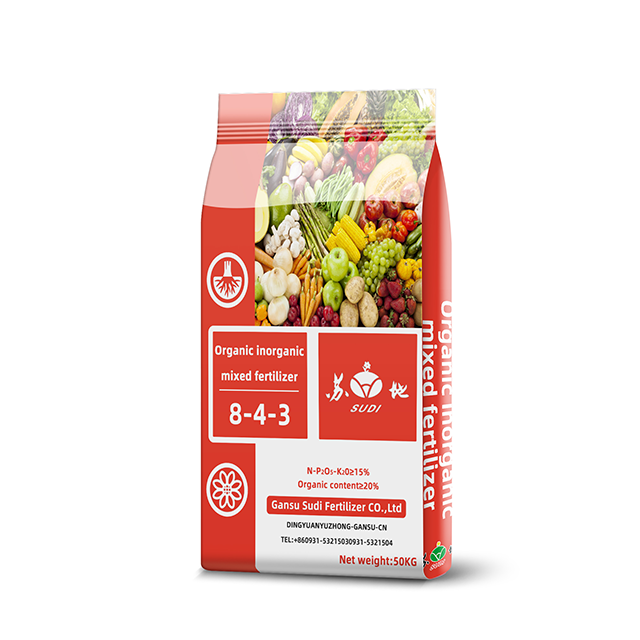
Applying organic fertilizer correctly helps plants absorb nutrients better and prevents waste. Here are some key practices:
● Apply at the right time: Fertilize early in the growing season to support root and leaf growth. Avoid applying during extreme heat or drought, which can stress plants.
● Use the right amount: Follow label instructions carefully. Over-application can harm plants and soil life.
● Incorporate into soil: Mix granular fertilizer into the top few inches of soil. This helps nutrients reach roots faster.
● Water after application: Irrigate lightly after applying fertilizer to help nutrients soak into soil and reduce runoff.
● Avoid direct contact with plants: Keep fertilizer away from stems and leaves to prevent burning or damage.
Even spreading ensures all plants get nutrients and prevents fertilizer burn spots. Consider these tools and methods:
● Hand spreaders: Great for small gardens or flower beds. Use your hand to scatter fertilizer evenly.
● Broadcast spreaders: Ideal for larger lawns or vegetable gardens. Adjust settings for proper application rate.
● Soil injectors or liquid sprayers: For liquid organic fertilizers like fish emulsion or seaweed extracts, use sprayers for uniform coverage.
● Measuring tools: Use measuring cups or scales to apply the right amount and avoid guesswork.
● Rake or hoe: After spreading granular fertilizer, lightly rake it into the soil surface.
Different garden types need tailored fertilizer application:
● Vegetable gardens: Apply fertilizer before planting and side-dress every 3 to 4 weeks during growth. Work fertilizer gently into soil near roots without disturbing plants.
● Flower beds: Fertilize at planting and mid-season. Use slow-release organic fertilizers to feed continuously.
● Lawns: Spread fertilizer evenly using a broadcast spreader. Water after application. Fertilize 3 to 4 times per growing season.
● Container plants: Use liquid organic fertilizers every 2 to 4 weeks. Avoid over-fertilizing since containers hold less soil.
● Newly established plants: Apply fertilizer sparingly to avoid root burn. Gradually increase amounts as plants mature.
Proper application boosts nutrient uptake, encourages healthy growth, and protects the environment by minimizing runoff.
When selecting an organic fertilizer, start by carefully reading the label. The label tells you what nutrients the fertilizer contains and in what amounts. Look for the N-P-K numbers—these show the percentages of nitrogen (N), phosphorus (P), and potassium (K), which are key for plant growth. For example, a label might say 5-4-6, meaning 5% nitrogen, 4% phosphorus, and 6% potassium.
Also, check for certifications like "OMRI Listed," which means the product is approved for organic use. This ensures the fertilizer meets organic standards and is safe for your garden. The label may also list secondary nutrients like calcium or magnesium, and micronutrients such as iron or boron, which can boost plant health.
The N-P-K ratio tells you what nutrients your plants will get. Each number serves a different purpose:
● Nitrogen (N): Promotes leafy, green growth.
● Phosphorus (P): Supports strong roots and flowering.
● Potassium (K): Helps with disease resistance and fruit quality.
A balanced fertilizer has numbers close to each other, like 5-5-5 or 6-4-6. This balance suits most vegetable gardens and flower beds. If you grow plants with special needs, you might choose fertilizers with higher phosphorus for flowering plants or more nitrogen for leafy greens.
Different plants thrive with different nutrient mixes. Here are some tips:
● Vegetables: Use balanced fertilizers with moderate N-P-K ratios. For example, 5-4-6 works well for most veggies.
● Flowering plants: Choose fertilizers higher in phosphorus to encourage blooms, such as 3-8-4.
● Lawns: Prefer fertilizers with more nitrogen to promote lush grass, like 10-0-2.
● Fruit plants: A fertilizer rich in potassium improves fruit size and taste, for example, 4-6-8.
Always consider your soil’s current nutrient levels. If your soil test shows a deficiency, pick a fertilizer that addresses that gap. For instance, if your soil lacks phosphorus, choose a fertilizer with a higher middle number.
Understanding how often to use organic fertilizer depends on soil type, plant needs, and climate. Experiment and observe your garden's response to find the right balance. Sustainable gardening practices, like using organic fertilizers, enhance soil health and plant growth. SUDI offers products that provide slow nutrient release and long-term soil benefits, supporting sustainable gardening practices. Embrace organic fertilizers to nurture your garden while protecting the environment, ensuring a thriving and healthy ecosystem.
A: Organic fertilizer is a natural substance derived from plants, animals, or minerals that provides essential nutrients to improve soil health and plant growth.
A: Apply organic fertilizer to your lawn 3 to 4 times during the growing season, spacing applications about 6 to 8 weeks apart for optimal grass health.
A: Organic fertilizer releases nutrients slowly, improves soil structure, supports beneficial microbes, and reduces environmental impact compared to synthetic fertilizers.
A: Signs like yellowing leaves, slow growth, or poor flowering indicate nutrient deficiency, suggesting it's time to apply more organic fertilizer.

