
Please Choose Your Language


Views: 0 Author: Site Editor Publish Time: 2025-11-10 Origin: Site


Are you wondering how long it takes for organic fertilizer to work its magic on your garden? Organic fertilizers are crucial for sustainable plant growth, as they enrich the soil naturally. In this post, you'll learn what organic fertilizers are, their importance, and how they gradually release nutrients over time, enhancing plant health and soil quality.
Organic fertilizer is a natural substance derived from plant or animal materials used to enrich soil and promote plant growth. It contains essential nutrients like nitrogen, phosphorus, and potassium, but unlike synthetic fertilizers, these nutrients are released slowly as the organic matter decomposes. Common components include:
● Compost
● Manure (cow, horse, poultry)
● Bone meal
● Blood meal
● Fish emulsion
● Seaweed extracts
● Vermicompost(worm castings)
These materials improve soil structure, increase microbial activity, and enhance water retention, leading to healthier plants over time.
The key difference lies in their origin and nutrient release process:
Aspect | Organic Fertilizer | Synthetic Fertilizer |
Source | Derived from natural materials | Manufactured chemically |
Nutrient Release | Slow, depends on microbial breakdown | Fast, nutrients are readily available |
Soil Health Impact | Improves soil structure and microbial life | Can degrade soil health with overuse |
Environmental Effect | Eco-friendly, less risk of runoff pollution | Potential for water contamination and toxicity |
Application Frequency | Less frequent due to slow nutrient release | Often requires regular application for sustained effect |
Organic fertilizers feed the soil and microbes, creating a thriving ecosystem that supports plant health long term. Synthetic fertilizers provide quick nutrient boosts but may harm soil biology if overused.
Organic fertilizers don't work like synthetic ones. They rely on natural processes to release nutrients, so timing varies based on several factors:
● Soil Temperature: Warm soil speeds up microbial activity, breaking down organic matter faster. Cooler soil slows this process. For example, in spring or early summer, organic fertilizers work quicker than in fall or winter.
● Soil Moisture: Microbes need moisture to thrive and decompose organic material. Dry soil can delay nutrient release, while consistent moisture helps nutrients become available sooner.
● Microbial Activity: Healthy soil teeming with microbes accelerates decomposition. If soil is poor or recently treated with chemicals that harm microbes, organic fertilizers take longer to work.
● Soil pH: Optimal pH (usually 6.0 to 7.5) allows better nutrient availability. If pH is too acidic or alkaline, nutrient release slows down.
● Type of Organic Fertilizer: Some organic fertilizers break down faster than others. For instance, fish emulsion releases nutrients quicker than composted manure.
In general, you can expect organic fertilizers to start showing effects within 2 to 6 weeks, depending on these factors.
Synthetic fertilizers deliver nutrients in a form plants can absorb immediately. They often show results in 1 to 5 days. This makes them ideal for quick fixes or rapid greening.
Organic fertilizers, however, nourish the soil ecosystem alongside plants. Their nutrient release is slower but steady, promoting sustainable growth and improved soil health over time.
Aspect | Organic Fertilizer | Synthetic Fertilizer |
Nutrient Release Speed | Slow (2-6 weeks) | Fast (1-5 days) |
Soil Health Impact | Enhances soil structure | May degrade soil biology |
Environmental Impact | Eco-friendly, low runoff | Risk of pollution |
Application Frequency | Less frequent | Often more frequent |
Long-Term Benefits | Builds fertility over time | Primarily short-term boost |
Choosing between organic and synthetic depends on your goals. If you want quick results, synthetic fertilizers work faster. For long-term soil and plant health, organic fertilizers are preferable despite their slower action.
Soil temperature plays a major role in how fast organic fertilizer works. Warm soil speeds up microbial activity, which breaks down organic matter into nutrients plants can use. When soil is cool, microbes slow down, delaying nutrient release. For example, applying organic fertilizer in spring or early summer usually yields faster results than in late fall or winter.
Moisture is equally important. Microbes need water to thrive and decompose organic materials. Dry soil can stall this process, while consistent moisture helps nutrients become available sooner. However, too much water can wash nutrients away before plants absorb them. So, maintaining balanced soil moisture is key for optimal fertilizer effectiveness.
Organic fertilizers depend on soil microbes to convert organic matter into plant-available nutrients. Healthy, active microbial populations speed up this process. If soil has been treated with harsh chemicals or is compacted, microbial life may be low, slowing nutrient release.
Adding compost or microbial inoculants can boost microbial activity. Also, avoiding excessive tilling preserves microbial communities. The more vibrant the soil life, the faster organic fertilizer works.
Soil pH affects nutrient availability and microbial efficiency. Most microbes and plants prefer a pH between 6.0 and 7.5. Outside this range, some nutrients become locked up and unavailable to plants, even if present in the soil.
If soil is too acidic or alkaline, organic fertilizer nutrients break down slower. Testing soil pH before fertilizing helps identify if amendments like lime or sulfur are needed to adjust pH. Correcting soil pH ensures microbes work efficiently and plants absorb nutrients effectively.
Organic fertilizers come in various forms, each with its own nutrient release speed and timeline for visible results. Understanding these types helps set realistic expectations and choose the best option for your garden or farm.
Quick-release organic fertilizers provide nutrients faster than their slow-release counterparts. They break down rapidly, supplying plants with accessible nutrients within days. These fertilizers often come in liquid or finely processed forms, making them ideal when you want a faster boost without turning to synthetic products.
Common examples include:
● Fish Emulsion: Made from fish byproducts, it’s rich in nitrogen and trace minerals. Nutrients become available within 2 to 3 days.
● Seaweed Extracts: Contain micronutrients and growth hormones. Effects can be seen in 3 to 5 days.
● Blood Meal: High in nitrogen, it breaks down quickly, typically within 1 to 2 weeks.
These quick-release options are excellent for giving plants a rapid start or addressing nutrient deficiencies during active growth phases. However, their effects may not last long, requiring more frequent applications.
Slow-release organic fertilizers release nutrients gradually over weeks or months. They rely on soil microbes to decompose the organic matter, making nutrients available steadily and supporting long-term soil health.
Typical examples:
● Compost: Rich in a variety of nutrients and organic matter, it improves soil structure while feeding plants slowly over 4 to 6 weeks or more.
● Manure (cow, horse, poultry): Nutrient release varies but generally takes 3 to 6 weeks depending on composting and soil conditions.
● Bone Meal: High in phosphorus, it breaks down slowly, releasing nutrients over 6 to 8 weeks.
● Vermicompost: Produced by worms, it releases nutrients steadily over several weeks.
These fertilizers are perfect for steady feeding and building soil fertility. They help plants develop strong root systems and improve soil moisture retention and microbial activity.
Fertilizer Type | Typical Release Time | Expected Visible Effects |
Fish Emulsion | 2-3 days | Quick green-up, leaf vigor |
Seaweed Extracts | 3-5 days | Enhanced growth, stress tolerance |
Blood Meal | 1-2 weeks | Rapid nitrogen boost, greener foliage |
Compost | 4-6 weeks | Improved soil texture, gradual growth |
Manure | 3-6 weeks | Long-lasting nutrient supply, soil health |
Bone Meal | 6-8 weeks | Root development, flowering support |
Vermicompost | 4-6 weeks | Balanced nutrient release, soil vitality |
Your choice depends on your plant’s needs and your timeline. For quick greening or a nutrient boost during rapid growth, quick-release organics work well. For long-term soil improvement and steady nutrition, slow-release options are better.
Remember, environmental conditions affect timelines. Warm, moist soil speeds decomposition; cool, dry soil slows it.
Tip: Combine quick-release and slow-release organic fertilizers to get both immediate and sustained nutrient supply for healthier plants and soil.
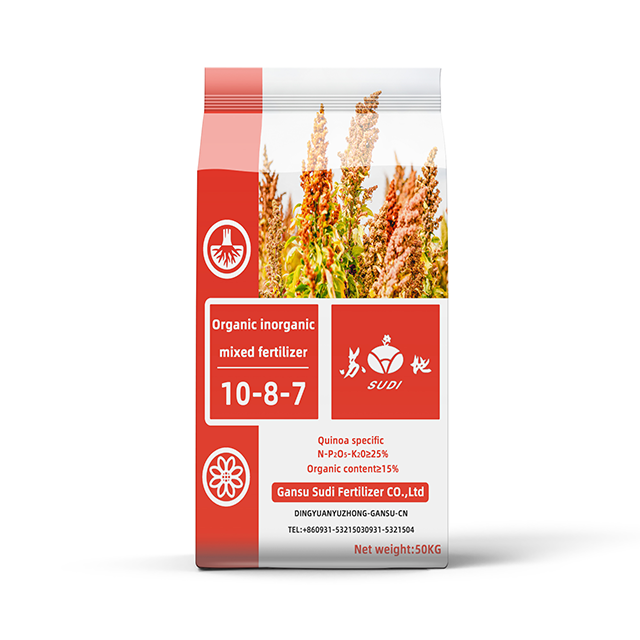
Applying organic fertilizer at the right time makes a big difference. The best moments are during active plant growth periods—usually spring and early summer. Soil temperature should be warm enough to encourage microbial activity, ideally above 50°F (10°C). Avoid applying during extreme heat or drought, as plants may struggle to absorb nutrients, and microbes slow down. Early morning or late afternoon applications reduce nutrient loss from evaporation and help fertilizer settle into the soil.
For lawns, applying organic fertilizer after aeration improves nutrient penetration. In gardens, work the fertilizer into the soil surface to speed decomposition. If you apply before rain, moderate showers can help move nutrients into the root zone. However, heavy rain right after application may wash nutrients away, so check weather forecasts.
Watering plays a crucial role in activating organic fertilizers. After applying granular or compost-based fertilizers, water the area lightly but thoroughly to moisten the soil and start microbial breakdown. For liquid organic fertilizers, follow label instructions on watering; some require watering in, others prefer dry foliage to absorb nutrients better.
Preparing the soil before application enhances fertilizer effectiveness. Remove thick thatch layers or debris that block nutrients from reaching roots. Loosen compacted soil by aerating or lightly tilling to improve oxygen flow and microbial activity. Testing soil moisture helps avoid applying fertilizer on overly dry or saturated soil, both of which hinder nutrient uptake.
Several pitfalls can reduce organic fertilizer benefits:
● Over-application: Applying too much can cause nutrient imbalances, harm microbes, or burn plants. Stick to recommended rates.
● Ignoring soil conditions: Fertilizing when soil is cold, dry, or overly acidic/alkaline delays nutrient release.
● Poor timing: Applying right before heavy rain or drought limits nutrient absorption or causes runoff.
● Not watering properly: Skipping watering after granular application slows decomposition; overwatering can leach nutrients.
● Neglecting soil testing: Without knowing soil pH and nutrient levels, you might apply fertilizer that doesn’t address actual needs.
By avoiding these mistakes, you maximize the benefits of organic fertilizers and support long-term soil health.
One of the first ways to tell if organic fertilizer is working is by observing your plants. Early signs usually appear within 1 to 2 weeks after application, depending on the fertilizer type and soil conditions. Look for:
● Deeper Green Color: Leaves often become richer and darker green as nitrogen becomes available.
● New Growth: You may notice fresh shoots, leaves, or stems emerging more vigorously.
● Improved Leaf Texture: Leaves feel healthier, less brittle or dry.
● Stronger Stems: Plants develop sturdier and more upright stems.
● Enhanced Flowering or Fruit Production: For flowering plants, buds may form earlier or more abundantly.
These visual cues indicate that nutrients are being absorbed and used effectively by plants. However, because organic fertilizers release nutrients slowly, these changes might be subtle at first.
Organic fertilizers don’t just feed plants quickly; they improve soil health over time, leading to sustained growth and resilience. Medium-term benefits (2 to 6 weeks) often include:
● Thicker, Lusher Foliage: Plants fill out, creating fuller canopies.
● Better Root Development: Though unseen, roots grow deeper and more extensive, improving nutrient and water uptake.
● Increased Resistance to Stress: Plants become more tolerant to drought, pests, and diseases.
● Improved Soil Structure: Organic matter enhances soil aeration and moisture retention.
Long-term benefits (months to years) are even more significant:
● Enhanced Soil Fertility: Organic matter builds up, supporting microbial life and nutrient cycling.
● Reduced Need for Chemical Inputs: Healthier soil lessens dependence on synthetic fertilizers and pesticides.
● Sustainable Plant Growth: Plants maintain steady growth and productivity season after season.
Because organic fertilizers nurture the soil ecosystem, the health of your plants improves gradually but steadily. Patience is key — the true power of organic fertilizer lies in building a thriving soil environment that supports plants for the long haul.
Sometimes organic fertilizer seems slow or ineffective. Several common issues might cause this delay:
● Cold Soil Temperature: Microbial activity slows dramatically in cold soil, reducing nutrient breakdown. If you apply fertilizer in late fall or early spring when soil is still cold, expect slower results.
● Insufficient Moisture: Dry soil stalls microbial processes and nutrient movement. Without enough water, organic matter stays intact longer, delaying nutrient availability.
● Poor Microbial Life: Soil treated with harsh chemicals or compacted soil may have fewer microbes to break down organic fertilizer. Without active microbes, nutrients remain locked in organic material.
● Imbalanced Soil pH: If soil is too acidic or alkaline, microbes struggle, and nutrient release slows. Nutrients may also become chemically unavailable to plants.
● Excessive Thatch or Mulch Layers: Thick layers can prevent fertilizer from reaching soil, blocking microbial access and slowing decomposition.
● Over-Application or Incorrect Fertilizer Type: Applying too much organic fertilizer or using very slow-release types might delay visible effects. Nutrients release gradually, so excess can overwhelm microbes or cause nutrient lock.
● Compacted or Poorly Drained Soil: Limited oxygen and water movement reduce microbial activity and nutrient uptake.
To speed up organic fertilizer effectiveness and troubleshoot delays, try these steps:
● Apply During Warm Soil Conditions: Time applications for spring or early summer when soil temperatures rise above 50°F (10°C). Warm soil boosts microbes and nutrient cycling.
● Maintain Consistent Moisture: Water lightly but regularly after applying fertilizer to keep microbes active and help nutrients reach roots. Avoid waterlogging.
● Improve Soil Microbial Health: Add compost or microbial inoculants to boost beneficial microbes. Avoid overusing pesticides or tilling excessively, which harm soil life.
● Test and Correct Soil pH: Conduct soil tests and amend soil with lime (to raise pH) or sulfur (to lower pH) if needed. Aim for a pH between 6.0 and 7.5 for optimal microbial activity.
● Reduce Thatch and Mulch Barriers: Lightly rake or aerate to allow fertilizer contact with soil. Avoid piling mulch too thickly over fertilized areas.
● Use Appropriate Fertilizer Types: Combine quick-release organic fertilizers (like fish emulsion) for faster nutrient availability with slow-release forms (like compost) for sustained feeding.
● Aerate Compacted Soil: Loosen soil to improve air and water penetration, supporting microbes and roots.
● Avoid Over-application: Follow recommended rates to prevent nutrient imbalances and microbial overload.
● Monitor and Adjust: Observe plant response over several weeks and adjust watering, soil amendments, or fertilizer type as needed.
Tip: When organic fertilizer seems slow, test soil temperature, moisture, and pH first—correcting these factors often unlocks faster nutrient release and visible plant growth.
Organic fertilizers release nutrients slowly, depending on factors like soil temperature, moisture, microbial activity, and pH. They enhance soil health by improving structure and microbial life, leading to sustainable growth. Organic fertilizers offer long-term benefits, such as improved soil fertility and reduced chemical input needs. SUDI's organic fertilizers provide a unique value by fostering healthy soil ecosystems that support plant vitality over time. Choosing organic fertilizers ensures a balanced and eco-friendly approach to gardening and farming.
A: Organic fertilizer is a natural substance made from plant or animal materials that enriches soil and promotes plant growth by slowly releasing nutrients like nitrogen, phosphorus, and potassium.
A: Organic fertilizer typically starts showing effects within 2 to 6 weeks, depending on factors like soil temperature, moisture, microbial activity, and the type of fertilizer used.
A: Organic fertilizers improve soil health, enhance microbial activity, and are eco-friendly, offering sustainable long-term benefits compared to the quick but potentially harmful effects of synthetic fertilizers.
A: To speed up organic fertilizer effectiveness, apply it during warm, moist conditions and ensure your soil has active microbial life for faster nutrient release.
A: Signs include deeper green leaves, new growth, improved leaf texture, stronger stems, and enhanced flowering or fruit production, indicating effective nutrient uptake.

