
Please Choose Your Language


Views: 0 Author: Site Editor Publish Time: 2026-09-18 Origin: Site


Applying high-quality biological inputs at the wrong soil temperature wastes your capital. It also severely limits the yield potential of your crops. We see a massive shift toward biological agriculture today. Growers want better nutrient cycling and improved soil health. Yet, many operators remain highly skeptical. They often experience inconsistent field performance. Soil temperature stands out as the most critical environmental variable determining success. Unfortunately, farm operators frequently mismanage it.
Treating living soil biology like conventional synthetic chemicals always leads to failure. Microbes respond directly to their physical environment. They demand specific thermal conditions to thrive. If you ignore these parameters, you risk applying expensive products that simply die in the dirt.
This article provides a concrete framework for evaluating temperature thresholds in your fields. You will learn how to choose climate-resilient formulations. We will also explore actionable strategies to mitigate application risks. By understanding these exact thermal dynamics, you can guarantee a better return on your agronomic investments.
Conventional fertilizers dissolve easily in soil moisture. They rely entirely on basic chemical reactions. Microbes operate completely differently. When you apply a high-quality microbial organic fertilizer, you introduce a living workforce to your fields. They must actively metabolize organic matter. They consume carbon to survive. They release nitrogen, phosphorus, and potassium through cellular respiration. You cannot treat these living organisms like inert salts. They require precise environmental triggers to function.
Temperature acts as the master biological switch. It strictly regulates essential enzyme activity. It also controls microbial respiration rates. When soils become excessively cold, organisms protect themselves. They enter a state of deep dormancy. This preservation mechanism protects them from freezing temperatures. They shut down their metabolic processes almost entirely. They wait patiently for warmer conditions to return. While dormant, they do not die, but they do not provide any agronomic benefit either.
In contrast, mortality occurs during extreme environmental stress. Blistering summer heat destroys vulnerable cellular walls. Extreme soil temperatures denature crucial proteins inside the bacteria. Deep, unprotected freezes can also rupture vegetative cells permanently. When this happens, you lose your entire applied population.
The ultimate criteria for success involve precision timing. Your primary goal is aligning your application window perfectly. You must target the exact moment where soil warmth triggers exponential microbial growth. This rapid multiplication drives active nutrient mineralization. When you synchronize application with optimal thermal conditions, you maximize the biological impact on your crop.
Field operators need concrete parameters to make operational decisions. The physical environment dictates your biological outcomes. We divide soil temperatures into three distinct operational zones. Understanding these thresholds helps you predict how your inputs will perform after application.
Table 1: Microbial Activity Zones Based on Soil Temperature
| Thermal Zone | Temperature Range | Biological Status | Field Application Risk |
|---|---|---|---|
| The Dormant Zone | Below 50°F (10°C) | Very low activity. Microbes remain dormant. | High risk of spring washout before activation occurs. |
| The Optimal Zone | 55°F to 85°F (13°C to 29°C) | Peak enzyme production and rapid multiplication. | Low risk. Highest return on biological investment. |
| The Stress Zone | Above 95°F (35°C) | Rapid decline in survivability. High mortality rate. | Extreme risk. Lethal surface temperatures destroy inputs. |
Below 50°F (10°C), you operate entirely in the Dormant Zone. Biological activity drops to near zero. If you apply a biological product during this time, it simply sits idle. You face a severe risk of nutrient washout. Heavy spring rains can flush your expensive product deep into the soil profile before it ever activates. Between 55°F and 85°F (13°C and 29°C), you enter the Optimal Mineralization Zone. Microbes thrive exceptionally well here. Enzyme production reaches its absolute peak. They reproduce rapidly, mineralizing trapped nutrients efficiently. You secure the highest yield returns in this specific thermal window.
Above 95°F (35°C), you encounter the Stress Zone. Soil moisture evaporates rapidly at these temperatures. Dry, hot dirt becomes an oven. Microbes face immediate mortality risks. Exposing liquid biologicals to bare, sun-baked soil destroys the cellular integrity of the organisms.
We must warn you against accepting universal agricultural claims. Different microbial strains possess completely different thermal tolerances. Generic temperature ranges serve as helpful guidelines, not absolute laws. For example, Bacillus strains handle extreme heat significantly better than Trichoderma fungi. Always evaluate the specific organisms listed on your product label. Adjust your expectations based on their unique biological characteristics.
Product engineering ultimately determines field survival. You cannot control the weather over your fields. You can, however, control what you put into your spray tank. Analyzing your exact microbial organic fertilizer specifications reveals how well a product will endure thermal stress. Choosing the correct formulation guarantees much more consistent yield results.
Bacteria exist in very different biological states. Spore-forming strains, like Bacillus subtilis, develop incredibly tough outer shells. These structures are called endospores. They act as biological armor. Endospores survive freezing winters effortlessly. They endure baking summers without degrading. Once field conditions improve, they germinate quickly and go to work. Vegetative microbes lack this protective shell completely. They exist in an active, highly vulnerable state. A sudden overnight frost or a midday heatwave will kill vegetative cells easily. You must prioritize spore-formers if you farm in volatile climates.
Naked microbes rarely survive harsh field conditions. Premium biological products utilize robust carrier materials to protect them. Humates, biochar, and specialized peat serve as excellent thermal buffers. They absorb excess heat during the day. They release warmth slowly at night. These porous materials also act as moisture sponges. They provide a protective, hydrated micro-environment. Microbes naturally retreat into these complex carbon structures when ambient temperatures spike. This physical barrier prevents mass mortality events.
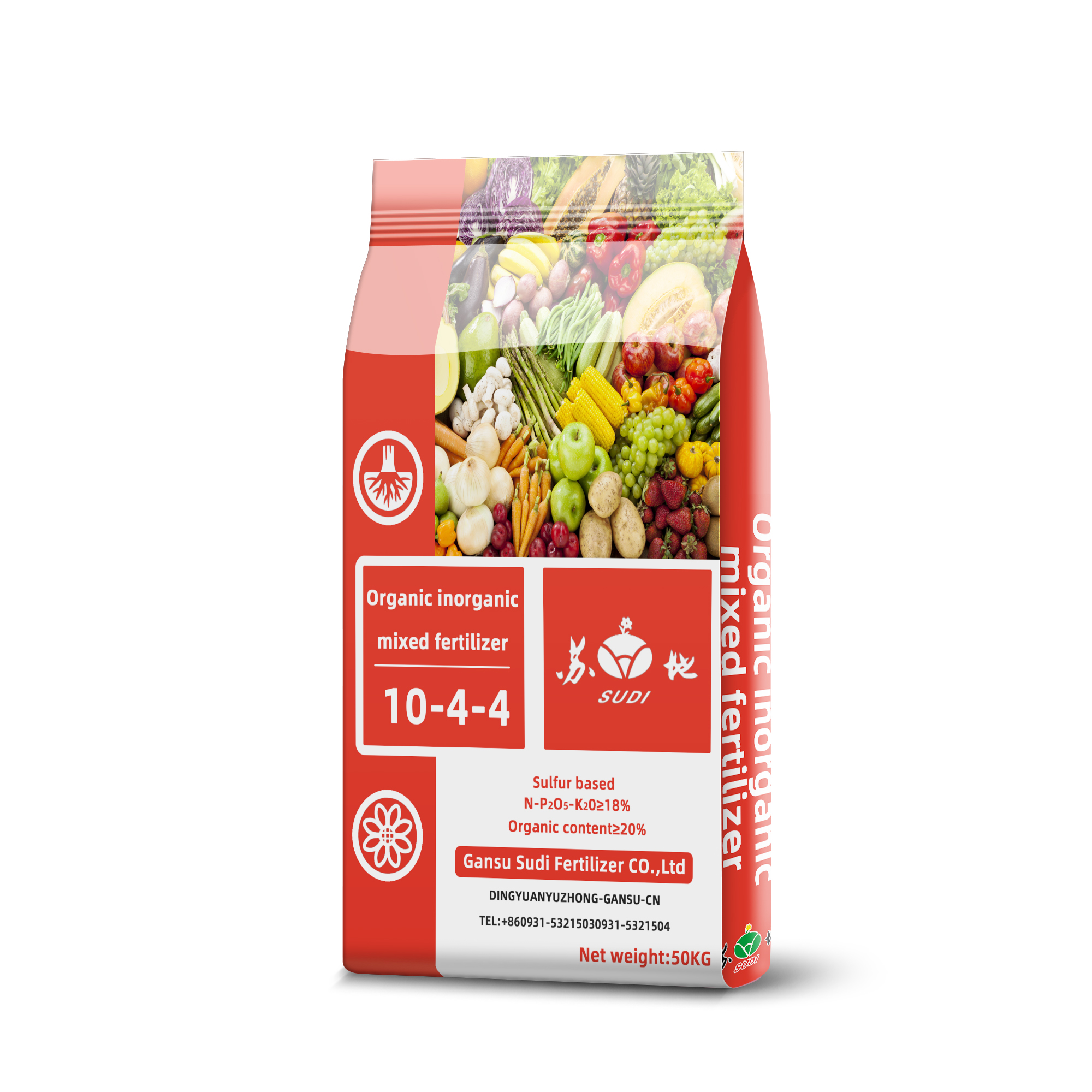
Early spring presents a frustrating biological paradox. Your emerging crops need early nutrition immediately. Yet, cold soils keep helpful microbes entirely dormant. Pure biological products struggle massively in these conditions. We highly recommend using hybrid formulations to bridge this agronomic gap. Applying an organic inorganic fertilizer 10 4 4 offers a strategic early-season advantage. The inorganic fraction dissolves immediately in soil moisture. It delivers readily available nitrogen, phosphorus, and potassium. Your crop feeds instantly, regardless of the temperature. Meanwhile, the organic microbial fraction settles safely into the soil profile. It establishes a baseline population. As the sun finally warms the topsoil, these microbes wake up. They take over the nutrient cycling process seamlessly for the rest of the season.
You spent good capital on high-quality biologicals. Now you must protect that investment during execution. Field realities often destroy perfect laboratory data. Focusing on strict implementation strategies prevents costly failures.
Your manufacturing partner heavily dictates your baseline success. You need a reliable microbial organic fertilizer supplier who deeply understands climate constraints. Marketing claims mean absolutely nothing without independent verification. Use a strict shortlisting logic to evaluate potential partners.
You must protect your operation from bad actors. Walk away immediately from companies that promise universal success. If a sales representative tells you their biology works perfectly at 35°F or 105°F, they are lying to you. Trust suppliers who openly acknowledge environmental limitations. Transparency indicates true scientific integrity. A good partner helps you navigate thermal challenges rather than pretending they do not exist.
Temperature acts as the ultimate governor of microbial fertilizer performance. You cannot force biology to work outside its natural thermal parameters. By understanding the boundaries of dormancy and active mineralization, you protect your crop investments.
Achieving consistent success requires matching the right biological specifications with data-driven field timing. Spore-forming organisms and hybrid nutrient strategies provide robust defenses against climate extremes. Proper execution at the field level ensures those organisms survive to do their jobs.
We encourage you to take immediate action. Review your historical soil temperature data today. Audit your existing fertilizer specifications for thermal resilience. Finally, contact your agronomist to discuss building climate-appropriate formulation strategies for your upcoming season.
A: Freezing impacts products differently based on their biological state. During storage, freezing temperatures can rupture the cellular walls of liquid vegetative microbes, causing permanent mortality. However, in field applications, the soil matrix acts as a thermal insulator. While frost severely limits active metabolism and forces organisms into deep dormancy, well-adapted endospores easily survive winter freezes and reactivate rapidly when the ground thaws.
A: Early spring soils rarely reach the minimum 55°F threshold required for robust biological activity. Pure microbial products cannot mineralize enough nitrogen in these cold conditions, leaving young crops starved. The inorganic component of a hybrid blend dissolves instantly, feeding the crop immediately. This effectively bridges the early growth gap while the organic fraction builds a resilient microbial population for warmer weather.
A: Always demand independent data from your supplier. Look directly at the formulation tags for spore-forming bacteria like Bacillus, which offer superior thermal endurance. Ask your manufacturer to provide third-party shelf-life testing and explicitly defined thermal stability parameters. If they only present optimal-condition CFU counts without addressing heat or cold stress, look for a much more transparent manufacturing partner.

