
Please Choose Your Language


Views: 0 Author: Site Editor Publish Time: 2026-09-15 Origin: Site


Procuring specific agricultural inputs requires aligning your agronomic needs directly alongside harsh manufacturing realities. Requesting a non-standard physical size severely impacts production scheduling, equipment setup, and raw material curing. Buyers often finalize their ideal agronomic formulas before realizing the physical consequences. They fail to see how specific physical sizing requests drastically inflate Minimum Order Quantities (MOQs). They also ignore how custom sizes extend vital delivery lead times. This disconnect creates dangerous supply chain bottlenecks. It risks missing critical seasonal application windows for vulnerable crops. We created this comprehensive guide to provide procurement teams and large-scale agricultural buyers a highly realistic forecasting framework. You will learn how to accurately project MOQs and calculate complex lead times based on physical parameters. You will discover proven ways to negotiate effectively with manufacturers. By understanding factory-floor mechanical constraints, you can confidently secure the right products on time. Managing these operational variables protects your margins and guarantees field-level application success.
Standard vs. Custom Realities: Standard sizes (typically 2-4mm) offer the lowest MOQs and fastest lead times. Micro-granules or strictly calibrated sizes often require custom production runs, drastically increasing baseline MOQs.
Production Downtime dictates MOQ: Adjusting granulation screens and rotary equipment requires factory downtime, meaning suppliers will only run custom sizes for high-volume orders.
Formulation Impacts Curing Time: Complex blends, such as sulfur-based compound fertilizers, require specific temperature controls and drying times that compound the lead time of custom sizing.
Supplier Vetting is Critical: A reliable manufacturer must provide verifiable tolerance documentation (e.g., 90% of product fits the requested mm range) before an order is placed.
Changing the physical footprint of agricultural nutrients is not a simple switch on a control panel. It demands total mechanical overhauls on the factory floor. Operators must physically replace heavy granulator screens inside the processing towers. They recalibrate rotary drum speeds to achieve different tumbling dynamics. They must adjust liquid binder ratios to ensure proper chemical adhesion. We see these physical changes directly impact the fertilizer granule size specifications during active manufacturing runs. Using binders like lignosulfonates or specialized clays requires precise moisture balancing.
Equipment downtime acts as the primary cost driver here. Switching a production line from a standard 3mm average down to a precise 1.5mm micro-granule halts the factory floor entirely. Manufacturers lose extremely valuable manufacturing hours during this complex changeover. Suppliers offset this severe efficiency loss by demanding much higher MOQs. They must run the machines longer to recover the lost setup time financially.
Understanding the fundamental difference between pan granulators and rotary drum granulators helps clarify these costs. Pan granulators spin material on an angled disc, allowing for very tight size control but offering lower hourly throughput. Rotary drums handle massive capacities but produce a much wider size spectrum. If your supplier uses a rotary drum, demanding a custom micro-granule means they must screen out and recycle up to sixty percent of the raw material. This constant recycling loop creates extreme energy inefficiencies.
Tighter size tolerances also introduce complex yield and waste factors into your pricing model. Demanding 95% uniformity instead of the standard 85-90% creates very high rejection rates. The screening process actively filters out more out-of-spec material. Factories must recycle this rejected dust back into the hopper continually. They need significantly more raw material and electrical energy to produce your final target volume.
Common mistakes we observe in the field include:
Assuming industrial granulators can switch sizes mid-shift without halting the production line.
Ignoring the extra mechanical recycling time required for tight size tolerances.
Failing to account for binder ratio adjustments which artificially slow the drying phase.
Expecting pilot-scale lab runs to perfectly match massive commercial yield metrics.
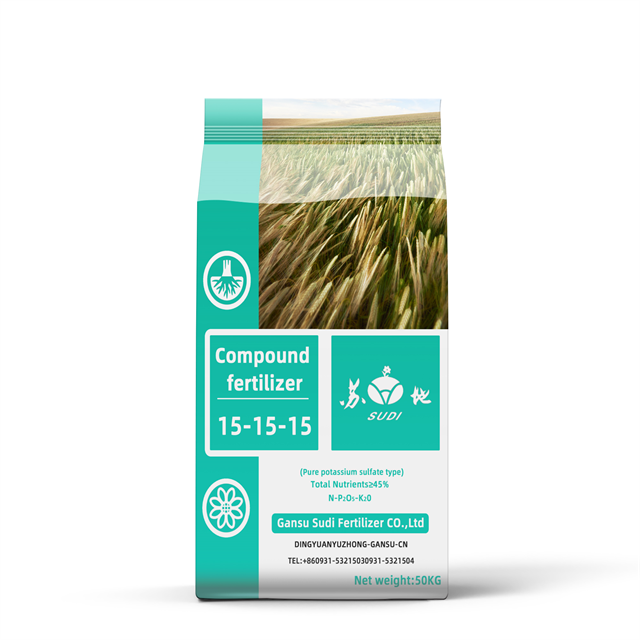
Navigating procurement logistics begins by understanding baseline order thresholds. Standard granular sizes usually fall between 2-4mm or 2-5mm. For baseline agricultural applications, sourcing a standard compound fertilizer keeps order minimums highly manageable. You can typically secure these standard sizes starting at just one Full Container Load (FCL). This roughly equals 20 to 25 Metric Tons (MT) depending on packaging. Standardizing your request aligns your order beautifully alongside continuous factory runs, minimizing disruptions.
Custom size thresholds paint a radically different picture for buyers. Micro-granules measuring 0.5-1.5mm heavily dominate turf management, golf courses, and precision agriculture. Conversely, oversized granules support deep-root forestry applications or aerial drone drops. These custom requests push baseline MOQs to 100-200 MT minimums easily. Suppliers mandate these massive volumes because dedicated production runs consume immense factory resources. You are essentially buying exclusive machine time rather than just buying chemicals.
To communicate physical requirements accurately, the global industry uses the Size Guide Number (SGN) framework. SGN represents the median millimeter diameter of the granules multiplied by one hundred. For example, a 2.5mm average size translates perfectly to an SGN of 250. We highly recommend using SGN scores on all commercial purchase orders. This commercial standard eliminates vague descriptive language entirely. It prevents dangerous misinterpretations leading to wrong volume deliveries or unspreadable material.
Typical MOQ Projections by Application Type
Application Profile | Physical Range (mm) | Industry SGN Range | Expected Minimum Order (MT) |
|---|---|---|---|
Precision Turf / Greens | 0.5 - 1.5 | SGN 90 - 150 | 100 - 200 |
Standard Broadacre | 2.0 - 4.0 | SGN 200 - 280 | 20 - 25 |
Pasture / Rough Blend | 3.0 - 5.0 | SGN 300 - 350 | 50 - 100 |
Forestry / Aerial Drop | 5.0 - 8.0 | SGN 500+ | 150 - 250 |
Physical screening processes do not solely dictate your final delivery schedule. Lead times heavily depend on the core chemical makeup flowing through the drum. Raw material dependencies significantly alter how long a batch takes to cure safely. You must actively evaluate the chemical stability required for the final product. Different nutrient salts react uniquely inside the granulation equipment, demanding customized handling procedures.
Consider a specific real-world scenario from our experience. When ordering compound fertilizer 15 15 15 sulfur, the manufacturing dynamic changes drastically. The inclusion of elemental sulfur requires specialized, stringent temperature controls. Factories must cool the mixture carefully below 40°C before initiating the bagging process. This cooling phase prevents severe fire hazards during transit. This careful thermal management ensures long-term structural granule stability. It inherently adds distinct processing time and extends resting durations in the curing bays. You absolutely cannot rush this cooling phase safely.
The curing phase cannot be accelerated artificially without compromising structural crush strength. Granules leaving the rotary drum remain hot and extremely fragile. They must transition slowly through rotary coolers. If operators push the cooling air velocity too high to save time, granules inevitably fracture. Fractured dust creates massive bridging issues in field spreaders later. Therefore, mandated patience during the factory curing phase directly guarantees your field performance.
Seasonality and queuing create another massive lead time variable. Fertilizer production operates on heavy, predictable seasonal cycles globally. Buyers placing a custom size order in Q1 enter the absolute peak production season. You may see lead time extensions jump from a standard 14–21 days up to an agonizing 45–60 days. This severe delay happens simply due to massive production backlogs across the entire supply chain. Always factor factory queuing into your agronomic calendar early. Delaying your initial purchase order by just one week can push final delivery back by three weeks.
Field execution constraints must firmly guide your entire procurement strategy. A common field-level risk involves completely ignoring spreader equipment limitations. You might order a high-volume MOQ of a specific fertilizer granule size based purely on laboratory theories. Later, operators discover it bridges tightly in the hopper. It flows poorly through existing broadcast spreaders. We heavily advise testing a small pilot batch through your actual application equipment first. Drop spreaders handle delicate micro-granules beautifully, but spinning broadcast spreaders require denser, larger particles for wide distribution.
Buyers also face significant inventory holding risks when placing large orders. You must balance the highly attractive cost per ton of a larger custom MOQ against harsh physical storage realities. Warehousing excess volume incurs direct financial holding costs monthly. It also introduces severe physical degradation risks over multiple changing seasons. Products often suffer from rapid caking under pressure. They possess highly hygroscopic traits, absorbing ambient moisture quickly from humid air. These issues destroy the very size uniformity you paid a premium to secure initially. Clumped, wet inventory becomes useless in the field.
Cost vs. Precision: Standard vs. Custom Strategy Chart
Strategic Metric | Standard Sizes (2-4mm) | Custom Sizes (Micro/Macro) |
|---|---|---|
Lead Time Volatility | Low (Predictable scheduling) | High (Subject to machine availability) |
Holding Risk (Caking) | Moderate | High (Finer granules absorb moisture faster) |
Spreader Compatibility | Universal | Requires specialized calibration |
Cost Premium per MT | Baseline | +15% to +40% |
To mitigate these severe risks effectively, explore phased delivery options aggressively. We highly suggest negotiating structured "make-and-hold" contracts. These agreements allow you to meet high custom MOQs to trigger factory production immediately. However, you completely avoid taking immediate delivery of the entire massive volume. The factory securely stores the balance in climate-controlled silos. They ship it incrementally based on your exact application schedule. This strategy protects precious cash flow and guarantees product integrity upon arrival.
Vetting your manufacturing partners rigorously prevents costly agricultural disasters. Verification of core capabilities remains the most critical first step. You must understand not all blenders function as actual chemical granulators. Many companies simply buy bulk finished materials and run them through rudimentary shaking screens. Ensure your chosen fertilizer granule size supplier operates heavy primary granulation equipment. True granulators control the actual chemical binding, heating, and shaping process directly. They do not just re-sieve finished goods manufactured by someone else.
The Uniformity Index (UI) measures the relative size of particles within your shipment accurately. A UI of 50 means the smallest granules measure roughly half the size of the largest ones. A higher UI always indicates a much more uniform product. Demanding a UI above 60 often triggers custom MOQ pricing automatically because the factory must discard more marginal sizes. Always ask suppliers to specify their baseline UI guarantees before signing binding contracts.
Quality control transparency separates reliable partners from risky, transient vendors. A credible supplier eagerly provides a detailed Certificate of Analysis (CoA) for every single batch produced. This essential document must include specific, verifiable physical properties. Look for verified hardness ratings indicating robust crush strength under load. Ensure they list exact moisture content percentages. The CoA must also feature a comprehensive sieve analysis verifying the precise size distribution curve.
Use this specific audit checklist for your internal procurement teams:
Do they explicitly guarantee a specific Uniformity Index (UI) inside the commercial contract?
What is their financial and logistical policy for handling unexpected out-of-spec deliveries?
Can they provide verified historical lead-time adherence data during peak agricultural seasons?
Do they manage their own curing and cooling bays on site, or outsource it?
Will they supply a third-party laboratory analysis upon request to verify the internal CoA?
Securing the perfect nutrient profile requires balancing lofty agronomic ideals directly against stubborn factory floor realities. Understanding the mechanical limits of granulation equipment helps buyers accurately forecast costs and prevent severe delays. Tighter physical specifications inevitably drive up Minimum Order Quantities and extend seasonal lead times significantly. Complex chemical blends demand careful thermal management, stretching schedules further. You cannot divorce theoretical chemical formulations from physical manufacturing constraints.
Take these action-oriented next steps to protect your supply chain immediately. First, audit your current field spreader equipment thoroughly. Define the widest acceptable SGN range you can effectively broadcast across your fields without bridging. Second, request baseline standard quotes alongside custom MOQ estimates from your shortlisted manufacturers. Finally, run a comprehensive cost-benefit analysis internally. Compare standard factory efficiency against custom agronomic precision before finalizing your seasonal procurement plan. This proactive approach secures vital inventory without breaking budgets.
A: Micro-granules require finer screening and much longer processing times to achieve stable crush strength. This intense calibration reduces overall factory throughput significantly. Manufacturers mandate larger orders to financially justify halting regular production lines for these dedicated custom runs.
A: To prevent severe segregation during transport and field application, all components in a dry blend should share a similar SGN. We recommend keeping sizes within 10 points of each other. Ordering mismatched sizes consistently leads to uneven nutrient distribution across the soil profile.
A: Yes. Most reputable manufacturers eagerly provide small lab-scale samples. These allow you to physically verify crush strength, moisture, and general appearance. However, pilot-plant runs generating enough volume for actual field spreader testing often require a small R&D fee to cover machine setup costs.
A: Yes. Manufacturing sulfur-enhanced agricultural formulas requires strict thermal management protocols. Suppliers must implement longer cooling phases to prevent fire hazards and ensure structural stability. These mandatory safety steps safely extend the overall production schedule by several days.

