
Please Choose Your Language


Views: 0 Author: Site Editor Publish Time: 2026-10-20 Origin: Site


Global agricultural demand is rising fast. Executing a flawless international delivery, however, remains a highly complex endeavor. Shipping multi-ton crop nutrients involves navigating strict customs rules. Catastrophic cargo damage happens all too frequently without proper handling. For B2B buyers, importers, and agricultural distributors, managing these shipments presents significant operational hurdles.
Current industry trends point to a massive shift toward digitalized supply chains and hyper-strict environmental compliance. Global ports are rapidly adopting automated screening systems. These systems instantly flag shipments lacking precise documentation or failing to meet updated ecological standards, specifically regarding heavy metal limits. Furthermore, global supply chain volatility forces modern commercial buyers to operate under tighter timelines. They now demand absolute regulatory transparency and zero-delay logistics.
In this comprehensive guide, you will learn exactly how to succeed in the cross-border trade of agricultural inputs. We cover the critical nuances of packaging, documentation, labeling, and shipping steps to ensure the safe, on-time, and compliant delivery of your cargo. Ultimately, when procuring bulk fertilizer on a global scale, partnering with an experienced manufacturer is the strongest defense against logistical failures.
Key Takeaways
The international export process for agricultural chemicals faces far heavier regulation than standard consumer goods. This heightened scrutiny stems from their unique chemical properties, their direct impact on national food security, and stringent environmental protection standards. Customs authorities and port officials globally enforce rigorous compliance measures. Their primary goal is to prevent chemical contamination, illicit use, and ecological hazards during maritime transport.
A minor oversight in moisture control or a single misclassified Harmonized System code can compromise an entire shipment. Therefore, your supply chain reliability is just as critical as the chemical composition of the product itself. Buyers must prioritize suppliers who deeply understand the granular details of cross-border chemical logistics. This proactive approach ensures the product arrives legally and ready for immediate agricultural application.
Protecting the physical and chemical integrity of agricultural nutrients during long ocean transits begins with industrial-grade packaging. As cargo moves from a manufacturing facility to an overseas distribution center, it faces fluctuating temperatures, intense oceanic humidity, and severe mechanical stress.
When transporting massive volumes of agricultural chemicals, exporters generally choose between break bulk shipping and containerized shipping. Break bulk involves pouring loose product directly into the hold of a cargo ship. Containerized shipping utilizes Flexible Intermediate Bulk Containers, commonly known as FIBCs or jumbo bags.
While break bulk can reduce initial packaging costs for massive shipments, it exposes the product to severe moisture risks. It also requires highly specialized port infrastructure for unloading. Conversely, packaging the product into 50kg bags and bundling them into 1-ton jumbo bags offers superior protection. Picture a port crane lifting a poorly secured load over a turbulent harbor. Jumbo bags provide the tensile strength needed to prevent thousands of dollars of product from spilling into the ocean. They allow for standardized container stuffing, easier forklift handling at destination ports, and significantly reduced product loss.
Fertilizers are inherently hygroscopic. They actively absorb moisture from the surrounding air. If exposed to oceanic humidity during transit, the granules will dissolve and fuse together into a solid block. This caking process renders the shipment commercially useless because mechanical spreaders cannot process solid blocks of chemicals.
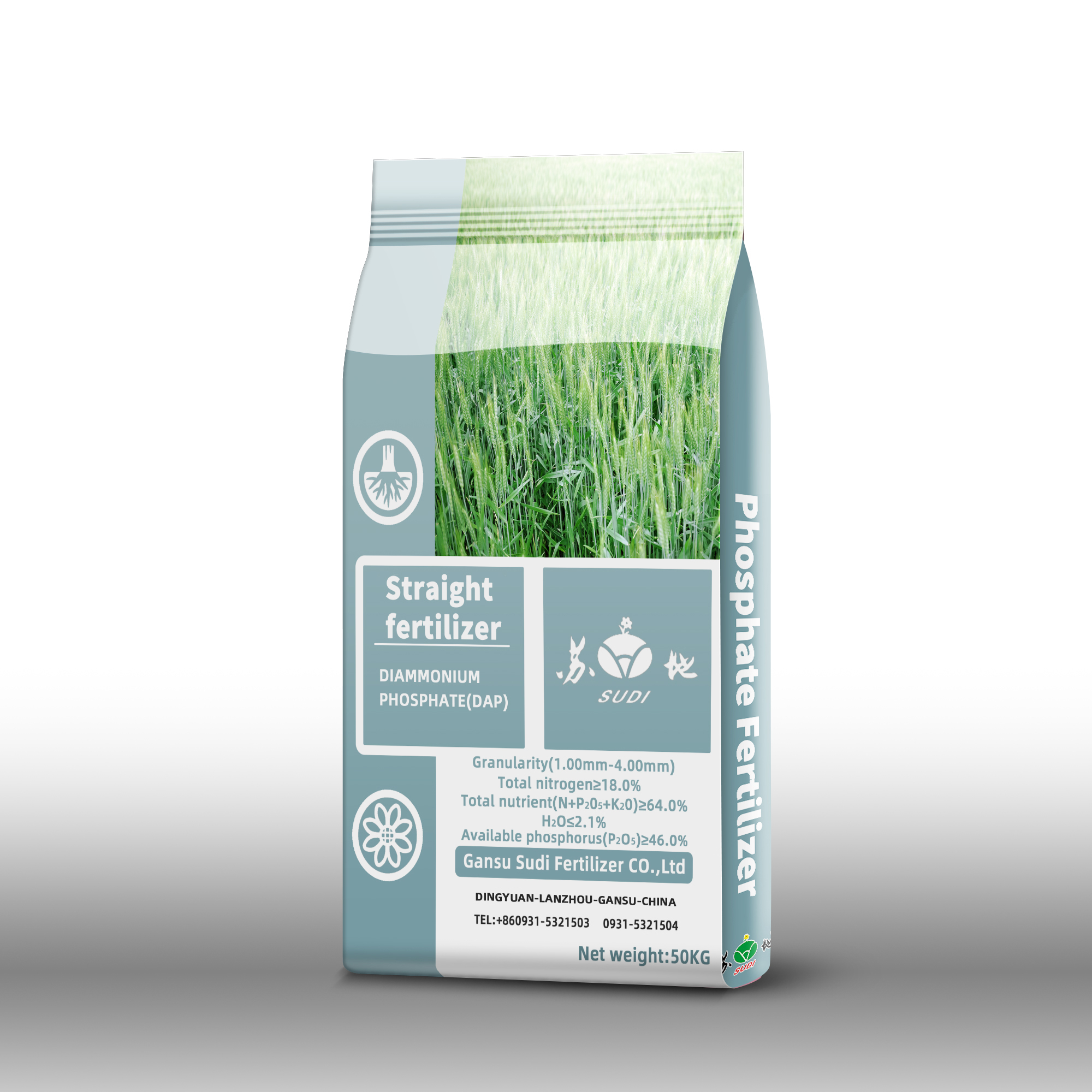
To solve this, specific chemical compositions require highly engineered packaging solutions. For instance, exporting 64% DAP fertilizer, specifically the 64-18-46 Diammonium Phosphate yellow variant known for its high bulk density, requires exceptionally durable packaging. We mandate UV-stabilized woven polypropylene outer bags to withstand the physical stress of high stacking and crane lifting without tearing. High-nitrogen products demand high-density polyethylene inner liners sealed tightly within the outer bags. This creates an impermeable moisture barrier crucial for timely delivery and product efficacy.
| Packaging Method | Best Suited For | Moisture Resistance | Handling Efficiency |
|---|---|---|---|
| Break Bulk | Orders over 10,000 MT | Very Low | Requires specialized port vacuums |
| 50kg WPP Bags | Local retail distribution | Medium | Labor-intensive manual loading |
| 1-Ton Jumbo Bags with PE Liners | Exporting DAP and Urea globally | Excellent | Fast forklift and crane transfer |
International trade depends entirely on accurate documentation. Customs officials do not inspect the physical cargo first. They inspect the paperwork. Discrepancies between the physical shipment and the documentation will trigger immediate port holds.
The Commercial Invoice is the foundational financial document. It details the transaction value, parties involved, and the agreed shipping terms. Furthermore, the Export Packing List must perfectly mirror the invoice while providing granular logistical data. Imagine a customs officer in a busy terminal reviewing a manifest. If the Harmonized System code is off by a single digit, the container gets quarantined. Critical fields include precise net and gross weights, batch numbers for traceability, and total cubic meter volume.
The Certificate of Analysis serves as the scientific proof of product quality. Issued by the manufacturer laboratory or a third-party testing facility, this certificate verifies the exact chemical breakdown. For example, an importer relies heavily on this document to prove to their local agricultural ministry that the nitrogen content in their 46% granular urea meets the declared threshold and strict biuret limits.
Additionally, the Certificate of Origin certifies the country where the goods were manufactured. This document is vital for the buyer. It directly dictates the import tariff rates applied by their local customs authority under various international free trade agreements.
The Material Safety Data Sheet outlines the chemical properties, handling hazards, and emergency response procedures for the cargo. Port authorities, vessel captains, and freight forwarders require this sheet to determine safe stowage locations on the ship. While many synthetic nutrients do not require a Phytosanitary Certificate, some destination countries still mandate it to confirm the product remains free from biological contaminants.
Labeling is far more than a branding exercise. It is a strict legal requirement governed by international maritime law and destination country agricultural regulations. Improper labeling remains a leading cause of cargo detention at international borders.
Before a shipment leaves the factory, it must be classified under the Globally Harmonized System and the International Maritime Dangerous Goods Code. Products like ammonium nitrate are strictly classified as hazardous materials, known as Hazmat, due to explosive risks. Standard agricultural inputs, however, are generally classified as non-hazardous for marine transport. Yet, non-hazardous does not mean unregulated. The packaging must clearly state its non-hazardous status to prevent unnecessary delays during port safety inspections.
To avoid customs rejections, every bag must feature clear, indelible labeling. This applies to both the individual 50kg bags and the exterior jumbo bags. Mandatory label elements typically include:
In addition, multi-language labeling is often mandated. If the destination country primary language is not English, the labels must be bilingual. This ensures local dockworkers and end-users can safely read the handling instructions.
The physical movement of multi-ton agricultural chemicals requires strategic planning. You must select the right maritime contracts and ensure the cargo is physically secured for rough sea transit.
International Commercial Terms define exactly when the risk and cost transfer from the seller to the buyer. For bulk agricultural shipments, three terms dominate the landscape. Free on Board means the seller clears the goods for export and loads them onto the vessel chosen by the buyer. The buyer assumes all risk and marine freight costs from that point forward, offering maximum control over shipping logistics. Cost and Freight means the seller pays for the ocean freight to bring the goods to the destination port, but the risk transfers to the buyer the moment the goods are loaded onto the ship. Cost, Insurance, and Freight is similar to the previous term, but the seller is also obligated to purchase marine insurance against the buyer risk of loss or damage during carriage.
Preparing cargo for international shipping requires meticulous attention to detail. When stevedores stuff containers with 1-ton jumbo bags, the weight must be evenly distributed across the container floorboards. This prevents structural damage during crane lifting. Workers must secure the bags with heavy-duty dunnage and strapping to prevent shifting during turbulent sea conditions. Shifting cargo can destabilize a vessel or cause bags to rupture, leading to massive product loss.
To establish trust and verify compliance, commercial buyers frequently mandate pre-shipment inspections. Independent, internationally recognized inspection agencies are dispatched to the factory or loading port. These agencies conduct random sampling to verify the chemical composition. They ensure the packaging meets export standards and tally the exact quantity being loaded. The resulting certificate provides the buyer with objective evidence that their order has been fulfilled accurately.
Even experienced importers face severe logistical bottlenecks if they ignore standard operating procedures. Recognizing common pitfalls is the first step in proactive risk mitigation.
A single typographical error on a Bill of Lading, such as a misspelled company name or an incorrect tariff code, can stall a multi-ton shipment at customs for weeks. This delay accrues daily demurrage and detention charges at the port.
Sourcing from suppliers located far inland without established rail or highway freight networks introduces high domestic transport costs and delays. Efficient exports rely on manufacturers with direct, streamlined access to major international shipping ports.
Every national Ministry of Agriculture enforces specific regulations regarding heavy metal limits like Cadmium or Lead. Buyers must cross-reference the manufacturer laboratory results with their local import quotas and environmental standards before placing an order. Failing to do so can result in outright cargo confiscation.
In the B2B agricultural chemical sector, the structure of your supply chain dictates your operational efficiency. Purchasing through third-party trading companies often introduces unnecessary markups, communication delays, and a lack of direct accountability regarding product quality.
A seamless export process begins on the factory floor. Direct manufacturers possess the infrastructure required to fulfill large-scale bulk orders consistently. High production capacity ensures that vessel loading schedules are met without delay. Furthermore, direct manufacturers implement stringent, in-house quality control protocols at every stage of synthesis and granulation. They utilize automated weighing systems that guarantee exact tonnage and secure moisture sealing.
Working with a direct manufacturer consolidates the supply chain. A capable factory handles the entire process from raw material synthesis and custom bagging to port transportation and export customs clearance. This end-to-end oversight eliminates the friction caused by multiple middlemen. It ensures that documentation is generated accurately at the source and that any logistical challenges are resolved immediately by the engineering team that knows the product best.
A compliant export requires a Commercial Invoice, a clean Bill of Lading, a detailed Export Packing List, a Certificate of Origin, a Certificate of Analysis, and a Material Safety Data Sheet. Depending on the destination country agricultural regulations, a Phytosanitary Certificate or specific health declaration may also be required by local customs.
Generally, standard granular urea is classified as a non-hazardous material for maritime transport under international maritime codes. However, it still requires an accurate safety data sheet to clear port safety checks. It must also be packed in moisture-proof liners to prevent degradation and caking during transit.
For international shipping, this high-density product is most commonly exported in 50kg woven polypropylene bags with polyethylene inner liners. To facilitate efficient forklift and crane handling at commercial ports, these 50kg bags are often bundled into 1-ton jumbo bags or heavy-duty lifting slings.
The timeline varies significantly based on factory production schedules, vessel availability, and the destination port distance. Typically, the entire process takes between two to six weeks from the moment of order confirmation and payment clearing to the actual sailing of the vessel.
Yes. Reputable manufacturers actively encourage and welcome pre-shipment inspections. Buyers routinely hire internationally recognized bodies to conduct independent testing at the port or factory. This confirms product quality, chemical composition, and exact quantity before departure.
Customs officials and port health inspectors strictly monitor cargo integrity. If they detect severe moisture damage, caking, or leaking bags, they can quarantine the container. Damaged goods pose environmental runoff risks at the port, leading to immediate rejection, hefty fines, and forced disposal at the buyer expense.
For orders under 10,000 metric tons, containerized shipping using 1-ton jumbo bags with moisture-proof liners is the most cost-effective and secure method. It prevents product loss, bypasses the need for specialized bulk-handling port vacuums, and ensures the chemical integrity of the yellow granules remains intact upon arrival.
Navigating the complexities of global chemical logistics requires a partner equipped with both manufacturing excellence and deep export expertise. Whether you need customized moisture-proof packaging or precise documentation for stringent customs clearance, choosing the right supplier eliminates costly delays. Explore our full range of high-performance agricultural inputs and secure your next shipment by visiting Sudi Fertilizer today. Let our engineering and logistics teams optimize your supply chain from the factory floor to your destination port.

